Indian Curry Health Estimator
Your Results
Select options and click calculate to see your nutritional breakdown.
Walking into an Indian restaurant often feels like stepping into a culinary paradise. The aromas of cumin, coriander, and garam masala hit you before you even see the menu. But then comes the dilemma. You want that rich, comforting flavor, but you also want to keep your health goals intact. Is it possible to enjoy authentic Indian cuisine without loading up on heavy cream or excessive oil? Absolutely.
The secret lies in understanding what makes a dish "heavy" versus "light." Most people assume all curries are creamy and calorie-dense, but traditional Indian cooking relies heavily on lentils, vegetables, and lean proteins cooked in tomato-onion bases or yogurt sauces. By knowing which dishes prioritize nutrition over richness, you can order with confidence. This guide breaks down the healthiest options available on most menus, explaining why they work and how to customize them for maximum benefit.
Why Some Curries Are Heavier Than Others
To make smart choices, you first need to understand the building blocks of Indian curries. The main culprits behind high calorie counts are usually ghee (clarified butter), cream, and coconut milk. While these ingredients add incredible depth and texture, they also significantly boost fat content. A standard Butter Chicken, for example, is delicious but typically contains around 600-800 calories per serving due to its heavy cream base.
In contrast, healthier curries rely on different foundations. Look for dishes that use:
- Tomato-onion bases: These provide acidity and body without added fat.
- Yogurt (Dahi): Used in moderation, it adds protein and tanginess with fewer calories than cream.
- Lentils and legumes: High in fiber and plant-based protein, keeping you full longer.
- Lean proteins: Chicken breast, fish, or tofu instead of fatty cuts of lamb or beef.
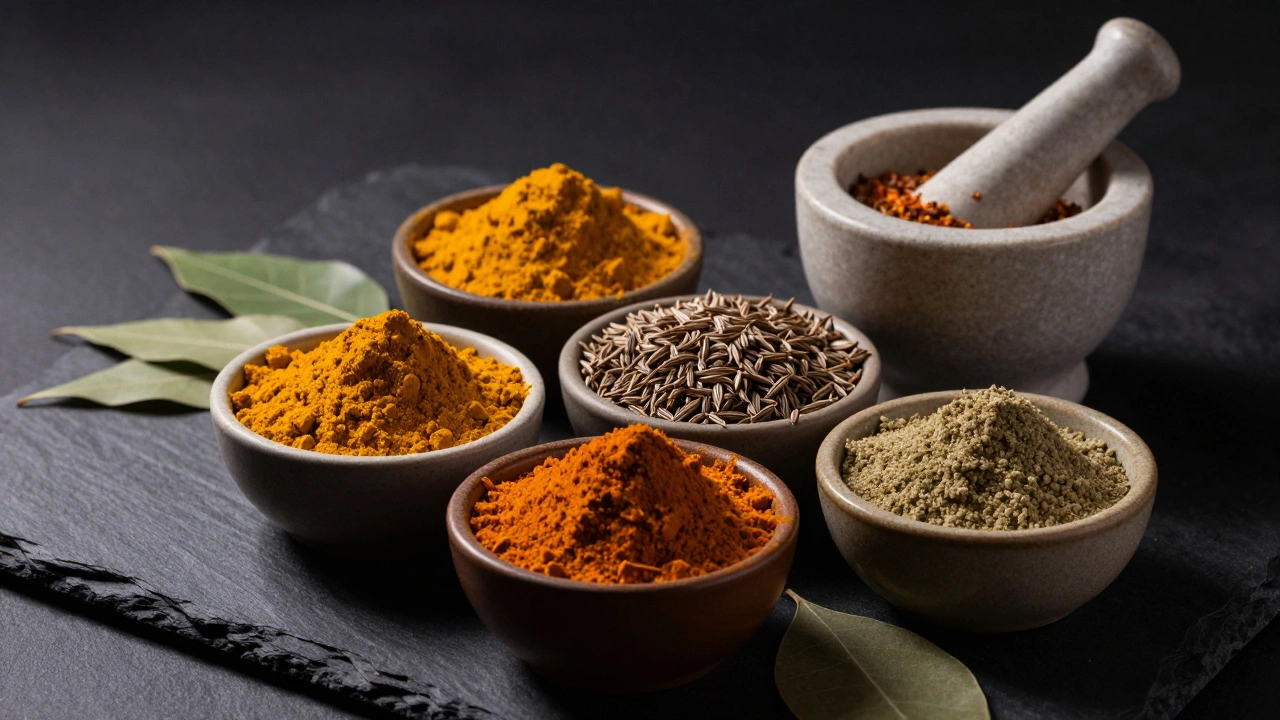
Understanding these components helps you navigate the menu. Instead of avoiding curry entirely, you simply shift your focus from "creamy" to "aromatic." Spices like turmeric, cumin, and fenugreek pack massive flavor punches without adding any calories. They also offer anti-inflammatory benefits, making them functional foods rather than just seasoning agents.
Top Vegetarian Choices for Light Eating
If you’re looking to minimize calories while maximizing nutrients, vegetarian curries are your best friend. Indian cuisine has a long tradition of plant-based cooking, driven by cultural and religious practices. Here are the top contenders:
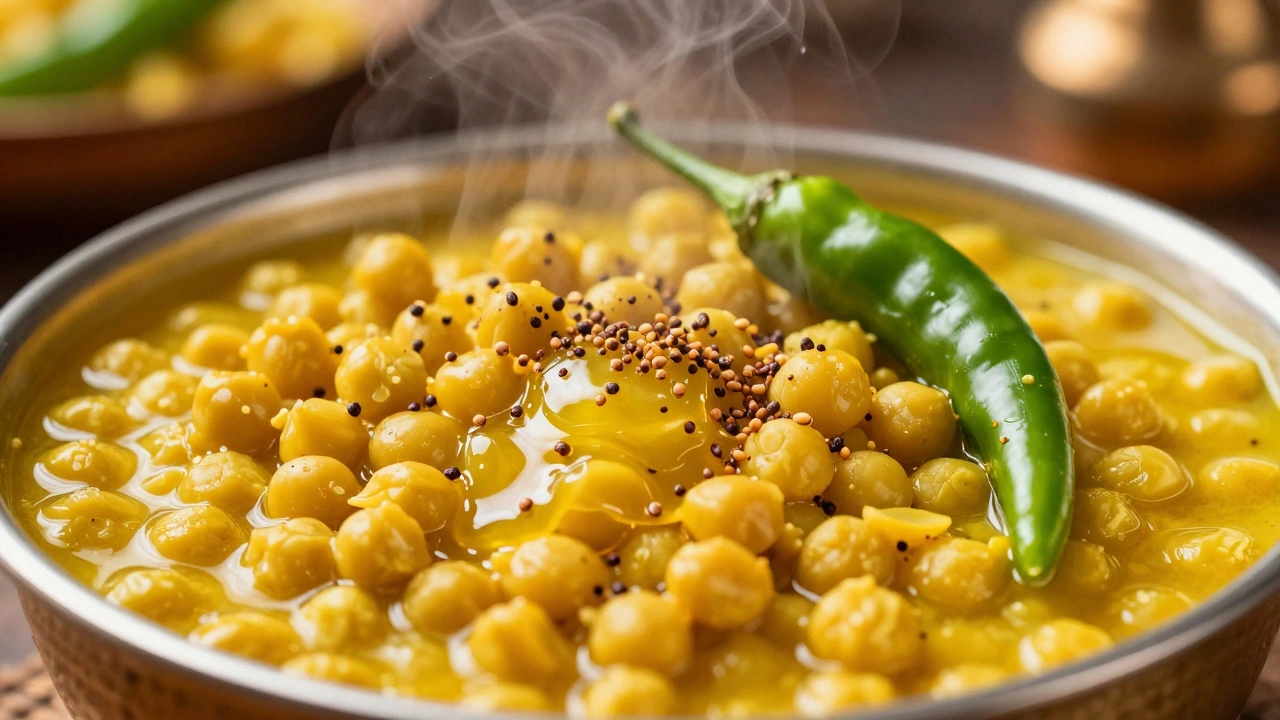
Dal Tadka is perhaps the ultimate healthy curry. It consists of yellow split peas (toor dal) simmered until soft and mushy, then tempered with a small amount of ghee, mustard seeds, cumin, and garlic. A typical serving provides about 300 calories, packed with 15-20 grams of protein and significant fiber. The key here is the preparation method. Unlike stir-fries that soak up oil, dal absorbs minimal fat because the tempering is poured over the top at the end. Ask for it to be served with brown rice or a single piece of whole wheat naan to balance your blood sugar.
Saag Paneer might sound indulgent due to the cheese, but it’s actually quite nutritious if ordered correctly. Saag refers to spinach or mixed greens, which are incredibly dense in iron, calcium, and vitamins A and K. Paneer is a fresh cottage cheese that offers casein protein. The health trap here is the cream often added to bind the sauce. When ordering, request "no cream" or "light cream." The spinach itself will create a thick, vibrant green sauce that doesn’t need dairy to feel satisfying. One cup of saag alone contains nearly 100% of your daily vitamin C needs.
Aloo Gobi is a classic combination of potatoes and cauliflower. While potatoes are starchy, cauliflower acts as a low-carb filler, reducing the overall glycemic load of the dish. This curry is usually dry-cooked, meaning very little liquid or oil is used. It’s a great option if you prefer textured, chunky vegetables over soupy sauces. Just be mindful of portion sizes regarding the potato chunks, as they are energy-dense.
Best Protein-Rich Options for Muscle and Satiety
If you need more protein to support muscle maintenance or keep hunger at bay, lean meat and fish curries are excellent choices. The trick is selecting dishes that don’t mask the protein in heavy gravies.
Chicken Tikka Masala is famous worldwide, but it’s often misunderstood. The "Tikka" part refers to marinated chicken pieces grilled in a tandoor oven. The "Masala" is the sauce it’s served in. To make this healthy, ask for "extra tikka, less sauce." The chicken itself is marinated in yogurt and spices, making it tender and flavorful without frying. By reducing the creamy tomato sauce, you cut the calorie count by half while still getting the iconic taste. Opt for boneless, skinless chicken breast portions if possible.
Fish Curry, particularly varieties like Prawn Curry or white fish in a coconut-tomato base, is exceptionally light. Fish is easily digestible and rich in omega-3 fatty acids, which support heart and brain health. Coastal Indian cuisines, such as Goan or Kerala styles, often use coconut milk, which can be high in saturated fat. However, many restaurants now offer lighter versions using water or stock instead. Always specify "light coconut" or "no coconut" if you’re watching your fat intake. The spices used-often including curry leaves and mustard seeds-aid digestion and reduce bloating.
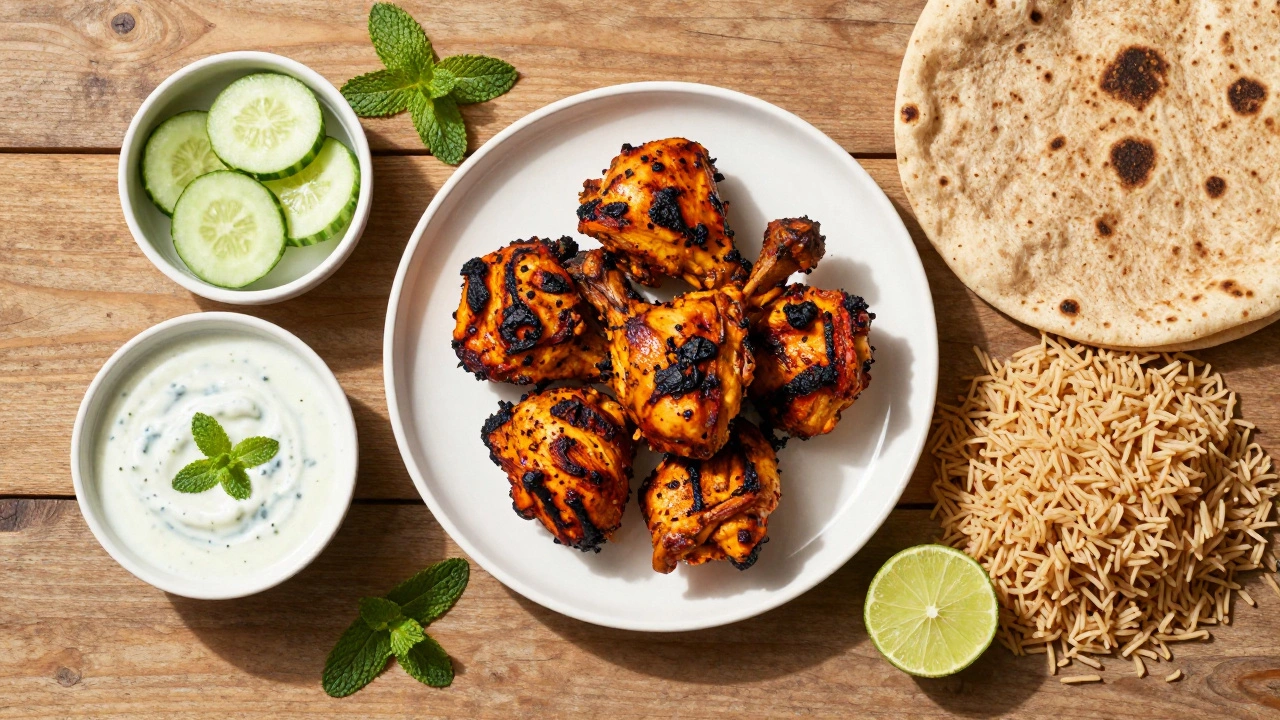
Tandoori Chicken isn’t technically a curry, but it’s often served alongside one. Since it’s baked in a clay oven without added oil, it’s one of the cleanest protein sources on the menu. Pair it with a side of cucumber raita (yogurt dip) instead of a heavy gravy, and you have a complete, balanced meal under 400 calories.
Carbohydrates: Choosing Your Base Wisely
No Indian meal is complete without carbs, but not all carbs are created equal. White rice and refined flour naan spike blood sugar quickly, leading to energy crashes later. Smart swaps can transform your meal from a carb-heavy bomb to a sustained-energy fuel source.
| Item | Calories (per serving) | Fiber Content | Glycemic Impact | Health Verdict |
|---|---|---|---|---|
| White Basmati Rice | ~200 kcal | Low (0.5g) | High | Limit portion size |
| Brown Basmati Rice | ~190 kcal | Medium (2.5g) | Medium | Excellent choice |
| Whole Wheat Naan | ~250 kcal | Medium (3g) | Medium-High | Good, but watch oil |
| Roti / Chapati | ~120 kcal | Medium (2g) | Medium | Best option |
| Quinoa Pulao | ~180 kcal | High (4g) | Low | Premium healthy pick |
Roti or Chapati are thin, unleavened flatbreads made from whole wheat flour and water. They contain no oil or ghee in their preparation (unless brushed on after baking, which you can ask to skip). One roti has roughly half the calories of a naan and provides steady energy release. If your restaurant offers Millet Roti or Jowar Roti, grab it immediately. Millets are ancient grains with superior mineral profiles and lower gluten content, making them easier to digest for many people.
Quinoa Pulao is becoming common in modern Indian restaurants. Quinoa is a complete protein, containing all nine essential amino acids. It’s naturally gluten-free and has a lower glycemic index than rice. If available, this is the gold standard for a side dish. If not, stick to brown basmati rice and ask for a smaller portion to control carbohydrate intake.
Smart Ordering Strategies for Any Menu
Even the healthiest dish can become unhealthy if prepared incorrectly. Restaurants often use generous amounts of oil for texture and shine. Here’s how to hack the menu:
Ask for "Less Oil": This is the single most effective request you can make. Chefs appreciate specificity. Saying "please prepare this with minimal oil" signals that you care about the nutritional profile. Many kitchens will drain excess oil from the bottom of the pot before plating if asked.
Customize the Sauce: Creamy sauces like Korma or Malai are delicious but calorie-dense. Ask for a "dry" version or a "gravy-light" option. For example, a dry vegetable korma uses nuts and seeds for thickness rather than cream, offering healthy fats instead of saturated ones.
Watch the Garnishes: Fried onions, cashews, and almonds are tasty but add hidden calories. Request fresh cilantro, mint, or green chilies as garnishes instead. These herbs add freshness and antioxidants without the caloric burden.
Share Portions: Indian curries are meant to be shared. Ordering one large curry and splitting it with a companion allows you to sample multiple flavors while controlling portion sizes. Pair each bite with a forkful of salad or raita to stretch the meal and improve digestion.
Foods to Avoid When Prioritizing Health
Knowing what to avoid is just as important as knowing what to order. Certain dishes are notoriously difficult to eat in moderation due to their addictive nature and high calorie density.
Samosas and Pakoras: These deep-fried snacks are essentially dough filled with spiced potatoes or onions, dipped in batter, and submerged in hot oil. One samosa can contain 300+ calories with negligible nutritional value. If you crave crunch, opt for Vegetable Spring Rolls (if steamed) or a side of roasted chickpeas.
Kebabs: Not all kebabs are created equal. Seek out Tandoori Kebabs or Seekh Kebabs made with lean meat. Avoid Golgappa or fried dumplings. Also, beware of "paneer tikka" if it’s soaked in heavy marinades; plain grilled paneer is better.
Naan Varieties: Garlic Naan, Butter Naan, and Cheese Naan are loaded with refined flour, butter, and sometimes cream. Stick to plain Roti or skip bread altogether in favor of extra lentils or vegetables.
Rich Desserts: Gulab Jamun, Jalebi, and Rasgulla are essentially sugar and fat bombs. If you must have dessert, choose Gulab Jamun made with khoya (milk solids) sparingly, or better yet, opt for fresh fruit like mango slices or a small bowl of Kheer made with skimmed milk and jaggery instead of refined sugar.
Is Indian food generally healthy?
Traditional Indian food is highly nutritious due to its emphasis on lentils, vegetables, and spices with anti-inflammatory properties. However, restaurant versions often add excess oil, cream, and salt. By choosing lighter preparations like Dal, Tandoori items, and vegetable curries, you can maintain a healthy diet while enjoying the cuisine.
What is the lowest calorie Indian curry?
Dal Tadka and clear vegetable soups like Shorba are among the lowest calorie options, often ranging between 200-300 calories per serving. They are high in fiber and protein, promoting satiety without the heavy fat content found in creamy sauces.
Can I eat naan on a weight loss diet?
Yes, but in moderation. Plain Roti or Chapati is a much better alternative as it contains fewer calories and more fiber than naan. If you do order naan, share it with someone or limit yourself to half a piece, pairing it with a high-protein curry to balance the macronutrients.
Are Indian spices good for health?
Absolutely. Turmeric contains curcumin, a powerful anti-inflammatory compound. Cumin aids digestion and boosts iron absorption. Fenugreek helps regulate blood sugar levels. These spices add zero calories while providing significant medicinal benefits, making Indian cuisine functionally healthy.
How can I make restaurant Indian food healthier?
Request "less oil" and "no cream" when ordering. Choose grilled or tandoori proteins over fried ones. Swap white rice for brown rice or quinoa. Replace naan with roti or skip bread entirely. Finally, drink water or herbal tea instead of sugary lassi or sodas to avoid hidden calories.