Soft Chapatis: How to Make Fluffy, Indian Bread Every Time
When you think of soft chapatis, a simple, unleavened Indian flatbread made from whole wheat flour, water, and a pinch of salt. Also known as roti, it's the daily bread across households in North India—simple, but the difference between good and great comes down to technique, not ingredients. Most people blame the flour or the tawa, but the real issue? It’s how they handle the dough and heat. You don’t need fancy equipment. You don’t need to be a chef. You just need to understand what makes chapati puff up and stay soft.
There’s a direct link between whole wheat flour, the primary ingredient in traditional chapatis, known for its high fiber and nutty flavor and how well the dough holds moisture. If your flour is too coarse or you skip resting the dough, you’ll end up with tough, dry bread. And then there’s the rolling technique, the way you flatten the dough ball before cooking, which determines thickness and even cooking. Too thick? It stays doughy inside. Too thin? It burns before it puffs. The sweet spot is about 6 inches across, evenly rolled, with just enough pressure to keep it pliable.
Heat matters too. A tawa that’s too hot chars the outside before steam builds inside. Too cool, and the chapati just sits there, soaking up oil and turning leathery. The ideal temp is medium—enough to set the surface quickly but let the trapped steam do the work. That’s why your grandma always said, "Wait for the first bubble," then flip. And don’t press it down with the spatula. Let it puff on its own. That puff? That’s the sign of a perfect soft chapati.
What you see in the posts below isn’t just recipes—it’s a collection of fixes. People asked why their roti won’t puff. Why their chapatis get hard by lunchtime. Why store-bought ones taste better. The answers aren’t secret spices or special gadgets. They’re small, repeatable habits: how long to rest the dough, whether to add a splash of oil, how to store them so they stay soft for hours. You’ll find real fixes here—not theory, not fluff. Just what works, tested in home kitchens across India.
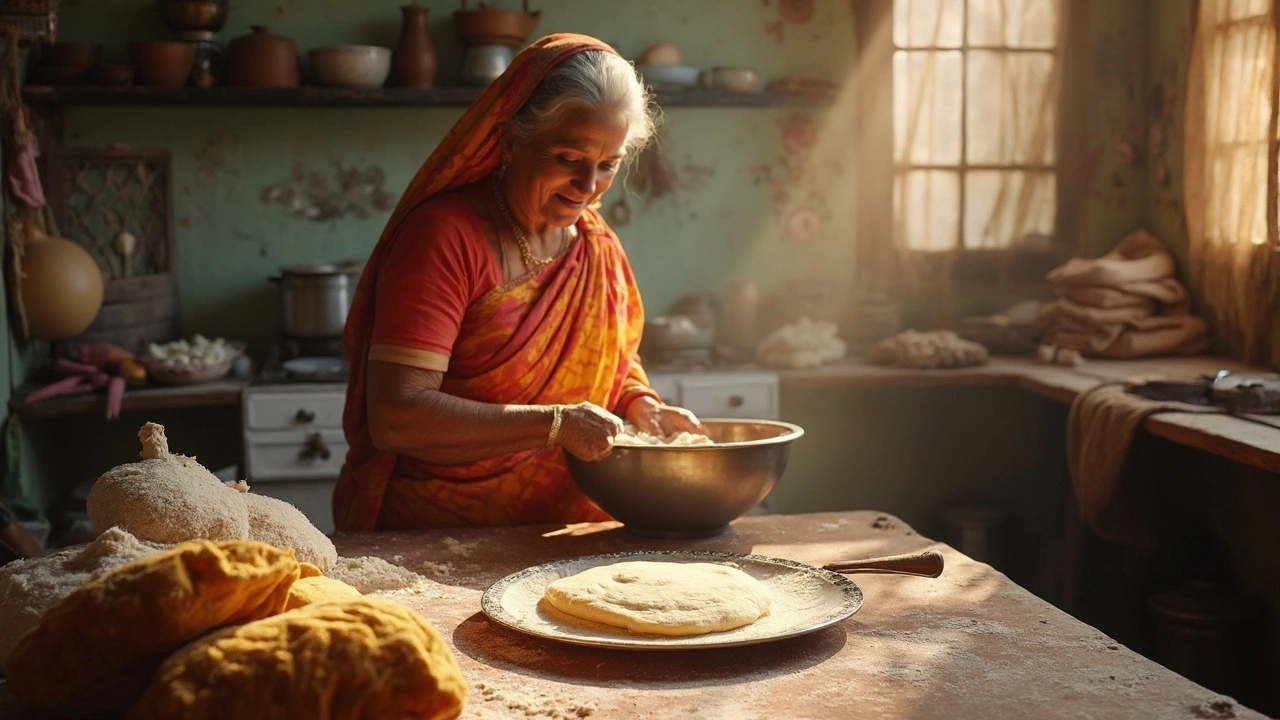
Soft Chapatis: The Secret to Perfect Roti Every Time
Ever wondered why some chapatis are soft and puff up just right, while others turn out dry and tough? This article breaks down the real secrets behind getting perfectly soft chapatis, from flour choice to kneading tricks. Get practical steps and insights that actually work in a home kitchen, and clear up common roti myths. No guesswork, just real advice you can use today. Making soft chapatis isn’t as complicated as people make it sound—here’s what you need to know.