Safe to Eat Dosa Batter: How to Tell If Your Batter Is Fresh and Safe
When you make dosa batter, a fermented mix of rice and lentils used to make crispy South Indian crepes. Also known as fermented rice batter, it’s a living food—full of good bacteria that help it rise and develop flavor. But that same fermentation can turn risky if left too long or stored wrong. The question isn’t just can you eat it? It’s should you?
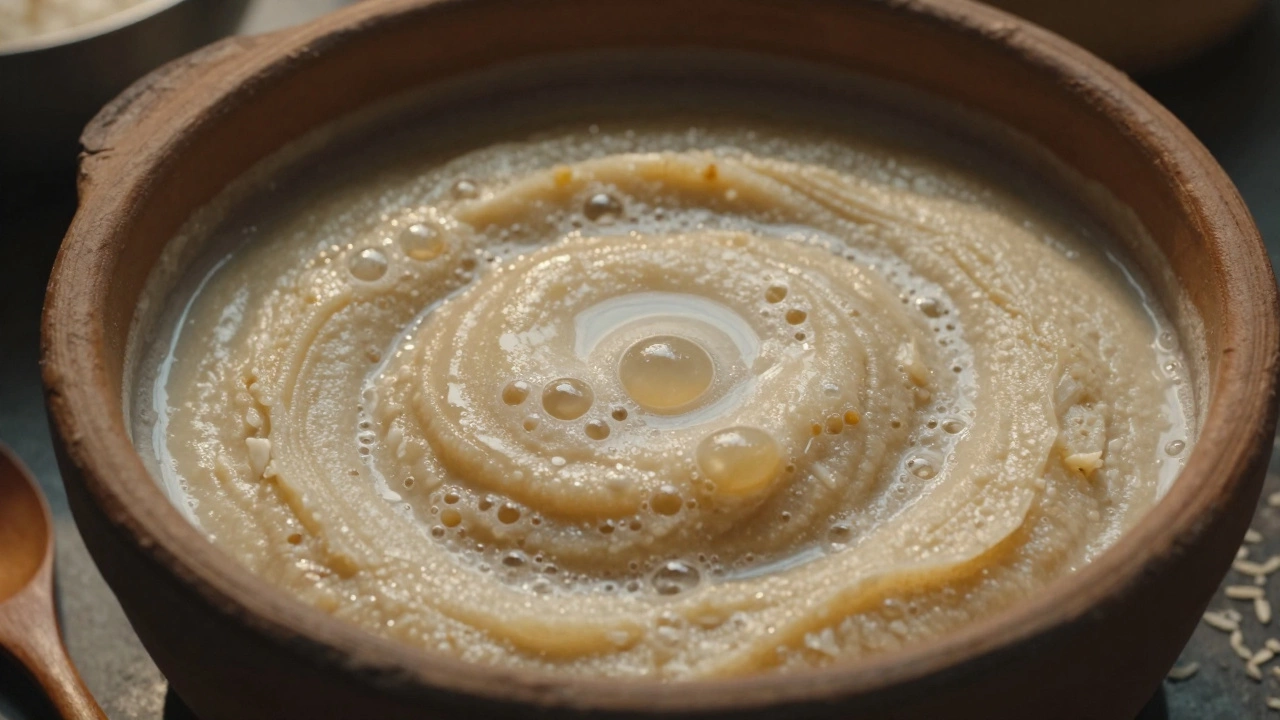
Good dosa batter smells slightly sour, like yogurt or sourdough—clean and tangy, not rotten. It should bubble gently when stirred and rise to about double its volume in 8–12 hours, depending on heat. If it smells like alcohol, vinegar, or worse—like old socks or sewage—it’s spoiled. Mold? Any green, black, or fuzzy spots? Pitch it. No exceptions. You don’t need to be a scientist to tell the difference. Your nose and eyes are your best tools.
Temperature matters. In cold weather, fermentation slows. In hot climates, it races. If you live somewhere warm, your batter might be ready in 6 hours. In winter, leave it overnight near a warm stove or in a turned-off oven with the light on. Refrigeration can pause fermentation, but it won’t stop bad bacteria. If you’ve kept batter in the fridge for more than 4 days, it’s not worth the risk. Always smell it before using. Even if it looks fine, a bad odor means trouble.
Some people add fenugreek seeds to their batter to help fermentation. That’s fine. Others add a pinch of salt before fermenting. That’s okay too. But never add sugar to speed things up—it feeds the wrong kind of bacteria. And don’t reuse old batter to start a new batch unless you’re certain it’s perfectly fresh. Cross-contamination is how bad batches start.
There’s a reason traditional kitchens use earthen pots for fermenting batter. They breathe. Plastic containers trap moisture and heat unevenly. Glass jars are okay if they’re clean and not sealed tight. A loosely covered bowl works best. Let the batter breathe, let it work, and trust your senses.
If you’ve ever felt a little queasy after eating dosa, it might not have been the oil or the filling—it could’ve been the batter. Spoiled batter doesn’t always taste bad. Sometimes it just makes you sick. That’s why safety isn’t optional. It’s part of the recipe.
You’ll find posts here that dig into the science of fermentation, the best oils for frying dosa, how to fix sour batter, and even what to do if your batter doesn’t rise. But none of that matters if you’re using spoiled batter to begin with. This page is your first line of defense. Learn what safe looks and smells like. Then go make dosa you can actually enjoy—without wondering if your stomach will thank you.
Is It Safe to Eat Over-Fermented Dosa Batter? What Happens When It Sours Too Much
Is over-fermented dosa batter safe to eat? Learn what happens when it sours too much, how to tell if it's spoiled, and simple fixes to save your batter without risking your health.