Chutney Flavor Balance Calculator
Ever bitten into a spoonful of chutney and wondered what exactly you’re tasting? It’s not just spicy. Not just sweet. Not just sour. Chutney is a flavor storm in a jar - and no two are the same. If you’ve only had the store-bought kind, you’re missing out. Homemade chutney? It’s alive. It changes with the season, the spice, the fruit, even the person who made it.
It Starts with Fruit - or Veg - or Both
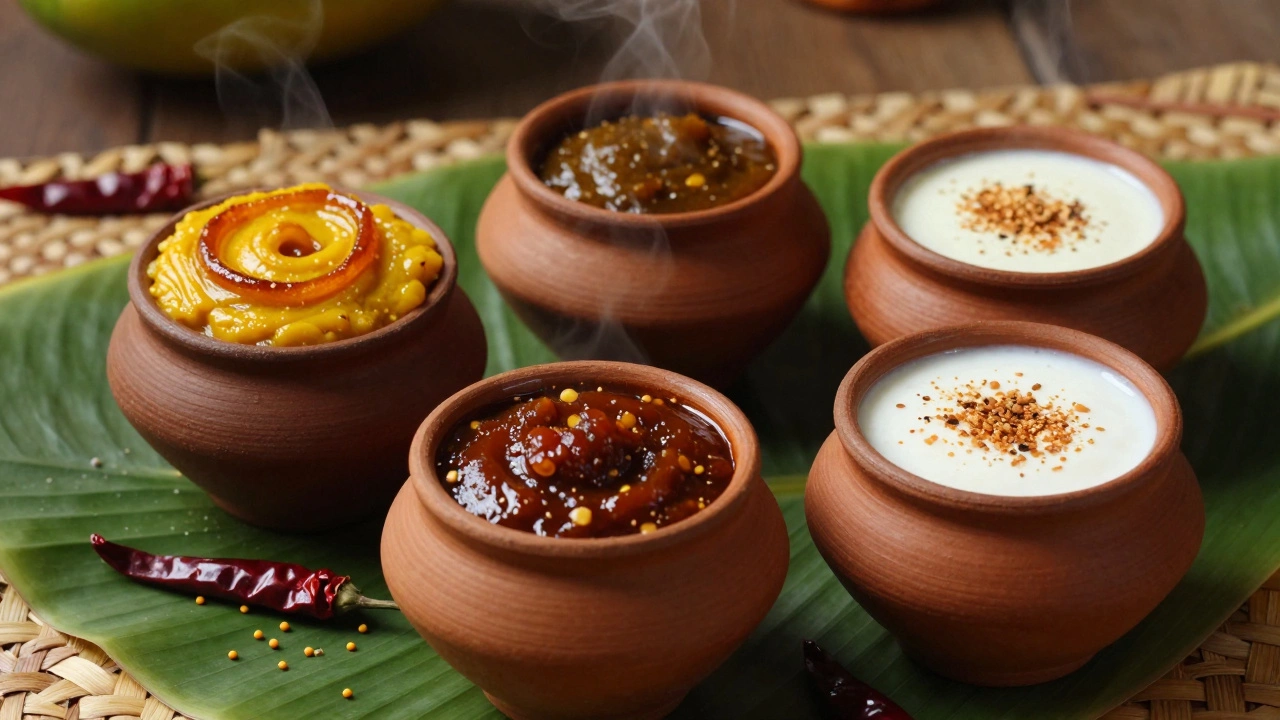
Chutney isn’t one thing. It’s a hundred. The base? Usually fruit or vegetables. Mango is the classic - ripe, golden, and juicy. But you’ll also find tamarind, coconut, tomato, even apple or pineapple. Each one brings its own personality. A mango chutney from Gujarat might be sweet and sticky, like caramelized fruit with a whisper of cardamom. A tamarind chutney from Mumbai? Sour as a lemon drop, but deeper, with a hint of jaggery that lingers.
Coconut chutney from South India? Think creamy, mild, and fresh - like a green smoothie that decided to become a condiment. It’s served with dosa, and it’s the reason you’ll lick the plate clean. Tomato chutney? Tangy, slightly smoky, with mustard seeds that pop in your mouth. It’s not ketchup. It’s not salsa. It’s its own thing.
The Spice Layer - It’s Not Just Heat
People think chutney is hot because of chili. But the real magic is in the balance. Green chilies bring sharp, bright heat. Red chilies? Smoky, slow-burning. Roasted red chilies? They turn into a velvet warmth that wraps around your tongue.
Then there’s mustard seed - toasted until it cracks, releasing a nutty, almost popcorn-like aroma. Fenugreek adds bitterness that turns sweet when cooked. Asafoetida? A weird, pungent smell when raw, but once fried in oil, it becomes the secret umami backbone of so many chutneys. You won’t taste it. You’ll feel it - like a deep, savory hum beneath everything else.
And ginger. Fresh, grated ginger. It doesn’t just add spice. It adds lift. Like a burst of citrus, but earthier. It cuts through sweetness and oil, making the whole thing feel clean, even if it’s thick.
Sweet, Sour, Salty - The Triangle That Makes It Work
Good chutney lives in the sweet-sour-salty zone. Not one, not two - all three, in perfect tension.
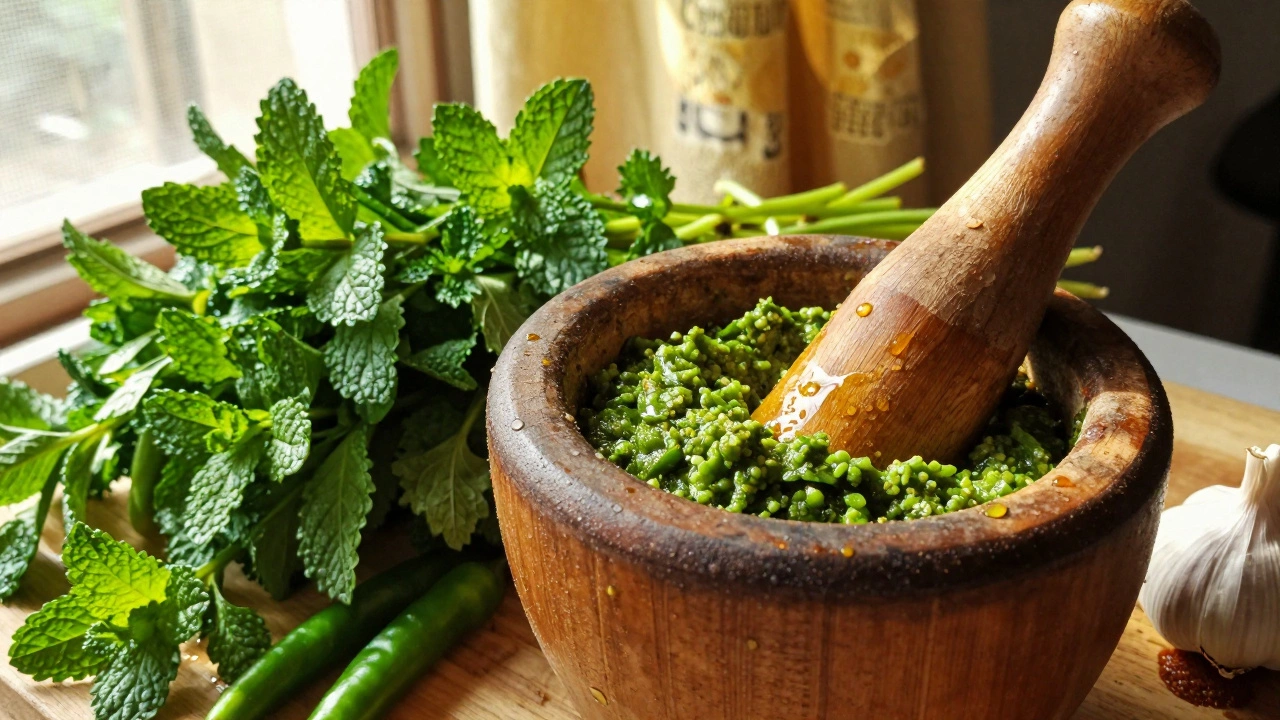
Take a classic mint-coriander chutney. Fresh herbs, green chilies, lemon juice, salt, a touch of sugar. The mint cools, the coriander adds grassy depth, the lemon screams sour, the sugar tames it just enough, and the salt? It wakes up every other flavor like a morning alarm. You don’t just taste it. You experience it.
Some chutneys lean heavy on jaggery - unrefined cane sugar that tastes like molasses with a hint of smoke. Others use tamarind paste, which is sour enough to make your cheeks pucker, then softened with palm sugar. The salt isn’t just for flavor. It’s the glue. Without it, chutney feels flat. With it? Everything sings.
Texture Matters More Than You Think
Not all chutneys are smooth. Some are chunky. Some are gritty. Some are silky. Texture tells you how it was made - and how to use it.
A coconut chutney made in a blender? Smooth, like a sauce. One made by grinding in a stone mortar? Coarse, with tiny bits of fiber and toasted coconut. That texture clings to dosa. It doesn’t slide off. It sticks. It lasts.
On the other end, a tomato chutney cooked down for hours becomes almost jam-like. Thick. Sticky. You spread it on toast like butter. It doesn’t need to be smooth. In fact, the little bits of skin and seed add character.
And then there’s the oil. A good chutney has a sheen. Not greasy. Just enough to carry the flavors and keep it from drying out. That’s why you’ll often see a thin layer of oil on top. It’s not a mistake. It’s protection.
How Chutney Changes With Time
Chutney isn’t static. It evolves. A fresh mint chutney, made yesterday, tastes bright and grassy. Five days later? The herbs soften. The garlic mellows. The heat fades. The sourness deepens. It’s not spoiled. It’s transformed. That’s why so many Indian homes make chutney in small batches - to catch it at its peak.
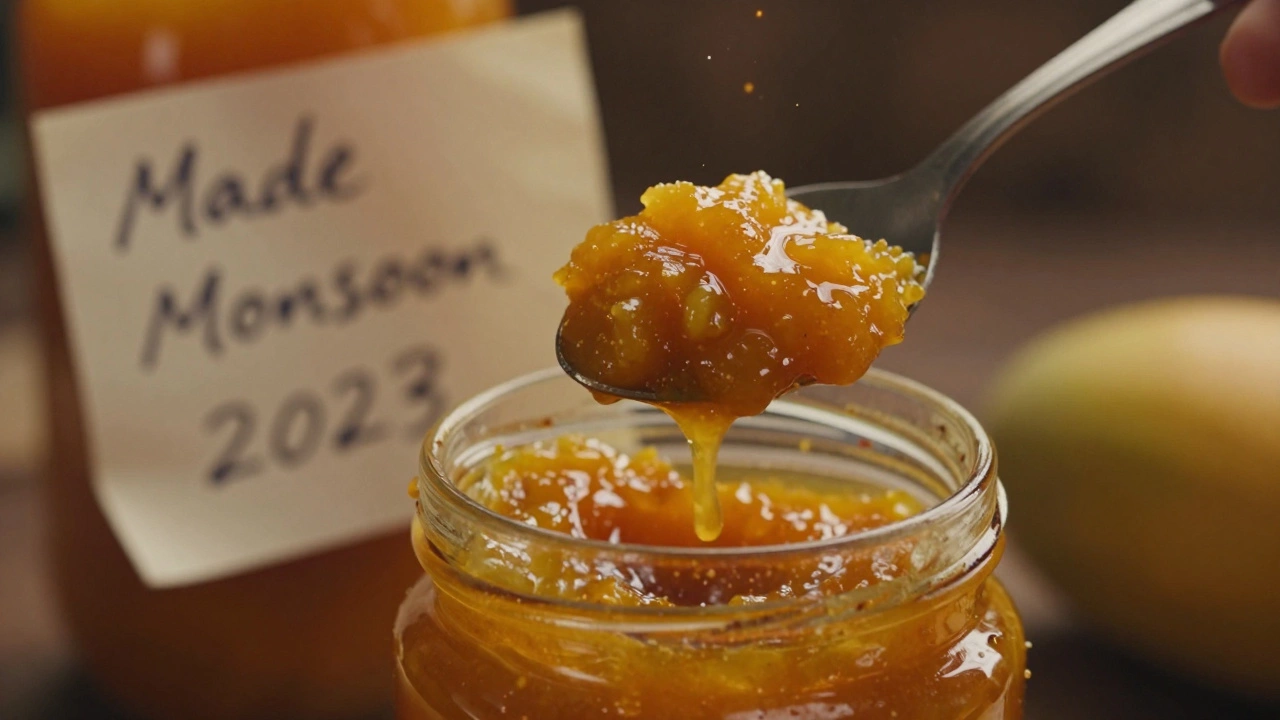
Some chutneys, like mango or tamarind, get better with age. Fermented for weeks, they develop a complexity you can’t rush. The sugar caramelizes. The acid softens. The spices settle into a harmony you can’t get from a recipe. It’s not just flavor. It’s history in a jar.
What It Pairs With - And Why
Chutney isn’t just for samosas. It’s for everything.
Try it with plain rice. A spoon of tamarind chutney turns boring rice into a meal. With yogurt? It cuts the coolness. With roasted vegetables? It adds a punch. On a cheese plate? A sweet mango chutney with aged cheddar? Magic.
It’s the condiment that doesn’t just accompany food. It redefines it. A plain idli? Bland. Add a dollop of coconut chutney and a spoon of sambar? Suddenly, it’s a moment.
And don’t forget the cold factor. A hot, spicy curry? A cool mint chutney on the side isn’t just a sidekick. It’s the rescue. It’s the reset button. It’s what keeps you coming back for more.
Why Store-Bought Falls Short
Most bottled chutneys are sweetened to death. They use vinegar instead of tamarind. They skip the toasted spices. They’re pasteurized, which kills the living flavors. They’re designed to last on a shelf - not to wake up your taste buds.
Homemade chutney? It’s alive. It smells like a kitchen after monsoon rain. It changes color slightly over days. It might separate. It might bubble. It might not look perfect. But it tastes real.
If you’ve never made your own, start with mint-coriander. Blend fresh herbs, green chilies, garlic, lemon juice, salt, and a pinch of sugar. Add a splash of water if it’s too thick. Let it sit for 30 minutes. Taste it. Then taste it again. You’ll realize - this is what chutney was meant to be.