Pulses and Digestion: How Indian Lentils and Beans Affect Your Gut
When you eat pulses, a category of dried seeds like lentils, chickpeas, and kidney beans that are staples in Indian cooking. Also known as legumes, they're packed with protein, fiber, and nutrients that keep you full and your gut happy. But if you’ve ever felt bloated after a plate of dal or chana masala, you’re not alone. Pulses are nutritious, yes—but they can also be tricky for digestion if not handled right.
The problem isn’t the pulses themselves. It’s the oligosaccharides, complex sugars that human enzymes can’t break down. These sugars ride straight to your large intestine, where gut bacteria feast on them—and produce gas as a byproduct. That’s why you feel bloated. But here’s the fix: soaking, sprouting, and slow cooking break down those sugars. Traditional Indian methods like soaking chana overnight or pressure-cooking dal until it’s soft aren’t just about taste—they’re digestive hacks passed down for generations. Add a pinch of asafoetida (hing) while cooking, and you’re not just flavoring your curry—you’re neutralizing gas-causing compounds. Even the way you eat matters. Slow chewing helps your body start breaking down fibers before they even hit your gut.
Some people think pulses are hard on the stomach, but that’s usually because they’re undercooked or eaten raw. A bowl of well-made rajma or moong dal isn’t just comforting—it’s one of the most gut-friendly meals you can eat. The fiber feeds good bacteria, helps regulate blood sugar, and keeps bowel movements regular. And unlike processed foods, pulses don’t come with additives or preservatives that irritate your system. The real issue? Skipping prep steps. If you toss dry lentils straight into a pot without soaking, you’re asking for trouble. But if you follow the old ways—soak, rinse, cook slow, spice right—you’ll barely notice the gas.
What you’ll find in this collection isn’t just recipes. It’s the science behind why your body reacts to dal the way it does, how to fix common digestion problems with simple cooking tricks, and which Indian pulse dishes are easiest on your stomach. From the humble toor dal to the hearty chana, you’ll learn how to turn every bite into a gut-friendly win.
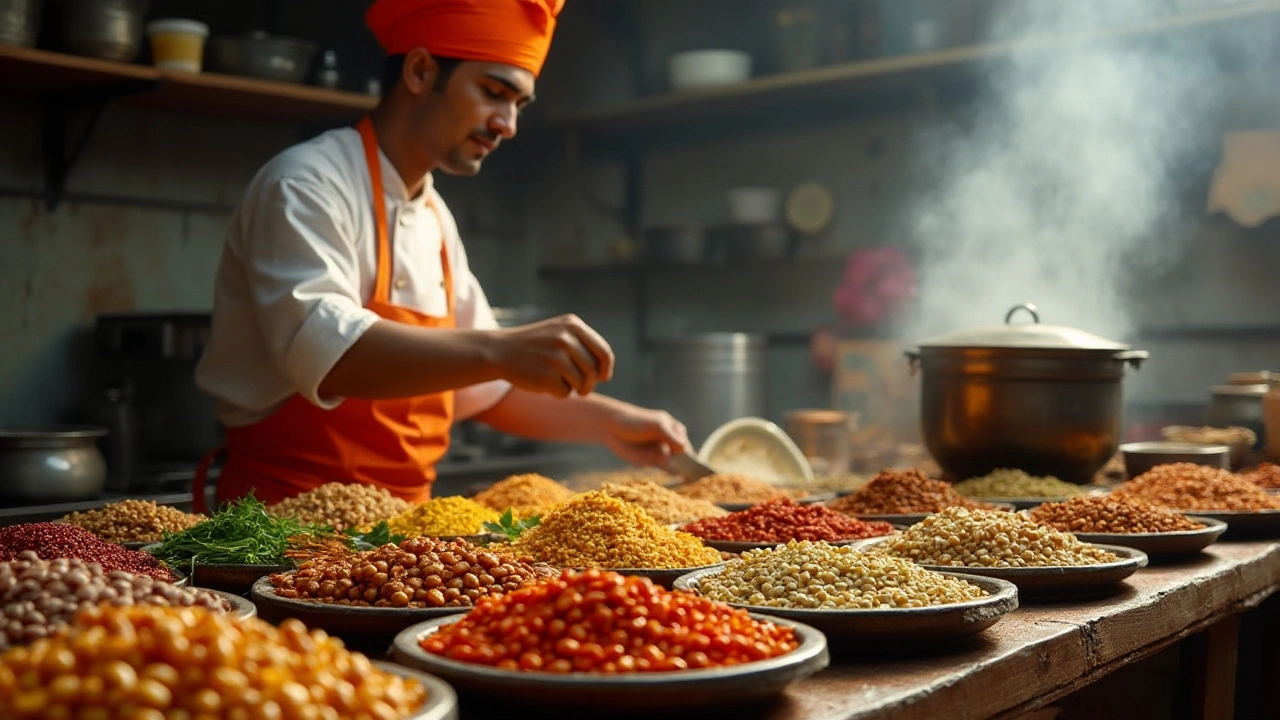
The Hidden Downsides of Delicious Dal: Are Pulses Harmful?
Pulses, while considered a staple in many cuisines, might pose certain health risks if consumed inappropriately. This article examines the potential downsides of pulses, commonly referred to in the culinary world as dal, and explores why these plant-based foods can be harmful. In addition, it provides insights into healthier preparation methods to mitigate these risks and enhance their nutritional benefits. Discover why it's essential to rethink how dal is integrated into diets, especially for those sensitive to certain components. Learn valuable tips to enjoy dal safely and deliciously.