Indian Meal Calorie Calculator
Your Meal Total
Indian food is rich, colorful, and full of flavor-but not all of it is good for you. If you’ve ever eaten a plate of butter chicken with three parathas and a side of gulab jamun, you know how easy it is to overdo it. The question isn’t whether Indian food can be healthy-it absolutely can. The real issue is which dishes pack the most calories, fat, and sugar without offering much nutrition. So, what’s the most unhealthy Indian food? It’s not one single dish. It’s the combination of deep-fried snacks, heavy gravies, and sugary desserts that turn a flavorful meal into a calorie bomb.
Fried Snacks Are the Biggest Culprit
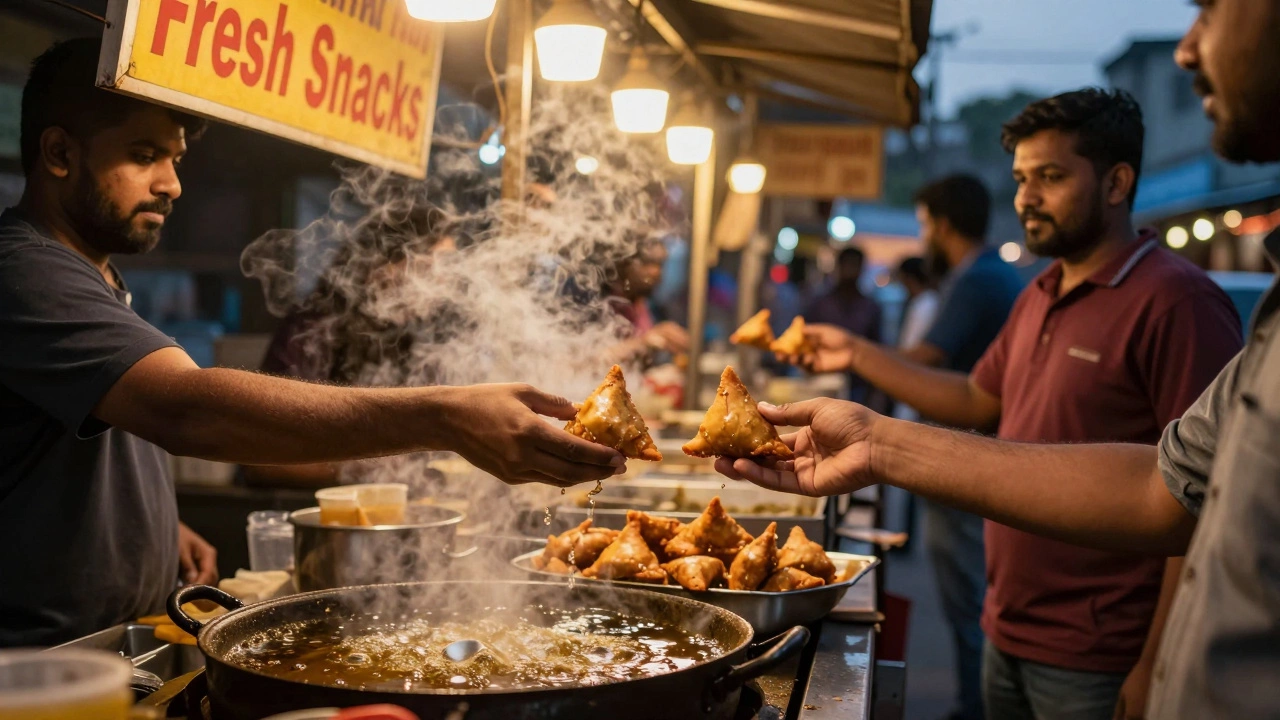
If you’re looking for the single most unhealthy item on any Indian menu, start with deep-fried snacks. Samosas, pakoras, and bhajjis are everywhere-from street corners to family gatherings. A single medium samosa can contain 250-300 calories, with 15-20 grams of fat. That’s mostly from the refined flour crust and the oil it soaks up during frying. Pakoras, made with chickpea flour and sliced vegetables, sound healthy until you realize they’re deep-fried in reused oil, often heated multiple times. Reused oil breaks down into trans fats, which raise bad cholesterol and lower good cholesterol.
Studies from the Indian Council of Medical Research show that regular consumption of fried street snacks is linked to higher rates of abdominal obesity and insulin resistance in urban populations. And it’s not just the oil-it’s the portion sizes. One snack turns into three, then five, then a whole plate. No one eats just one.
Butter Chicken and Creamy Curries
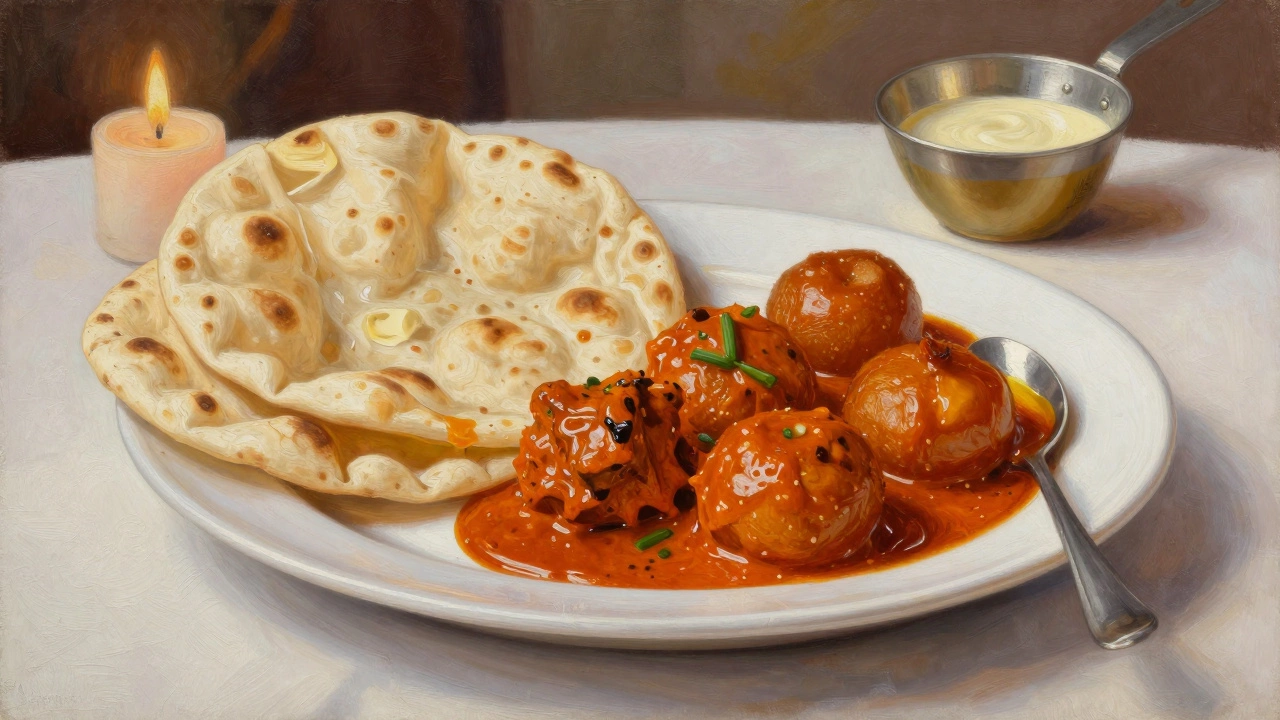
Butter chicken is beloved around the world. But here’s the truth: a single serving can have 450-600 calories, with 30-40 grams of fat. The cream, butter, and ghee aren’t just flavor-they’re the main ingredients. The same goes for paneer butter masala, malai kofta, and korma. These dishes use heavy cream, double cream, or coconut milk as a base, then finish with a swirl of ghee. The spices? They’re fine. The dairy fat? Not so much.
Many restaurants use 3-4 tablespoons of butter per serving just to make the sauce glossy. Home cooks aren’t much better. A typical recipe calls for 1/2 cup of cream and 1/4 cup of ghee. That’s more than half your daily recommended fat intake in one dish. And because the sauce is so rich, people eat more rice or naan to soak it up-adding another 200-300 calories per serving.
Naan, Paratha, and Other Refined Flour Breads
Flatbreads like naan and paratha are often seen as harmless sides. But they’re not. A single piece of butter naan has 250-350 calories, mostly from white flour and melted butter. Paratha is worse-it’s layered with ghee or oil, then fried on a griddle. One paratha can contain 300-400 calories and 20+ grams of fat. And most people eat two or three.
These breads are made from refined wheat flour, which strips away fiber and nutrients. That means they spike blood sugar fast, leaving you hungry again within an hour. Compare that to roti made from whole wheat-lower in calories, higher in fiber, and far more filling. Yet roti rarely gets the same attention on menus. Why? Because buttered naan tastes better. And that’s the problem.
Sweets: Sugar Bombs in Disguise
Indian desserts are beautiful, but they’re also dangerous. Gulab jamun, jalebi, and rasgulla are soaked in sugar syrup. One gulab jamun can have 150-200 calories, and most people eat three. Jalebi? A single piece can contain 250 calories, almost all from sugar and fried batter. Even ‘healthier’ options like kheer-rice pudding made with milk and sugar-can pack 300 calories per bowl, with 20 grams of sugar.
The World Health Organization recommends no more than 25 grams of added sugar per day. One serving of jalebi can blow past that. And because sweets are often served at celebrations, people don’t think twice. But daily consumption? That’s how type 2 diabetes spreads in communities that used to have low rates.
Why These Dishes Are So Common
It’s not that Indian food is inherently unhealthy. It’s the way these dishes are prepared and served. Frying is fast, cheap, and keeps food crispy and appealing. Cream and butter make food taste richer, so restaurants use them to keep customers happy. Sugar is addictive-and it’s cheap. These aren’t flaws in the cuisine. They’re flaws in modern food production and convenience culture.
Traditional Indian meals used to be balanced: lentils, vegetables, whole grains, and small portions of dairy or meat. Today, meals are often built around one or two indulgent dishes, with the rest as filler. That’s the shift. And it’s happened fast. In the last 20 years, rates of obesity and diabetes in India have more than doubled.
What You Can Do Instead
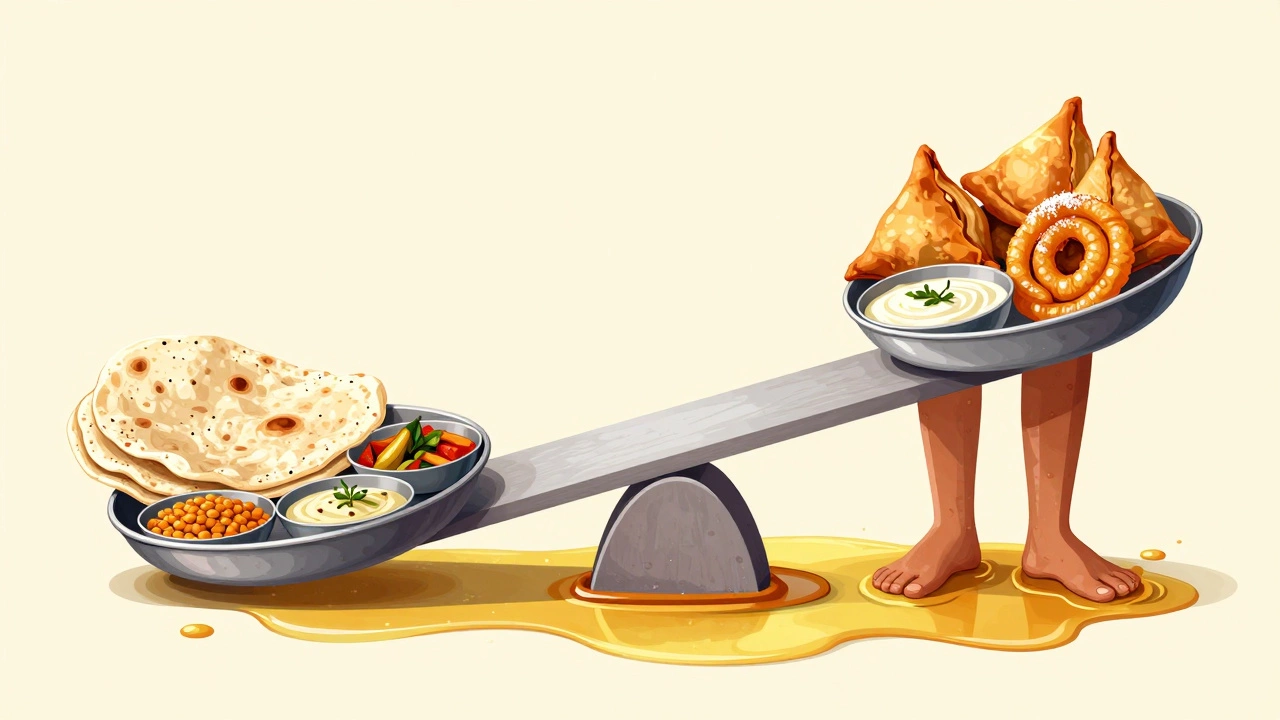
You don’t have to give up Indian food. You just need to adjust how you eat it.
- Swap fried snacks for baked or air-fried versions. Try baked samosas with whole wheat dough.
- Ask for less butter and cream in curries. Many restaurants will make it lighter if you ask.
- Choose roti over naan. Whole wheat roti has more fiber and fewer calories.
- Limit sweets to special occasions. One small piece of jalebi once a week is fine. Daily? Not worth it.
- Load up on vegetables. A plate of dal, sautéed spinach, and a side of cucumber salad balances out richer dishes.
There’s no shame in enjoying butter chicken. But if you eat it every Friday, and pair it with three parathas and a bowl of kheer, you’re setting yourself up for long-term health issues. The most unhealthy Indian food isn’t one dish. It’s the pattern: too much fried stuff, too much fat, too much sugar, and not enough balance.
Real People, Real Changes
A 2023 study in Pune tracked 500 people who cut back on fried snacks and creamy curries for six months. They replaced them with grilled chicken tikka, lentil dal, brown rice, and fresh salads. The average weight loss? 8 pounds. Blood sugar levels dropped by 18%. Cholesterol improved in 72% of participants.
One woman, a 42-year-old teacher, told researchers: "I didn’t give up my favorite foods. I just stopped eating them every day. Now I have butter chicken once a month-and I actually enjoy it more because it’s special."
That’s the key. It’s not about deprivation. It’s about awareness.
Is Indian food always unhealthy?
No, Indian food isn’t always unhealthy. Traditional meals often include lentils, vegetables, whole grains like brown rice and millet, and spices with anti-inflammatory properties. Dishes like dal, khichdi, vegetable stir-fries, and yogurt-based raitas are nutritious and low in fat. The problem isn’t Indian cuisine-it’s the modern versions that overload on oil, sugar, and refined flour.
Which Indian dish has the most calories?
Among popular dishes, a large plate of butter chicken with three butter naans and a serving of gulab jamun can exceed 1,500 calories. But if you’re looking at a single item, jalebi or gulab jamun are the worst offenders-each piece can be 200-250 calories, almost entirely from sugar and fried batter. A single serving of malai kofta with cream sauce can also hit 600+ calories.
Are Indian street foods always unhealthy?
Not always, but most are. Street foods like vada pav, pani puri, and bhel puri often use fried components and sugary chutneys. The bigger issue is the oil-many vendors reuse oil dozens of times, creating harmful trans fats. However, some street foods like idli, upma, or roasted corn are healthy. The key is knowing what to look for: steamed or grilled over fried, fresh ingredients over syrupy sauces.
Can I eat Indian food and still lose weight?
Yes, absolutely. Many people in India and abroad have lost weight eating Indian food by focusing on lentils, vegetables, grilled meats, and whole grains. Skip the fried snacks, creamy curries, and sugary desserts. Choose tandoori chicken over butter chicken, brown rice over white rice, and roti over naan. Portion control matters more than the cuisine itself.
Why is ghee considered unhealthy in some Indian dishes?
Ghee is clarified butter and has been used in Indian cooking for centuries. In small amounts, it’s fine and even has some benefits. But when used generously-like pouring a quarter cup into a curry or spreading it on every roti-it adds a lot of saturated fat. One tablespoon of ghee has 120 calories and 14 grams of fat. That’s fine once in a while. But if you’re eating it with every meal, it contributes to weight gain and higher cholesterol.
What’s a healthier alternative to samosas?
Try baked samosas made with whole wheat dough and filled with spiced lentils or vegetables. Air fryers work great for this-they give you crispiness without the oil soak. Another option is roasted chickpeas seasoned with cumin and chili. They’re crunchy, filling, and packed with protein and fiber.
Is paneer a healthy food?
Paneer itself is a good source of protein and calcium. But how it’s prepared makes all the difference. Paneer tikka grilled on skewers is healthy. Paneer butter masala, smothered in cream and butter, is not. Stick to grilled or stir-fried paneer with vegetables and skip the heavy sauces.
Final Thought: Enjoy, But Don’t Overdo It
Indian food is one of the most flavorful cuisines in the world. But like any cuisine, it can become unhealthy when prepared with too much oil, sugar, and refined carbs. The most unhealthy Indian food isn’t a single dish-it’s the habit of eating multiple indulgent items in one sitting. The solution isn’t to avoid Indian food. It’s to eat it smarter: fewer fried snacks, lighter sauces, whole grains, and more vegetables. That’s how you keep the flavor without the cost.