Indian Street Food Safety Checker
Select a food item or filter by risk level to see safety guidelines and pro tips for eating out in India.
General Hygiene Rules
- 1 Follow the locals: High turnover means fresh ingredients.
- 2 Hot is safe: Heat kills bacteria. Stick to piping hot foods.
- 3 Watch the water: Avoid raw water/ice unless from sealed bottles.
- 4 Skip cut fruit: Unless peeled in front of you.
You land in New Delhi or Mumbai, the air is thick with humidity and the scent of frying oil and cumin. Your stomach gives a nervous flutter. You’ve heard the horror stories about "Delhi Belly," but you also know that some of the best meals of your life are waiting for you here. The challenge isn't just finding food; it's navigating a culinary landscape that operates on entirely different rules than what you're used back home.
For an American, Indian cuisine is a diverse range of regional dishes characterized by complex spice blends, heavy use of dairy, and distinct cooking techniques like tandoor baking and slow simmering. Unlike the standardized menus of US chains, every stall and restaurant offers unique variations. This guide breaks down exactly what to eat, what to avoid, and how to keep your gut happy while enjoying the feast.
The First Week: Playing It Safe
Don't try to conquer the entire menu on day one. Your palate and your microbiome need time to adjust. Start with familiar textures and flavors before diving into the deep end of spice.
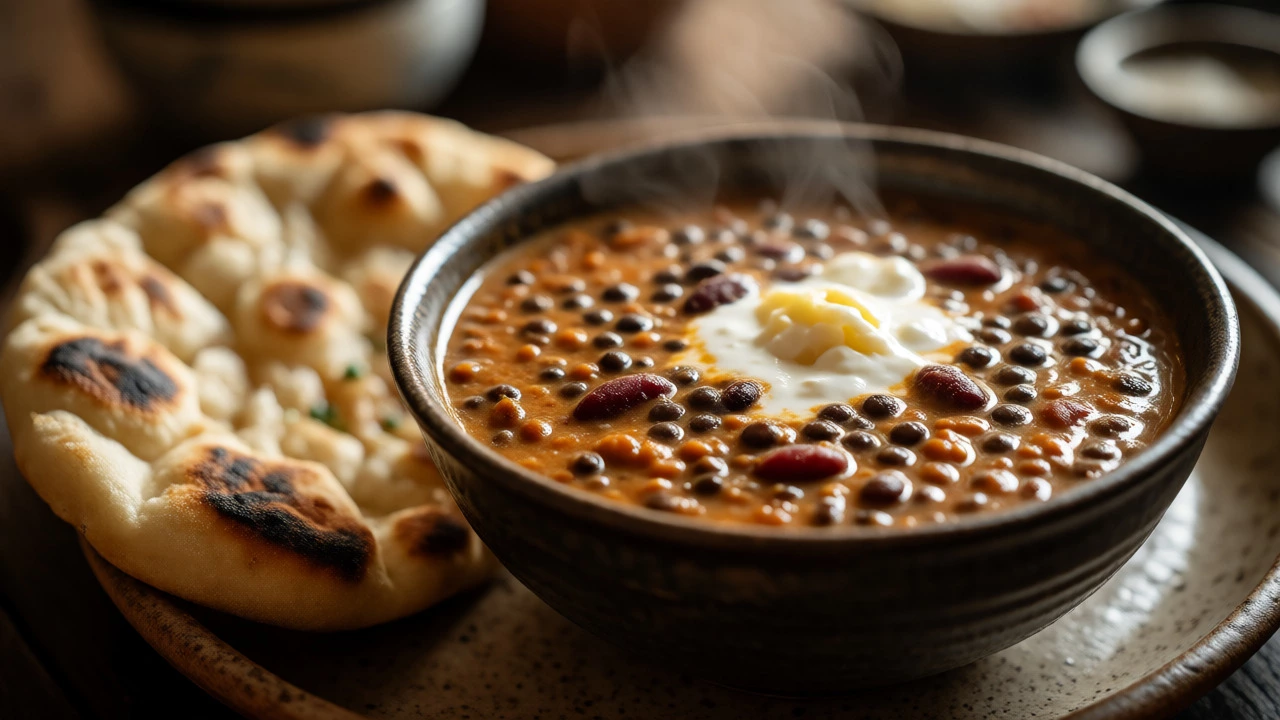
Dal Makhani is a rich, creamy lentil dish made with black lentils (urad dal), kidney beans, butter, and cream, often cooked slowly over low heat. It’s arguably the most forgiving entry point for Westerners. The texture is smooth, similar to a hearty stew, and the flavor profile-earthy, slightly sweet, and mild-is comforting rather than shocking. Pair it with Naan, which is a leavened flatbread baked in a clay oven called a tandoor, resulting in a charred, fluffy exterior and soft interior. Naan acts as a perfect vehicle for scooping up the dal, neutralizing any unexpected heat spikes.
If you’re feeling adventurous but cautious, try Chicken Tikka Masala, which is a popular curry consisting of roasted marinated chicken chunks (chicken tikka) in a spiced sauce. While often debated as a British invention, its prevalence in Indian restaurants worldwide makes it a safe bridge. In India, look for versions labeled "Kadai" or "Butter Chicken" for authentic local takes that are less sugary than their Western counterparts.
Navigating Street Food Without Fear
Street food is where the soul of Indian cuisine lives. Skipping it means missing out on Pani Puri, which is a hollow, crisp fried dough ball filled with flavored water (pani), tamarind chutney, chili, chaat masala, potato, onion, and chickpeas. But this is also where hygiene concerns peak. Here’s how to eat street food without spending your vacation in a bathroom.
- Follow the locals: If a stall has a line of office workers or families eating there daily, the turnover is high. High turnover means fresh ingredients. Avoid stalls with piles of old food sitting under glass cases.
- Watch the water: Never accept raw water or ice unless you trust the source. For Pani Puri, ask if they use mineral water for the filling. Many reputable vendors do.
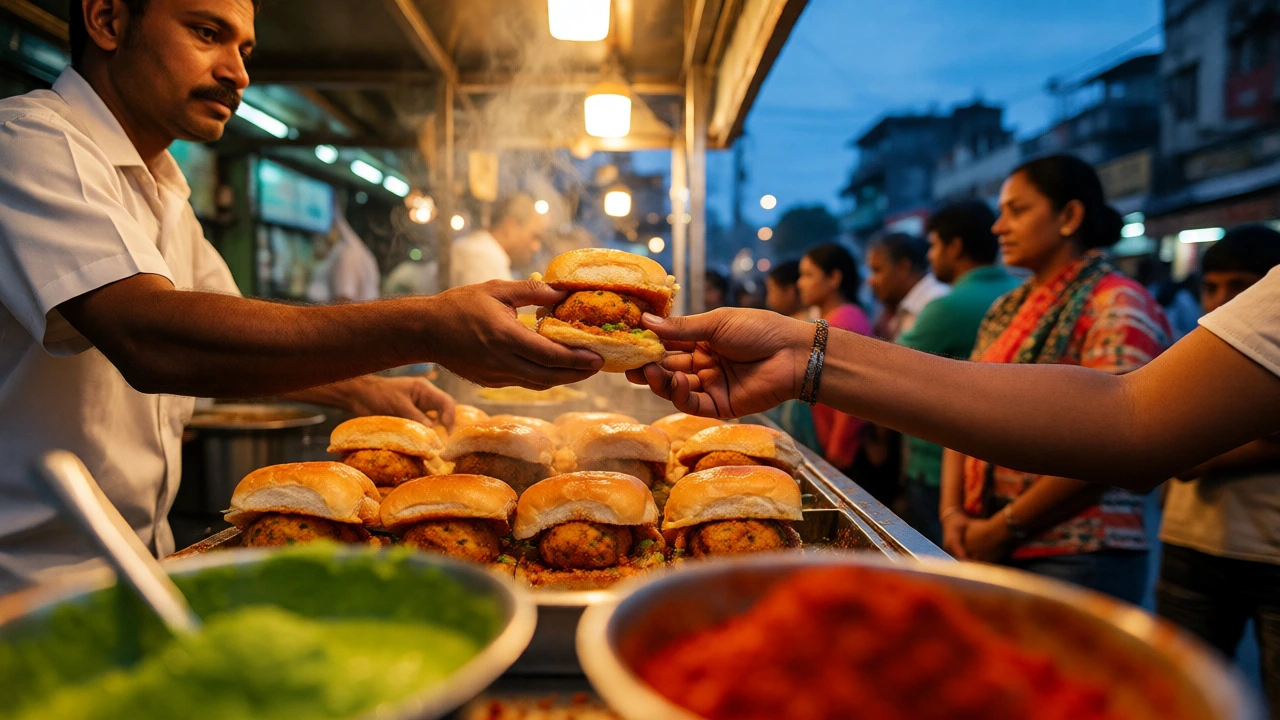
- Hot is safe: Heat kills bacteria. Stick to foods served piping hot, like Vada Pav, which is a spicy deep-fried potato dumpling placed inside a bread bun, commonly served with chutneys and fried green chilies. The frying process ensures safety.
- Skip the cut fruit: Unless you see them peel it right in front of you, avoid pre-cut fruits sold on the street. Washing with tap water can reintroduce pathogens.
| Food Item | Risk Level | Why It’s Risky/Safe | Pro Tip |
|---|---|---|---|
| Pani Puri / Golgappa | Medium-High | Raw water filling can carry bacteria. | Ask for bottled water filling. Eat only at busy stalls. |
| Vada Pav | Low | Deep-fried at high temperatures. | Eat immediately while hot. |
| Chole Bhature | Low-Medium | Chickpeas are boiled; bhatura is fried. | Ensure the oil looks clean, not blackened. |
| Cut Fruit Salad | High | Washed in potentially contaminated water. | Avoid unless peeled on-site. |
| Lassi (Yogurt Drink) | Low | Acidic environment inhibits bacterial growth. | Great for settling the stomach after spicy food. |
Vegetarian Paradise vs. Meat Lovers’ Dilemma
India is the world’s largest producer of vegetables and has a massive vegetarian population. As an American, you might assume vegetarian options are limited sides. Wrong. Vegetarianism here is a primary cuisine category, not an afterthought.
Paneer is a fresh cheese common in South Asian cuisine, made by curdling milk with an acid such as lemon juice or vinegar, pressed into blocks, and typically cubed for cooking. Unlike mozzarella, paneer doesn’t melt; it holds its shape. Try Palak Paneer (spinach and cheese) or Matar Paneer (peas and cheese). These are protein-rich, mild, and incredibly satisfying.
For meat eaters, be aware that pork and beef are less common in many regions due to religious dietary laws. Hindu-majority areas often avoid beef, while Muslim communities may avoid pork. Look for goat (mutton), chicken, and fish. Biryani is a mixed rice dish originating among the Muslims of the Indian subcontinent, prepared with spices, rice, and meat or vegetables. Hyderabadi Biryani is famous for its aromatic basmati rice and tender meat. Just ensure the meat is thoroughly cooked, especially in hotter months.
Spice Levels: Decoding the Heat
When a waiter asks, "How spicy?", don't say "medium." Their medium might be your fire extinguisher moment. Indian cooking uses Garam Masala, which is a blend of ground spices used in Indian cuisine, typically including cinnamon, cardamom, cloves, cumin, coriander, and black pepper. It adds warmth and aroma, not necessarily heat. The actual heat comes from Red Chili Powder.
Here’s a quick translation guide for your palate:
- Mild: Mostly garam masala and turmeric. Safe for beginners.
- Medium: Contains moderate red chili powder. Expect a noticeable kick that builds.
- Hot/Spicy: Heavy hand of chili. Have yogurt ready.
- Andhra Style: Specifically from Andhra Pradesh, known for being extremely fiery. Approach with caution.
Pro tip: Order plain yogurt (dahi) or Raita (yogurt mixed with cucumber and mint) alongside every meal. Dairy proteins bind with capsaicin (the compound that makes chili hot), effectively cooling your mouth faster than water or beer ever could.
Regional Differences You Should Know
India is not one country culinarily; it’s a continent disguised as one. What you eat in Delhi differs vastly from Chennai or Kolkata.
In the North (Delhi, Punjab, Rajasthan), expect heavy use of wheat-based breads (naan, roti), rich gravies with cream and butter, and tandoori meats. Dishes like Butter Chicken and Rogan Josh dominate.
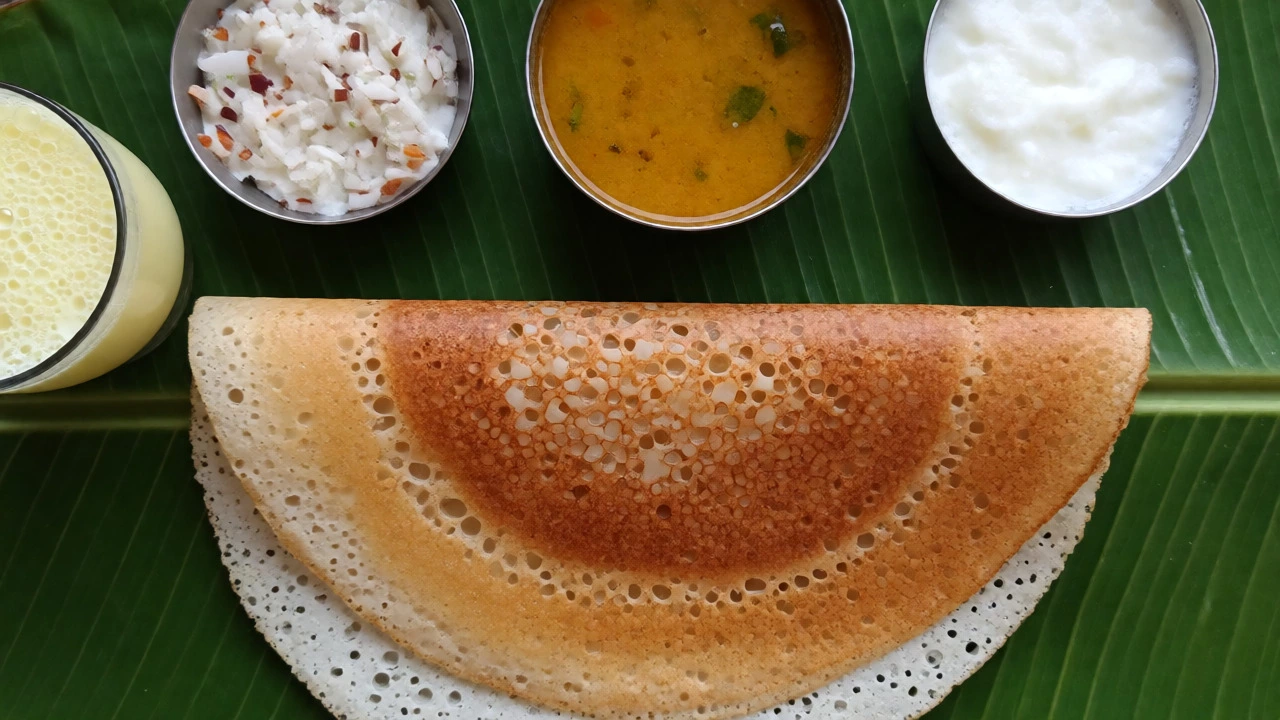
In the South (Tamil Nadu, Kerala, Karnataka), rice is king. Meals revolve around Dosa, which is a thin, crispy pancake made from fermented batter of rice and urad dal, typically served with sambar and coconut chutney. Flavors are sharper, using more tamarind, coconut, and mustard seeds. Coconut-based curries replace cream-based ones. If you prefer lighter, tangier flavors, head south.
In the East (West Bengal, Odisha), mustard oil is prevalent, giving a pungent kick. Fish is a staple, often cooked in subtle mustard sauces. Sweets are also prominent here, with Rosogolla (spongy cottage cheese balls in syrup) being iconic.
Hygiene Hacks for Long-Term Comfort
Beyond food choices, habits matter. Americans are used to refrigerated everything. In India, ambient temperature storage is common. Trust your nose and eyes.
- Hand sanitizer is non-negotiable: Carry a bottle. Wash hands before every meal if possible, otherwise sanitize thoroughly.
- Stick to sealed bottles: Only drink bottled water with intact seals. Check for leaks. Avoid fountain drinks where ice cubes come from unknown sources.
- Tea is safer than coffee: Chai is a strong tea brewed with milk, sugar, and spices like ginger, cardamom, and cinnamon, boiled together. Because it’s boiled, it’s generally safe. Coffee shops in cities are fine, but roadside chai stalls vary.
- Probiotics help: Consider taking probiotic supplements before and during your trip to support gut health against new bacterial strains.
Is all Indian food spicy?
No, not all Indian food is spicy. Many dishes rely on aromatics like ginger, garlic, cumin, and cardamom for flavor without heat. Dishes like Dal Makhani, Korma, and many South Indian breakfast items like Idli and Dosa are mild. You can always request "less spicy" or "mild" when ordering.
What is the safest food for tourists in India?
The safest foods are those served piping hot and freshly cooked. Vada Pav, Samosas, Dosas, and Thalis (platters) from reputable restaurants are good choices. Avoid raw salads, cut fruits, and street-side juices unless you are confident in the vendor's hygiene practices.
Can I find vegetarian options easily in India?
Yes, India is one of the easiest countries in the world for vegetarians. Most restaurants have extensive vegetarian sections on their menus, marked with a green dot. Paneer, lentils (dal), and vegetable curries are abundant and delicious. Vegan options are growing but require checking for ghee (clarified butter) usage.
How do I handle the spice level if I get overwhelmed?
Do not drink water, as it spreads the capsaicin. Instead, consume dairy products like yogurt, lassi, or milk. Bread (naan or roti) can also help absorb the oil carrying the spice. Eating something starchy like rice helps too.
Is street food really safe to eat?
It can be, if you choose wisely. Look for stalls with high customer turnover, visible cleanliness, and food that is cooked to order. Follow local crowds-they know the best spots. Avoid pre-cooked food sitting out for long periods.