Indian Weight-Gain Snack Planner
Select your snack type and portion size to see how it contributes to your daily caloric surplus for healthy weight gain.
Total Calories
Most people think of India as a land of light, airy dosas and spicy chutneys that leave you hungry an hour later. But if you are trying to pack on pounds, especially lean muscle, the Indian pantry is actually a goldmine. The problem isn't the cuisine; it's the approach. Most dieters fear calories, but when you're underweight or struggling to build mass, calories are your best friend. You just need the right kind.
Forget about stuffing yourself with fried samosas every day. That’s empty fuel. What you need are nutrient-dense options that provide protein, healthy fats, and complex carbs in one bite. Think of this as strategic snacking. You aren't just eating because you're bored; you're eating to trigger growth. Whether you are a student living in a hostel with limited kitchen access or someone working from home who needs quick energy between meetings, these options fit seamlessly into a busy schedule without requiring hours of prep.
The Protein Powerhouses: Paneer and Chana
If you want to gain weight, you need protein. Not just any protein, but complete proteins that contain all essential amino acids. In the Indian context, two ingredients stand out above the rest: paneer and chickpeas (chana).
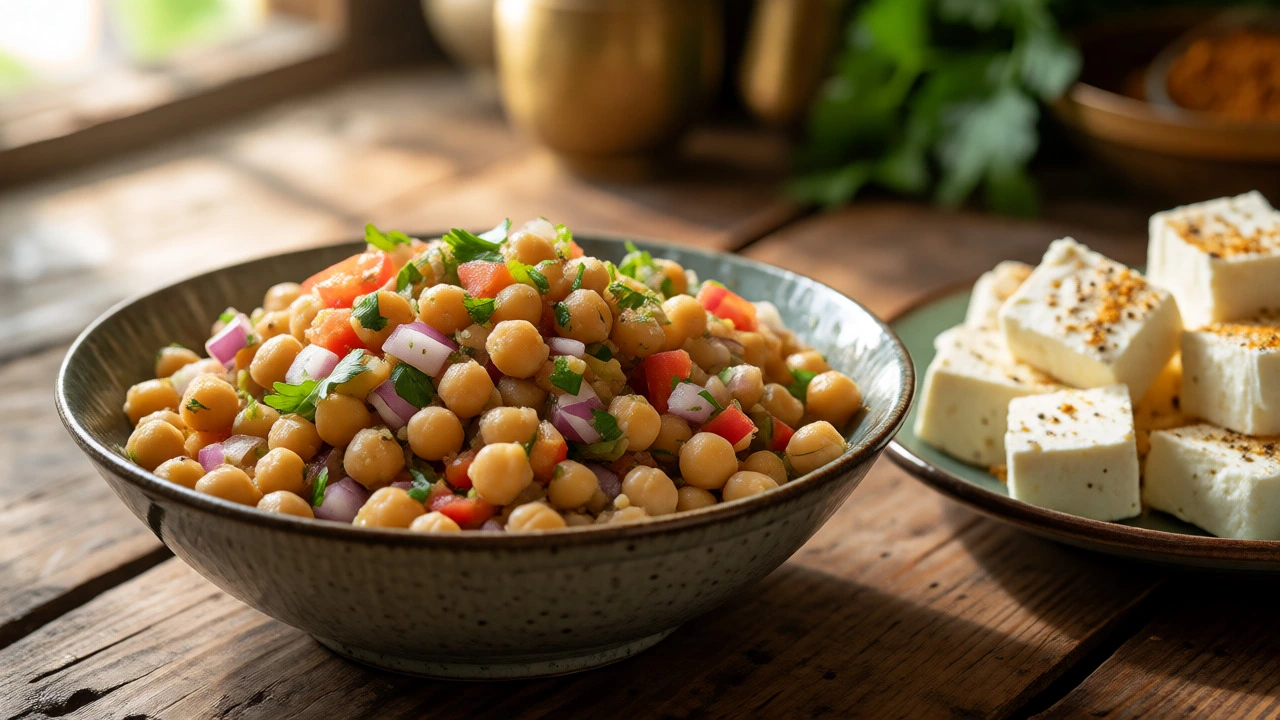
Paneer is a fresh cheese common in South Asian cuisine, made by curdling milk with an acid like lemon juice or vinegar. It is dense, creamy, and incredibly versatile. Unlike many Western cheeses, paneer doesn't melt easily, which makes it perfect for cubing and tossing into salads or stir-fries. A 100-gram serving packs around 18-20 grams of protein and significant calcium. For weight gain, pair raw paneer cubes with a sprinkle of chaat masala and black pepper. It takes thirty seconds to prepare and keeps you full while delivering a massive protein hit. If you find plain paneer too bland, try grilling it with a little olive oil until the edges crisp up. The fat content helps absorb fat-soluble vitamins, adding to your caloric surplus naturally.
Then there is Chana, specifically boiled chickpeas. They are often overlooked as a snack because they are usually reserved for curries. But grab a handful of boiled chana, toss them with some chopped onions, tomatoes, and coriander, and you have a snack that rivals any protein bar. Chickpeas offer a dual benefit: high fiber and decent plant-based protein. This combination stabilizes blood sugar levels, preventing the crash that often leads to overeating junk food later. For extra calories, drizzle some olive oil or ghee over the salad. Ghee is pure fat, so a tablespoon adds 120 calories instantly without increasing the volume of food you need to chew.
Carb Loading Done Right: Sweet Potatoes and Bananas
Protein builds the structure, but carbohydrates provide the energy to lift heavy weights or stay active throughout the day. When gaining weight, you don't want to rely solely on refined white flour (maida). Instead, look at root vegetables and fruits that offer sustained energy.
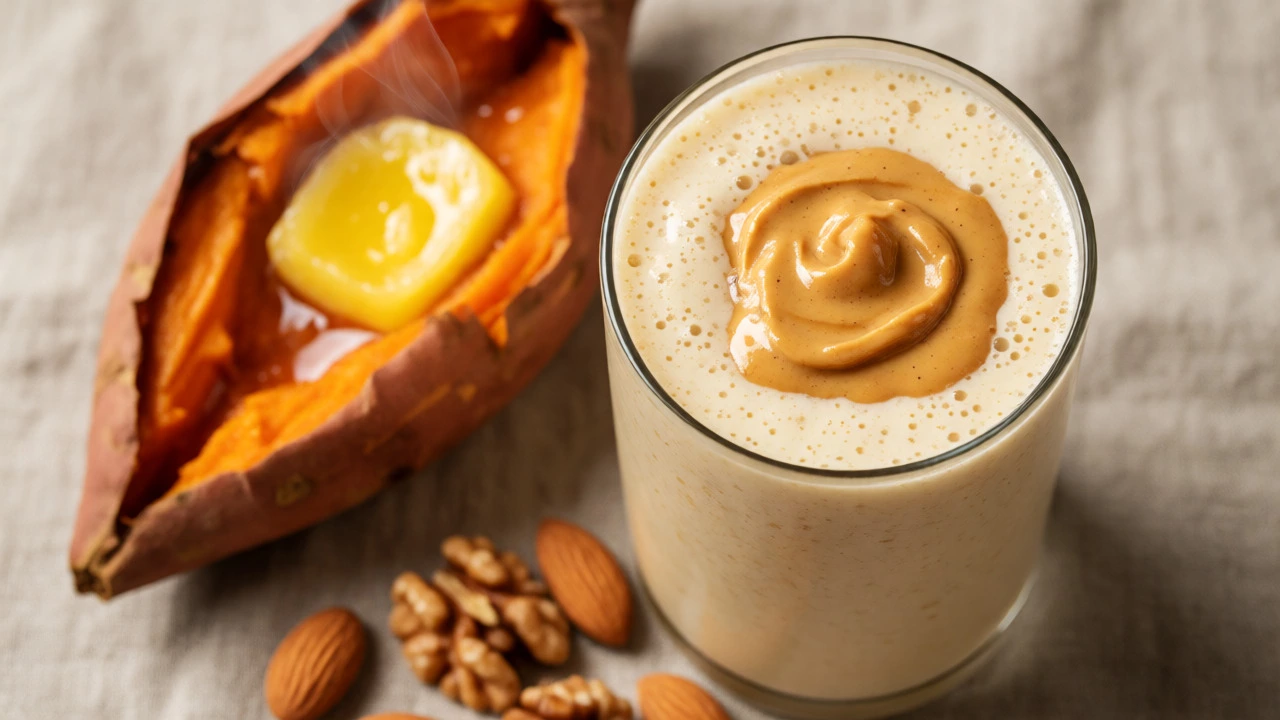
Sweet potatoes are arguably the best carb source for weight gainers in India. They are cheap, widely available, and packed with potassium, which helps prevent muscle cramps. Boil or bake a medium-sized sweet potato and eat it warm with a dollop of butter or ghee. The natural sugars satisfy cravings for sweets, while the complex carbs refill glycogen stores in your muscles. Unlike white rice, which spikes insulin quickly, sweet potatoes release energy slowly, keeping your metabolism steady.
Bananas are another staple. They are nature's original energy bar. High in simple carbs and potassium, they digest quickly, making them ideal pre- or post-workout snacks. To boost the calorie count, blend two bananas with full-fat milk and a spoonful of peanut butter. This smoothie can easily hit 400-500 calories in a single glass. It’s liquid, so it goes down easy even if you aren't feeling particularly hungry. Liquid calories are a secret weapon for hard-gainers who struggle to chew through large meals.
Fats Are Your Friend: Nuts and Seeds
Diet culture has demonized fat for decades, but for weight gain, fat is essential. It is the most calorie-dense macronutrient, providing nine calories per gram compared to four for protein or carbs. Incorporating healthy fats allows you to increase your daily intake without feeling stuffed.
Almonds and Walnuts are excellent choices. Almonds provide vitamin E and magnesium, supporting recovery, while walnuts are rich in omega-3 fatty acids, which reduce inflammation. Keep a small jar of mixed nuts on your desk. Eating a handful (about 30 grams) adds roughly 170-200 calories. It’s effortless. Just make sure they are unsalted and roasted in minimal oil to avoid excess sodium.
Don't ignore seeds either. Pumpkin seeds and sunflower seeds are tiny powerhouses. Sprinkle pumpkin seeds over your morning yogurt or oatmeal. They add crunch and a significant dose of zinc, which is crucial for testosterone production-a key hormone for muscle growth. Peanut butter deserves special mention here. Real peanut butter, with no added hydrogenated oils, is a calorie bomb in the best way possible. Two tablespoons contain nearly 200 calories. Spread it on whole-grain toast or mix it into your banana smoothie. The monounsaturated fats support heart health, ensuring you gain weight in a healthy manner rather than accumulating visceral fat.
Traditional Favorites Reimagined
You don't need to abandon traditional Indian snacks; you just need to tweak them. Traditional recipes often use excessive oil for frying or sugar for sweetness. By adjusting the preparation method, you can turn indulgent treats into weight-gain allies.
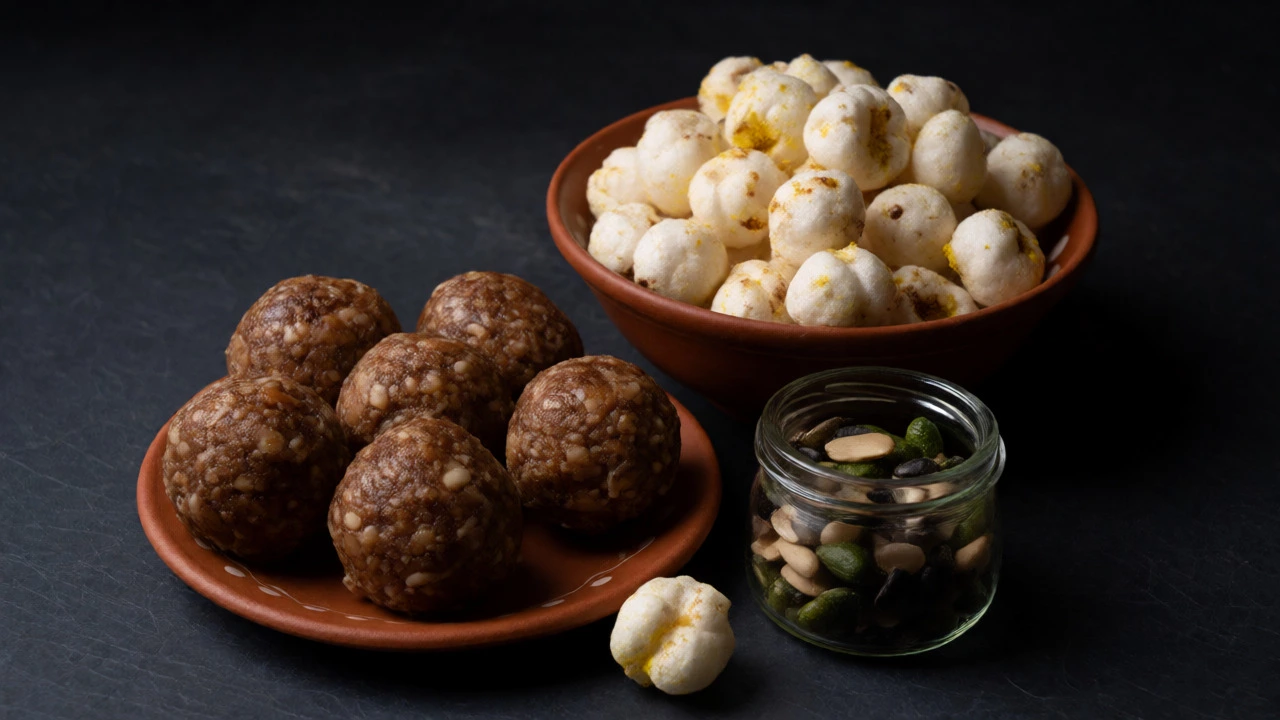
Take Laddoos, for instance. Usually made with besan (gram flour), ghee, and sugar, they are already calorie-dense. The issue is the refined sugar. Swap half the sugar for dates paste or jaggery, which offers minerals along with sweetness. Besan itself is high in protein and fiber. Making laddoos at home lets you control the ghee-to-flour ratio. Use generous amounts of ghee-it’s not just a cooking medium; it’s a flavor enhancer and a source of butyric acid, which supports gut health. A homemade date-and-nut laddoo is far superior to store-bought versions loaded with preservatives.
Another classic is Makhana (fox nuts). While low in calories on their own, they become a weight-gain snack when prepared correctly. Instead of air-popping them dry, roast them in ghee until they puff up. Toss them with turmeric and salt. The absorption of ghee transforms them from a light snack into a calorie-rich treat. Pair a bowl of ghee-roasted makhana with a glass of full-fat milk, and you have a balanced snack with carbs, fats, and protein.
| Snack Item | Portion Size | Approx. Calories | Key Nutrients |
|---|---|---|---|
| Raw Paneer Cubes | 100g | 265 kcal | Protein, Calcium |
| Boiled Chana Salad | 1 cup | 269 kcal | Fiber, Plant Protein |
| Banana Smoothie | 1 glass | 450 kcal | Potassium, Simple Carbs |
| Ghee Roasted Makhana | 1/2 cup | 150 kcal | Healthy Fats, Antioxidants |
| Date & Nut Laddoo | 1 piece | 120 kcal | Natural Sugars, Minerals |
| Almonds | 1 oz (approx 23) | 164 kcal | Vitamin E, Omega-3s |
Timing and Frequency Matter
Eating the right foods is only half the battle. When you eat them determines whether those calories go toward muscle repair or get stored as fat. For weight gain, consistency beats intensity. Aim for three main meals and two to three substantial snacks spaced evenly throughout the day. Never skip breakfast. Starting your day with a high-calorie meal sets a positive metabolic tone.
Consider your activity level. If you work out in the evening, have a carb-heavy snack like a banana or sweet potato about an hour before training. This fuels your performance. Post-workout, prioritize protein and fast-digesting carbs. A paneer sandwich or a whey protein shake with fruit works well here. If you are sedentary, spread the calories more evenly to avoid bloating. Listen to your body. If you feel sluggish after a heavy snack, split it into two smaller portions.
Hydration plays a sneaky role here. Drinking water before meals fills your stomach, reducing appetite. Try drinking water *between* meals instead. However, ensure you are hydrated enough to process the increased protein load, which requires more water for kidney function. Dehydration can mimic hunger, leading to poor food choices. Stick to water, herbal teas, or coconut water. Avoid sugary sodas; they provide empty calories that spike insulin without offering nutrients.
Common Pitfalls to Avoid
One major mistake is relying entirely on processed "health" bars. Many Indian market brands claim to be healthy but are loaded with glucose syrup and palm oil. Read the label. If sugar is in the top three ingredients, put it back. Homemade snacks give you total control. Another pitfall is ignoring fiber. While you need calories, too much fiber without enough water causes constipation and bloating, which discourages eating more. Balance high-fiber foods like chana with adequate fluid intake.
Also, don't neglect sleep. Muscle grows during rest, not during workouts. If you are eating well but not sleeping seven to eight hours, you won't see results. Stress hormones like cortisol break down muscle tissue. Managing stress through relaxation techniques or simply taking time to enjoy your snacks mindfully can improve digestion and nutrient absorption.
Can I gain weight eating only Indian vegetarian snacks?
Yes, absolutely. Indian vegetarian diets are rich in dairy (paneer, milk, curd), legumes (chana, moong), and nuts. By combining these sources-such as pairing grains with pulses-you create complete proteins. Focus on calorie-dense options like ghee, nuts, and full-fat dairy to meet your surplus requirements without needing meat.
How many snacks should I eat per day to gain weight?
Aim for 2-3 snacks in addition to your three main meals. Each snack should contribute 200-400 calories. This ensures you maintain a consistent caloric surplus throughout the day. Adjust based on your total daily target; if you need 2,500 calories, larger snacks may be necessary, whereas 3,000 might require four smaller ones.
Is ghee good for weight gain?
Ghee is excellent for weight gain because it is calorie-dense (approx. 120 calories per tablespoon) and contains healthy saturated fats that support hormone production. It also aids in the absorption of fat-soluble vitamins. Use it moderately in cooking or drizzled over dishes, but balance it with physical activity to ensure the weight gained is muscle rather than just fat.
What is a quick high-protein Indian snack?
Boiled eggs with salt and pepper are the quickest option if you eat eggs. For vegetarians, raw paneer cubes seasoned with chaat masala, or a handful of roasted peanuts and almonds, are ready in seconds. Greek yogurt (or hung curd) with honey and berries is another rapid option that provides high-quality casein protein.
Do I need supplements if I eat healthy Indian snacks?
Not necessarily. Whole foods should always come first. Supplements like whey protein are convenient tools, not magic pills. If you can meet your protein and calorie goals through paneer, dal, nuts, and dairy, you don't need supplements. However, if you struggle to consume enough calories due to lack of appetite, a protein shake can help bridge the gap conveniently.