Soaking Dal: Why It Matters and How to Do It Right
When you soaking dal, the process of letting dried lentils sit in water before cooking. Also known as pre-soaking lentils, it’s not optional if you want soft, easy-to-digest dal that doesn’t leave you feeling heavy. Skip it, and you’ll end up with crunchy bits, longer cooking times, and maybe even stomach upset. This isn’t just tradition—it’s science. Dried lentils contain natural compounds like phytic acid and oligosaccharides that your body struggles to break down. Soaking breaks them down, making nutrients more available and reducing gas and bloating.
Most dals—like toor, chana, masoor, or moong—need at least 30 minutes to 2 hours in cold water. For tougher ones like chana dal or urad dal, 4 to 6 hours or overnight works best. You don’t need hot water, fancy containers, or special tools. Just a bowl, water, and a little patience. Drain and rinse before cooking. That’s it. The difference is obvious: your dal cooks faster, absorbs spices better, and turns creamy instead of grainy. It also saves gas or electricity because you’re not boiling it for an extra 20 minutes trying to soften it.
Some people think soaking is for old-school cooks who don’t have pressure cookers. But even with a pressure cooker, soaking cuts cooking time by up to 40%. And if you’re making dal tadka, dal fry, or even khichdi, the texture matters. You want it smooth, not chalky. You want it to hold together, not fall apart into mush. Soaking gives you control. It’s the quiet step that makes the whole dish better.
You’ll find posts here that dive into how to fix undercooked dal, why your dal tastes bitter (hint: it’s not the spice), and which dals don’t need soaking at all. We’ll also show you how soaking affects digestion, how to store soaked dal safely, and what to do if you forget to soak it. This isn’t about following rules—it’s about understanding why they exist. Whether you’re new to Indian cooking or you’ve been making dal for years, soaking it right changes everything.
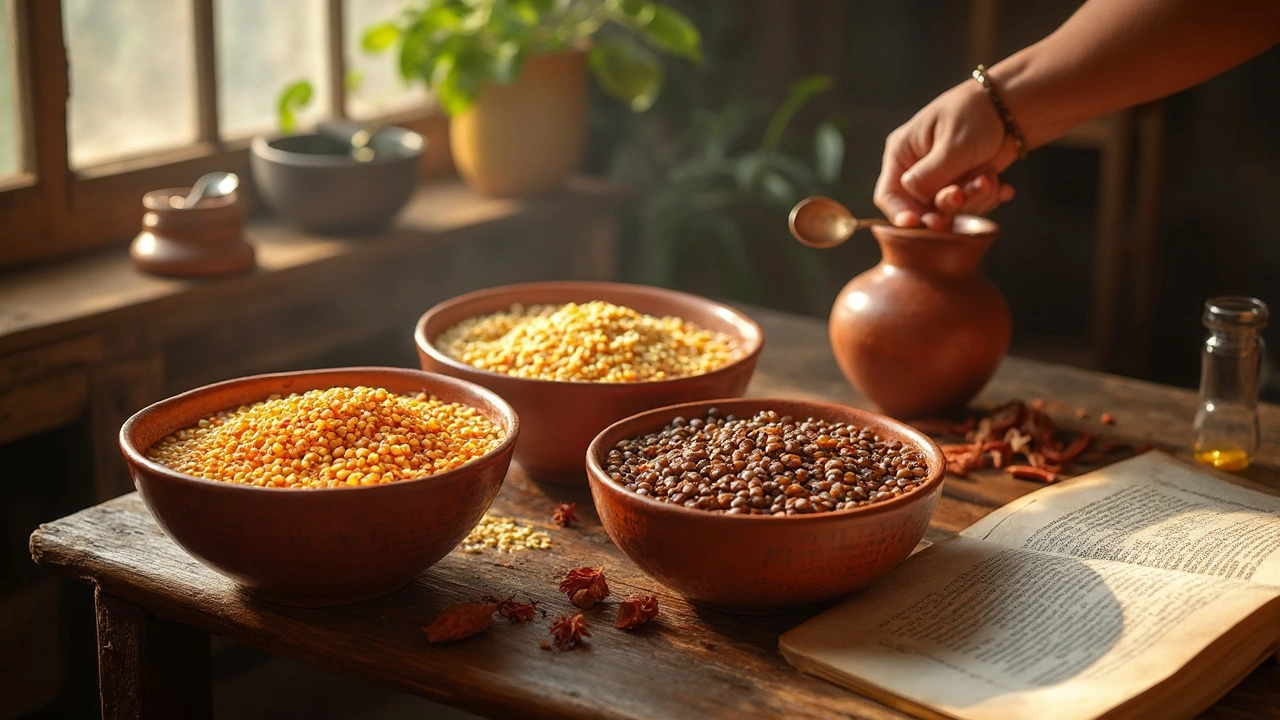
How Long Should I Soak Dal Before Cooking?
Soaking dal is crucial for reducing cooking time and enhancing flavor. With varying types of dal like chana, urad, and toor, each requires different soaking durations to achieve the best texture and taste. Learn how to correctly soak dal, save cooking time, and discover useful kitchen tips to bring out maximum flavor. This guide provides practical advice for making your dal recipes more delightful while maintaining nutritional value. Simplify your cooking process and enjoy the perfect bowl of dal.