Sikh Food Restrictions: What They Are and How They Shape Indian Cuisine
When people talk about Sikh food restrictions, the dietary guidelines followed by Sikhs based on religious principles, especially around meat consumption and ritual slaughter. Also known as Sikh dietary laws, it plays a key role in how food is prepared and shared in Sikh households and gurdwaras across India and the diaspora. Unlike some other faiths, Sikhism doesn’t demand vegetarianism—but it does draw a clear line on how animals are killed for food. The core rule? No meat slaughtered in the halal or kosher style. That means no meat from animals killed slowly, with prayers recited over them. Instead, Sikhs follow jhatka meat, meat from animals killed swiftly with a single strike, believed to minimize suffering and avoid ritualistic practices. This isn’t just about food—it’s about rejecting religious rituals tied to slaughter, a principle rooted in the teachings of Guru Gobind Singh.
Many assume all Sikhs are vegetarian, but that’s not true. In Punjab, where Sikh culture is strongest, you’ll find plenty of non-vegetarian dishes—especially tandoori chicken, kebabs, and curries made with jhatka meat. The difference isn’t in what’s eaten, but how it’s sourced. You won’t find halal-certified meat in a gurdwara langar, and most Sikh families avoid it at home too. This creates a unique space in Indian cuisine: dishes that are rich, spicy, and meat-heavy, yet completely separate from Islamic or Hindu ritual practices. It’s why you’ll see the same butter chicken recipe in a Sikh home and a Muslim home—but the chicken comes from different butchers. And while some Sikhs do choose vegetarianism for personal or health reasons, it’s never a religious requirement. The real boundary is the method of killing, not the presence of meat.
What’s often missed is how this affects everyday cooking. If you’re making a curry for a Sikh friend, you don’t need to go full vegetarian—but you do need to ask where the meat came from. Supermarkets in cities like Delhi or Toronto now label jhatka meat clearly, and butchers in Punjab advertise it with pride. In contrast, halal meat is often hidden behind generic terms like "fresh chicken" or "premium cuts." For Sikhs, that’s not just a preference—it’s a matter of faith. And because of this, many Indian restaurants serving Sikh communities have separate kitchens or clearly marked menus. This isn’t about exclusion—it’s about respect for belief.
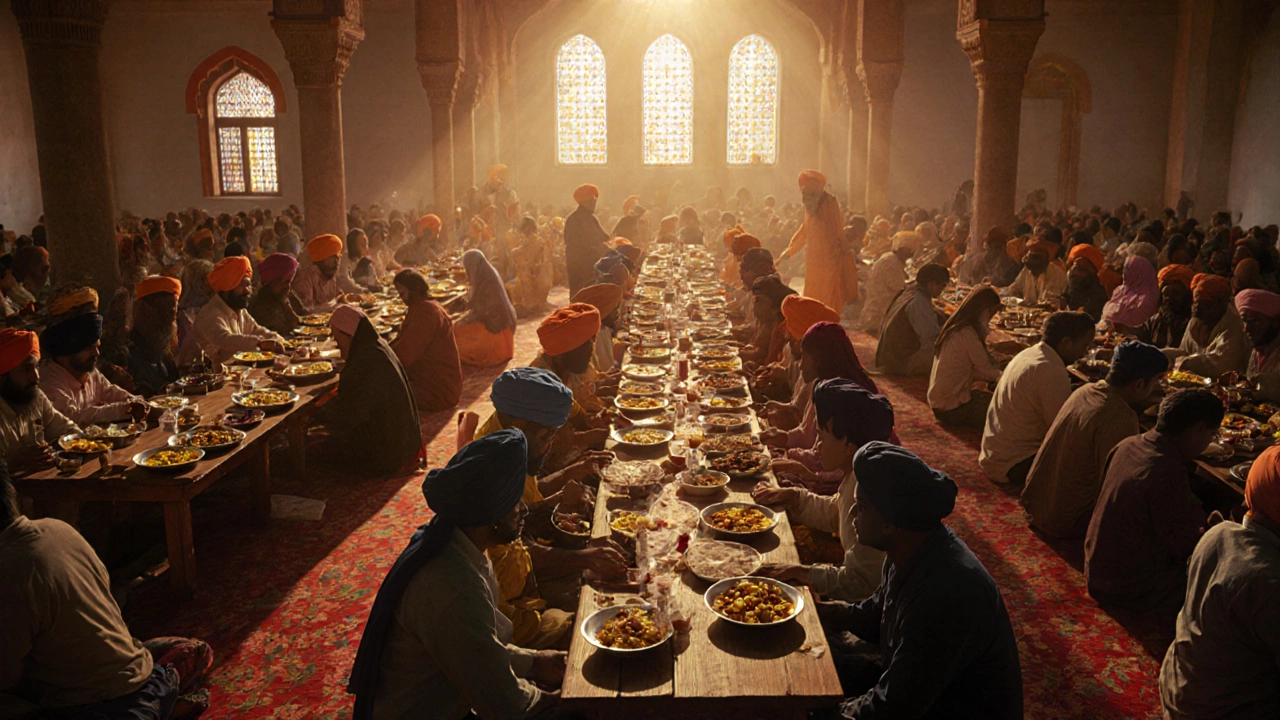
These restrictions also shape how food is served in community meals. The langar, the free kitchen found in every gurdwara, serves only vegetarian food—not because of Sikh doctrine, but to ensure no one is excluded. Hindus, Muslims, Christians, and atheists all sit together. So while jhatka meat is allowed at home, langar avoids meat entirely to keep the table open to everyone. That’s the beauty of it: personal belief doesn’t override community inclusion.
Below, you’ll find posts that explore the foods Sikhs eat, the myths around their diet, and how these rules quietly influence the flavors of North Indian cooking—from the spices in a chicken curry to the oil used for frying parathas. Whether you’re cooking for a Sikh friend or just curious about the real rules behind the food, these articles cut through the noise and show you exactly what matters.
Why Sikhs Avoid Eggs: Cultural and Religious Reasons Explained
Explains why many Sikhs avoid eggs, covering religious teachings, Langar tradition, regional variations, and practical cooking tips.