Religion and Diet: How Faith Shapes Indian Eating Habits
When you think about food in India, it’s not just about taste—it’s tied to belief. Religion and diet, the way spiritual beliefs directly control what people eat, avoid, and celebrate with food. This isn’t just tradition—it’s daily practice for hundreds of millions. In India, your faith often decides whether you eat meat, which spices you use, how food is prepared, and even who cooks it. You won’t find beef in a Hindu home because cows are sacred. You won’t see pork on a Muslim table because halal rules forbid it. And in a Sikh gurdwara, everyone eats the same simple meal—langar, a free community meal served to all, regardless of religion, caste, or status—because equality is baked into the food.
It’s not just about what’s forbidden. It’s about what’s holy. Many Hindus fast on certain days, eating only fruits, milk, or special grains like sabudana. Jain diets go even further—no root vegetables, because pulling them up might harm tiny life forms. Muslims in India follow strict halal, the Islamic method of slaughtering animals and preparing food that meets religious standards, and you’ll find halal-certified butchers in every major city. Christians in Goa might enjoy pork vindaloo during Christmas, while Parsis serve dhansak on special days, blending Persian and Indian flavors with their own rules. Even the way food is served matters: in many homes, food is eaten with the right hand only, because the left is considered unclean.
These aren’t old customs fading away—they’re alive in every kitchen, every market, every temple and mosque. You’ll see it in the way a Hindu family prepares a vegetarian feast for Diwali, or how a Muslim household spends hours slow-cooking biryani with halal meat and rose water. The food you find in Indian homes and restaurants isn’t random—it’s shaped by centuries of faith, geography, and community. What you eat isn’t just a choice. It’s a statement.
Below, you’ll find real stories and practical guides that show how religion quietly directs what’s on your plate—from why paneer is so common in Hindu meals to how egg safety concerns vary by community, and why some sweets are reserved only for festivals. This isn’t theory. It’s what people actually eat, every single day.
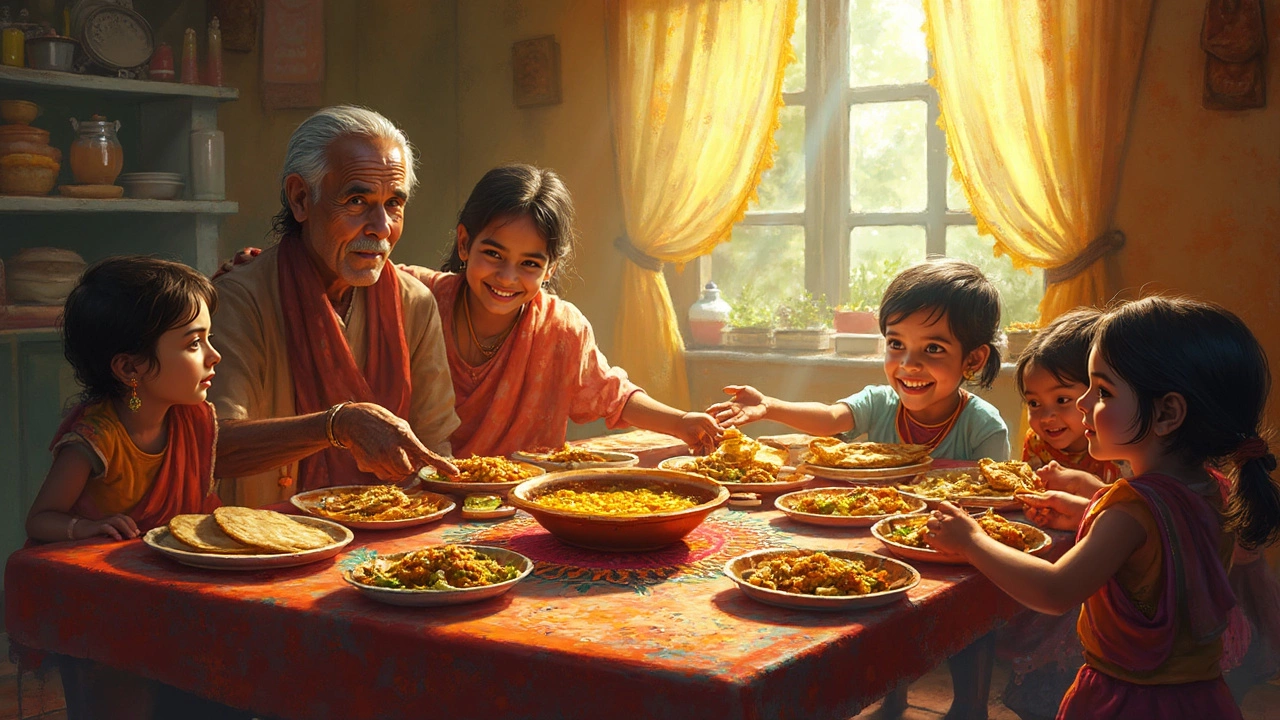
Understanding Religions and Vegetarianism: A Peek into Hinduism
Hinduism is a religion where a majority follow a vegetarian diet, deeply rooted in cultural and religious beliefs. This article explores why Hinduism embraces vegetarianism, unveiling various vegetarian dishes that are staples in this faith. Understand how these meals foster a harmonious relationship between spirituality and everyday life. From beloved classics like dal to special festival dishes, learn how vegetarianism connects deeply with the Hindu faith.