Regional Breakfast Dishes: True Flavors of India’s Morning Tables
When you think of regional breakfast dishes, authentic morning meals shaped by local ingredients, climate, and centuries of tradition across India. Also known as Indian morning food, these meals aren’t just about filling your stomach—they’re about culture, rhythm, and taste that changes every few hundred miles. Skip the generic idea of "Indian breakfast"—it doesn’t exist. In Kerala, people start the day with steamed idli and coconut chutney. In Punjab, it’s buttery parathas with curd and pickles. In Bengal, it’s panta bhat with fried hilsa. Each region has its own rules, its own flavors, its own way of waking up.
These dishes aren’t random. They’re built around what grows nearby, what’s easy to make before sunrise, and what keeps you full through a long day of work. The south leans on rice, lentils, and fermented batter because the climate supports it. The north uses wheat, ghee, and dairy because the land and livestock do. And in the east, rice and fish are inseparable—even at breakfast. You won’t find a single recipe that works across all of India, and that’s the point. The South Indian breakfast, centered on fermented rice and lentil batters, steamed or fried, often served with coconut-based chutneys. Also known as idli-dosa breakfast, it’s a daily ritual in Tamil Nadu and Karnataka. Meanwhile, the North Indian breakfast, dominated by wheat flatbreads, dairy, and spiced potatoes, often eaten with yogurt or pickles. Also known as paratha breakfast, it’s the kind of meal that sticks to your ribs through a cold morning in Delhi or Lucknow. These aren’t just food—they’re identity.
What you’ll find in the posts below isn’t a list of recipes. It’s a tour of real kitchens, real tables, real mornings across India. You’ll see why some rotis puff up and others don’t, how chutney is more than a condiment, and why paneer shows up in breakfasts even though it’s not cheese. You’ll learn what makes a dosa crisp, why certain spices are used at dawn, and how a simple bowl of poha can carry a whole region’s history. No fluff. No guesswork. Just the truth behind what Indians eat before the sun climbs high.
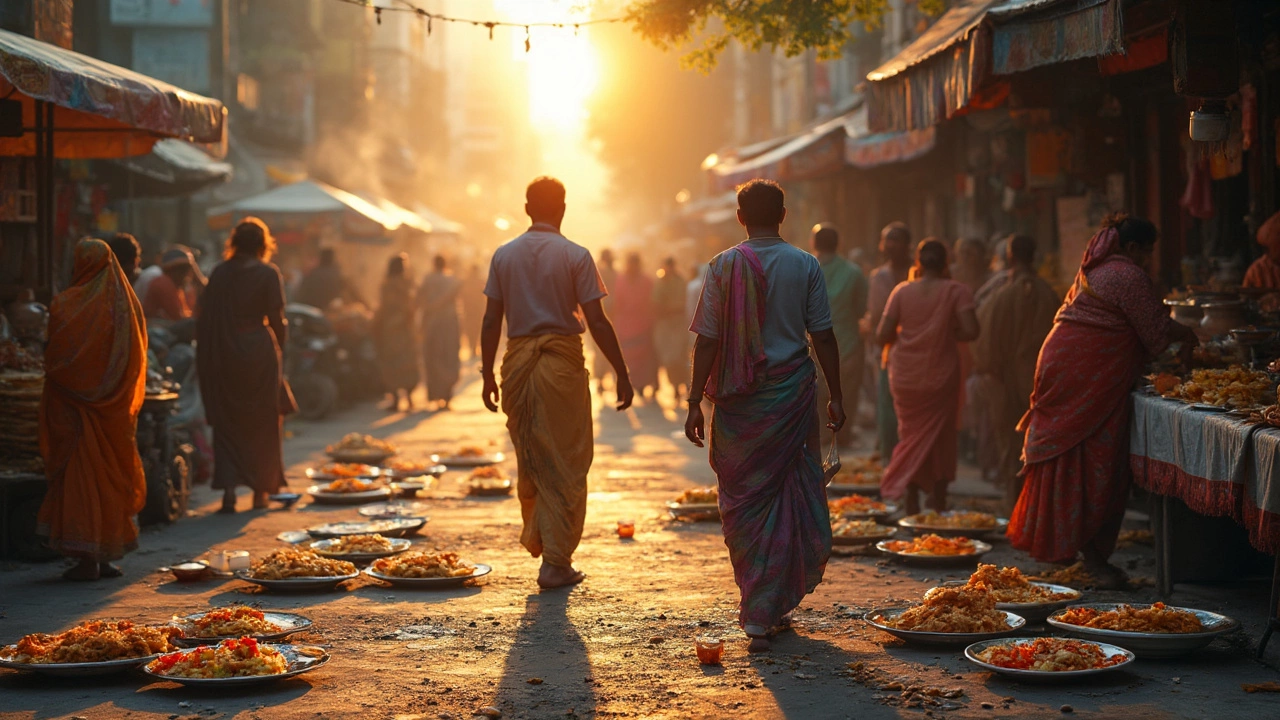
Most Foodie State in India: Breakfast Rivalries and Iconic Morning Eats
India is full of foodie regions, but which state truly tops the charts for epic breakfasts? This article compares how different states show off their food obsession, especially at breakfast time. Find out what makes a state 'foodie,' how breakfast culture shifts from north to south, and get some super practical tips on trying regional morning specials yourself. If you want to eat like a local, or just want to shake up your breakfast, you’ll come away inspired. Real stories, unique dishes, and useful food hacks included.