The Most Important Spice in Curry
When people ask what the most important spice in curry is, they’re usually looking for a single answer—like turmeric or cumin. But here’s the truth: no single spice makes a curry. It’s the cumin, a warm, earthy seed that forms the base of most Indian spice blends that wakes up the palate, the coriander, a citrusy, slightly sweet powder that balances heat and depth, and the turmeric, the golden root that gives curry its color and subtle bitterness that hold it all together. You can skip one of them, but if you miss all three, your curry won’t taste like Indian food—it’ll just taste like spiced meat and vegetables.
Think of these three like a trio in a band. Cumin is the bassline—deep, grounding, always there. Coriander is the melody—it lifts the dish, adds brightness, and keeps it from getting too heavy. Turmeric is the harmony—it doesn’t shout, but without it, everything feels off. That’s why recipes that say "add a pinch of turmeric" aren’t being lazy. They’re trusting you to understand that it’s not about flavor alone—it’s about balance. And that’s why you’ll find these three in nearly every post here: from chicken curry secrets to biryani aromas, they’re the invisible backbone. Even when a recipe uses garam masala or curry powder, it’s just a pre-mixed version of these same three, plus a few extras.
What you won’t find in most cookbooks is how to use them right. Toasting cumin seeds before grinding? That’s not optional—it turns them from flat to fragrant. Adding coriander too early? It burns and turns bitter. Skipping turmeric because you’re worried about staining? You’re losing the soul of the dish. These aren’t just ingredients—they’re tools. And like any tool, you need to know how to handle them. The posts below show you exactly how: from fixing flat roti to making perfect chicken curry, every recipe here builds on this foundation. You’ll see how the same spices behave differently in tandoori chicken versus a simple dal. You’ll learn why some people swear by Kashmiri chili over paprika, and why lemon juice isn’t just for sourness—it’s a flavor enhancer that ties everything back to the core spices. This isn’t about memorizing recipes. It’s about understanding what makes Indian cooking work—and how to make it taste like home, no matter where you are.
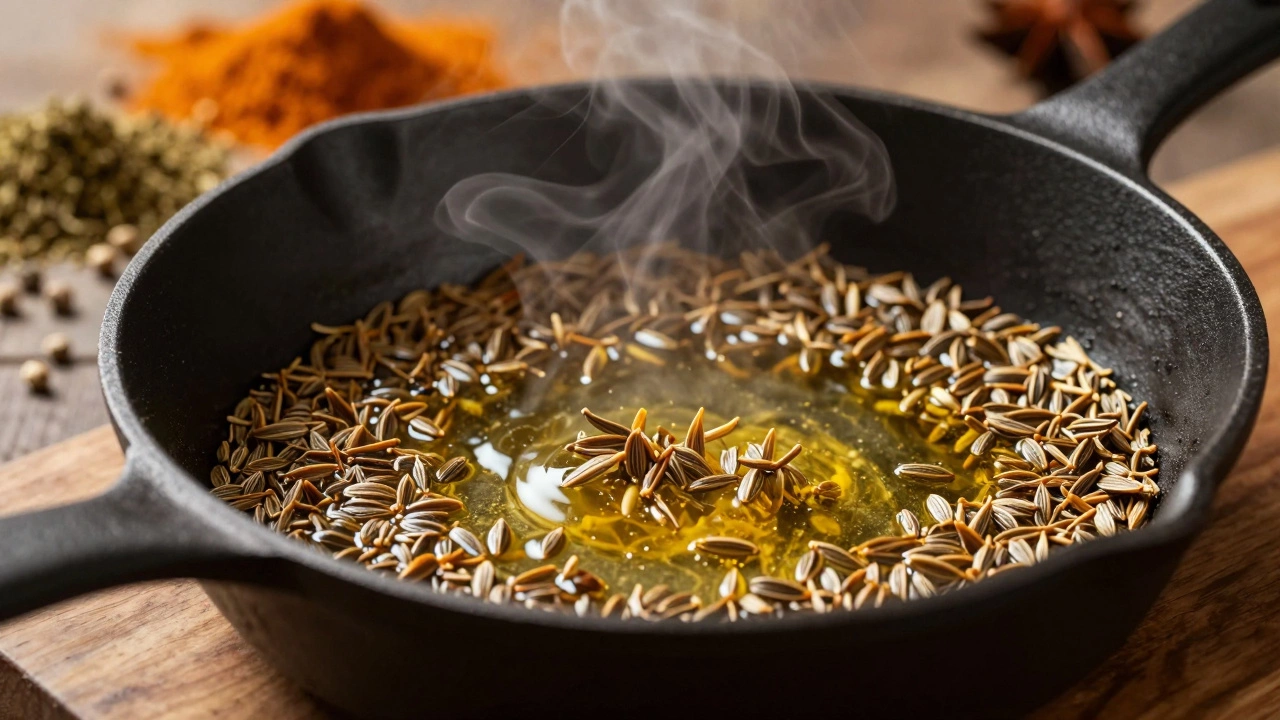
What Is the Most Important Spice in Curry? The One Spice That Changes Everything
Cumin is the most important spice in chicken curry - it's the foundation of flavor that ties together every other ingredient. Learn why it's non-negotiable and how to use it right.