Healthy Indian Snacks
When you think of healthy Indian snacks, nutritious, flavorful bites rooted in Indian kitchen traditions that balance taste and wellness. Also known as light Indian appetizers, these snacks aren’t just about cutting calories—they’re about choosing the right ingredients, cooking methods, and spices that make food satisfying without weighing you down. Forget the fried samosas and sugary sweets you’ve been told are "traditional." Real healthy Indian snacks are built on lentils, whole grains, vegetables, and spices like turmeric and cumin that do more than flavor—they support digestion, reduce inflammation, and keep energy steady all day.
Many of these snacks come from home kitchens, not restaurants. Think moong dal cheela, a savory pancake made from split mung beans, high in protein and easy to digest, or roasted chana, crunchy chickpeas spiced with black salt and chili, a staple in Indian households for a quick, filling bite. These aren’t trendy fads—they’ve been eaten for generations because they work. They don’t need fancy equipment. You don’t need to buy special ingredients. Just a pan, some spices, and basic pantry staples. And unlike store-bought chips or bars, they don’t come with hidden sugars, preservatives, or trans fats.
What makes Indian snacks so adaptable to healthy eating? It’s the culture of using spices as medicine. Turmeric fights swelling. Ginger aids digestion. Cinnamon helps balance blood sugar. Even simple things like yogurt-based dips (raita) or cucumber slices with chaat masala become part of a balanced snack routine. You don’t have to give up flavor to eat well. In fact, the bolder the spice, the less you need to rely on oil or salt to make food taste good.
And it’s not just about what you eat—it’s how you eat it. Many healthy Indian snacks are meant to be shared, eaten slowly, and paired with tea or water. That rhythm matters. It’s not about snacking mindlessly between meals. It’s about choosing food that keeps you full longer, fuels your afternoon, and doesn’t crash your energy by dinner time.
Below, you’ll find real recipes and tips from people who cook these snacks every day. Whether you’re looking for a gluten-free option, a high-protein bite, or something that won’t spike your blood sugar, the collection here covers what actually works. No fluff. No gimmicks. Just the kind of snacks your grandmother might have made—if she cared about keeping things light without losing taste.
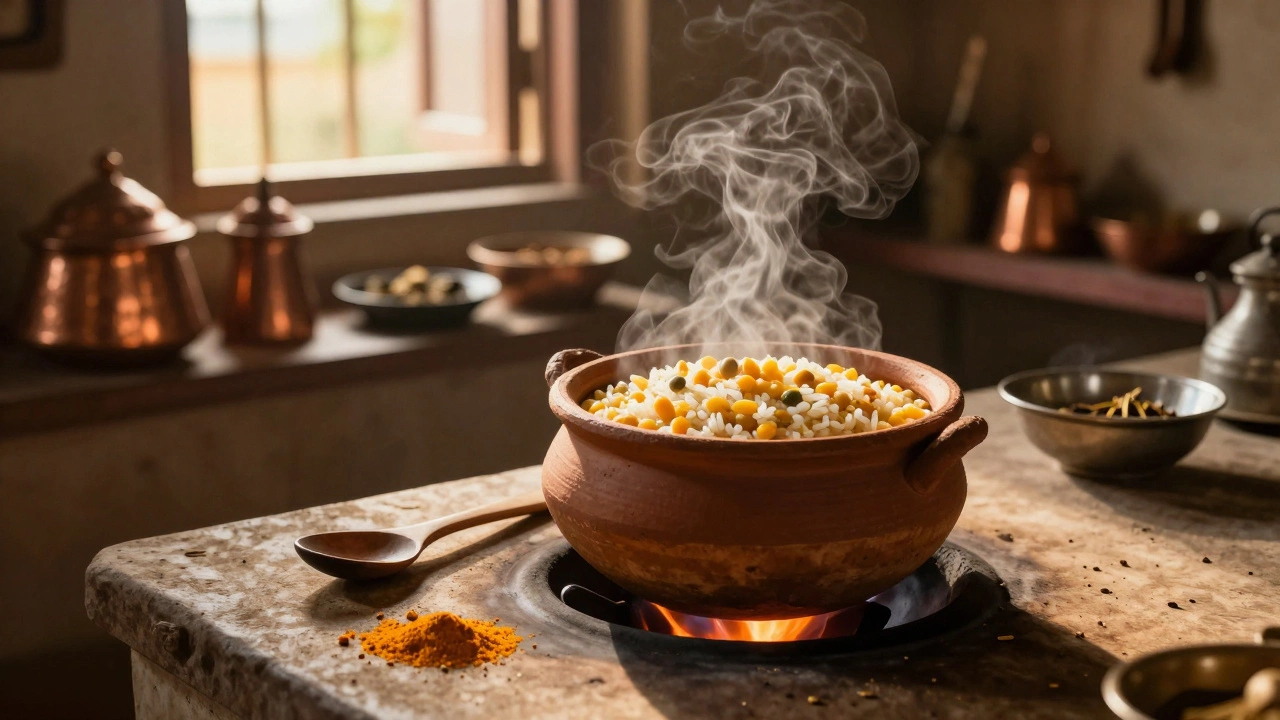
What Is the Healthiest Indian Dish? Top Nutrient-Rich Options Explained
Discover the healthiest Indian dishes that are nutrient-dense, low in unhealthy fats, and perfect for everyday eating. From khichdi to moong dal chilla, learn which traditional meals truly support wellness.
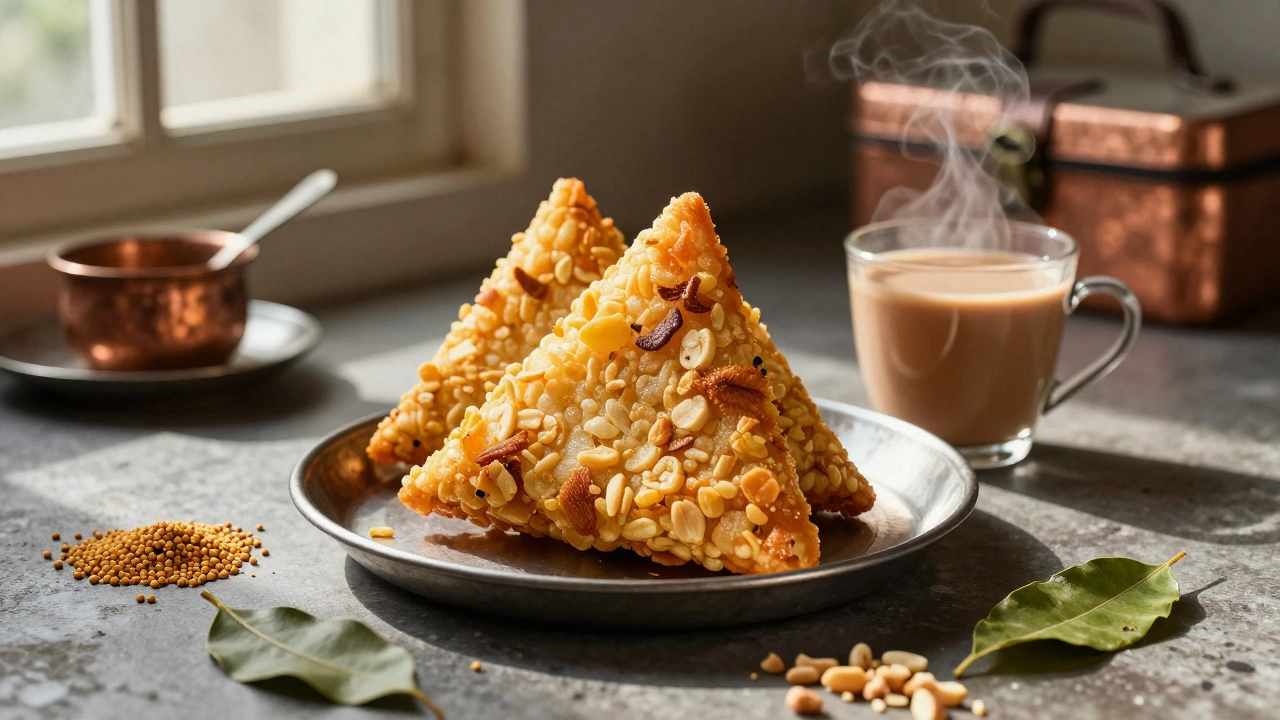
What Is the India Triangle Snack? A Healthy, Traditional Bite You Need to Try
The India Triangle snack is a traditional, healthy Indian snack made from flattened rice, peanuts, and spices. Crispy, gluten-free, and naturally low in sugar, it's a wholesome alternative to processed snacks.
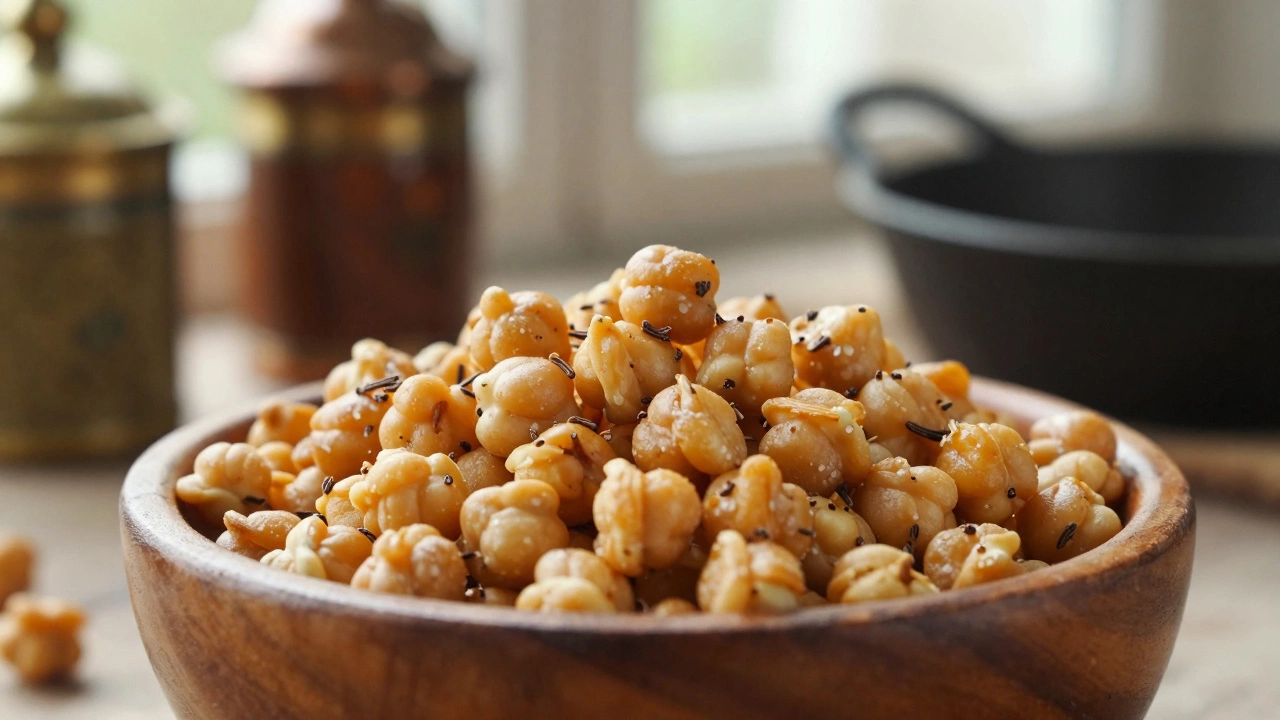
What Is the Healthiest Crispy Snack? Top Indian Options Without Compromise
Discover the healthiest crispy snacks from India - roasted chana, baked makhana, and more - without frying or artificial ingredients. Learn what to avoid and how to make them at home.
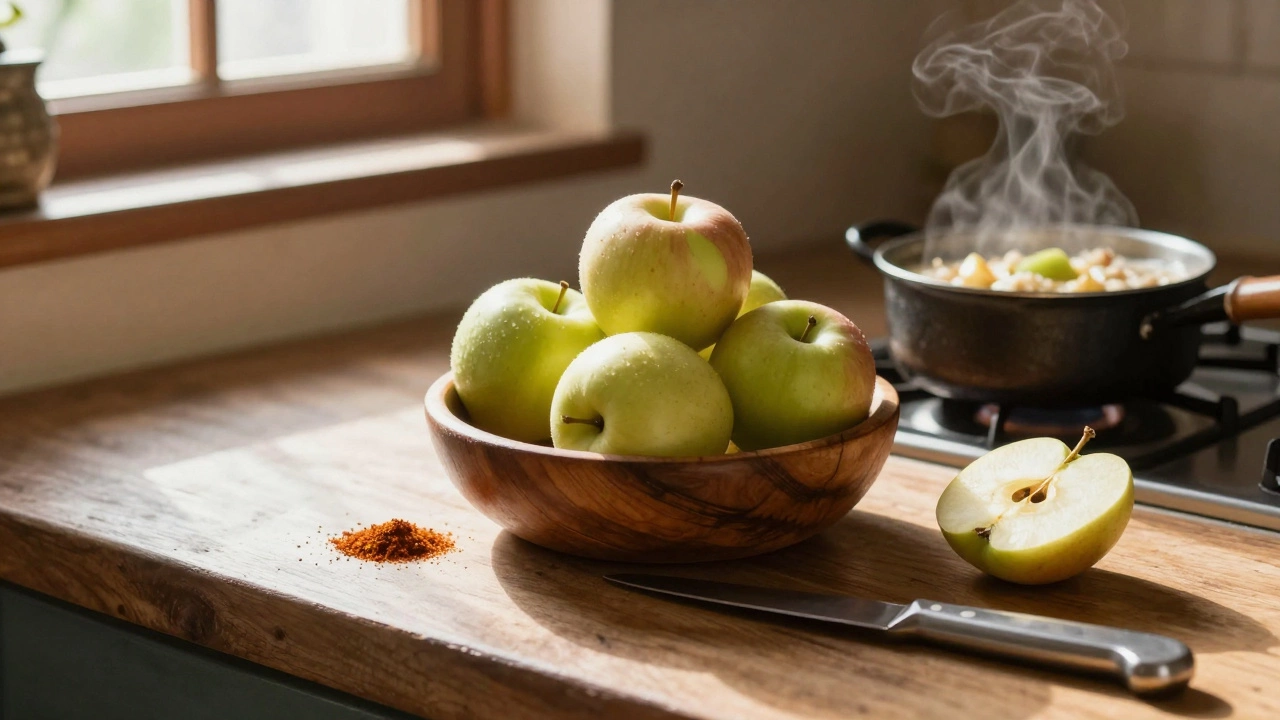
What Fruit Is Okay to Eat Every Day for Healthy Indian Snacks
Learn which fruits are safe to eat every day as healthy Indian snacks-apples, guava, citrus, and more-plus which ones to limit. Simple, science-backed choices for better energy and digestion.
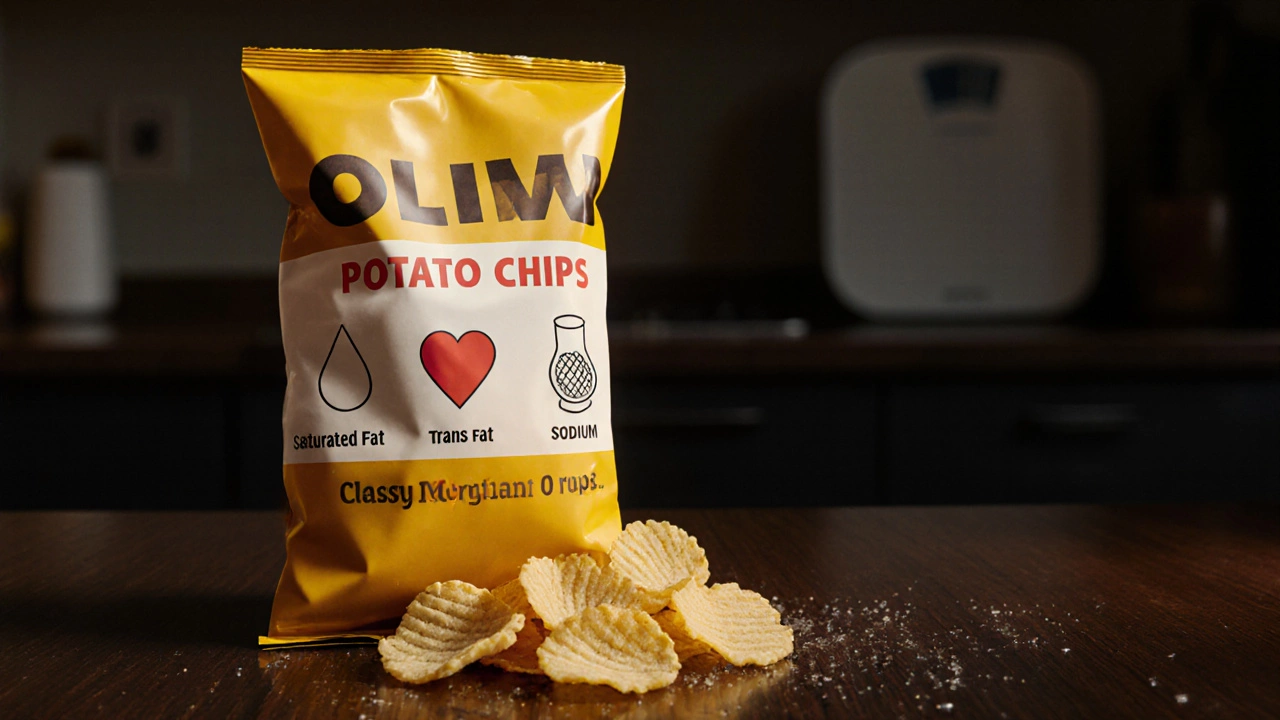
Why Potato Chips Top the List as the World's Unhealthiest Food
Discover why potato chips are labeled the #1 unhealthy food worldwide, learn their health impacts, and explore healthier Indian snack alternatives.
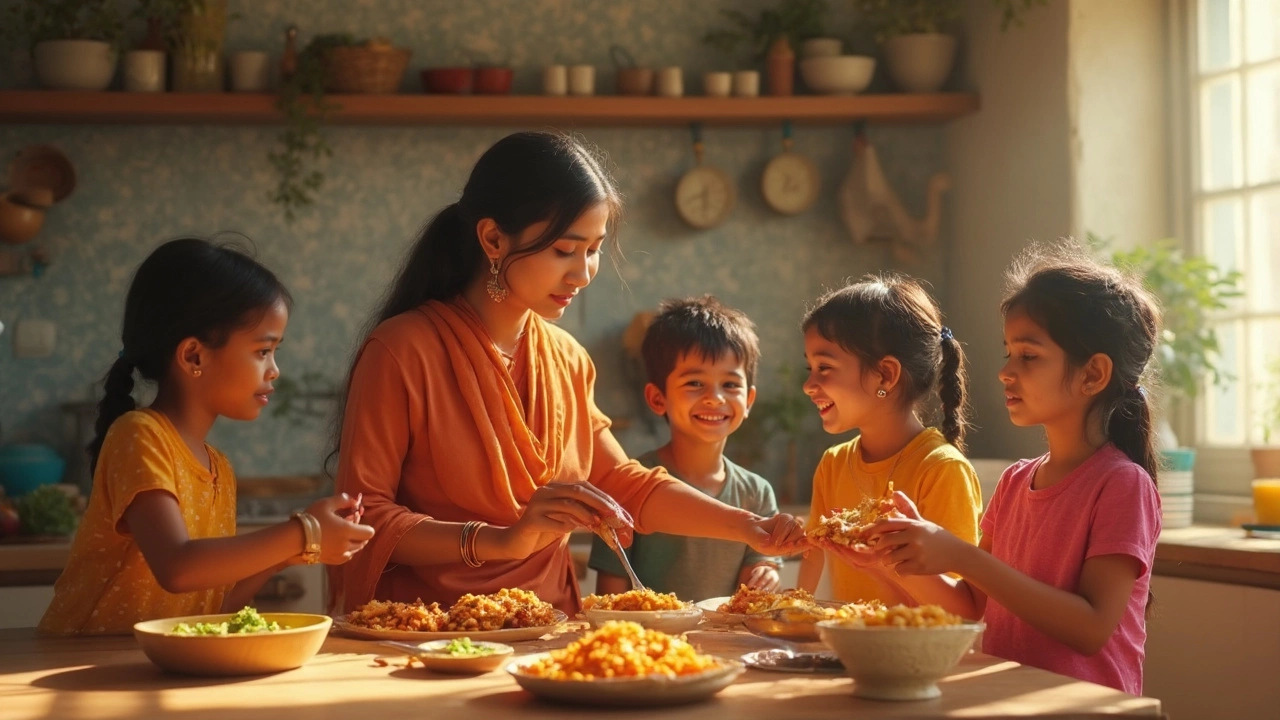
King of Snacks in India: Healthy Choices That Rule
Snacking is huge in India, but most people don't realize how many healthy options are hiding in plain sight. This article dives into what makes a snack the 'king' in Indian kitchens and street corners. You'll find easy tips for making classic munchies healthier, surprising trivia you probably never guessed, and honest advice to upgrade your own snack habits. Discover what healthy snack truly rules India, and why some old favorites deserve the crown. Perfect if you want to snack smarter while still loving every bite.
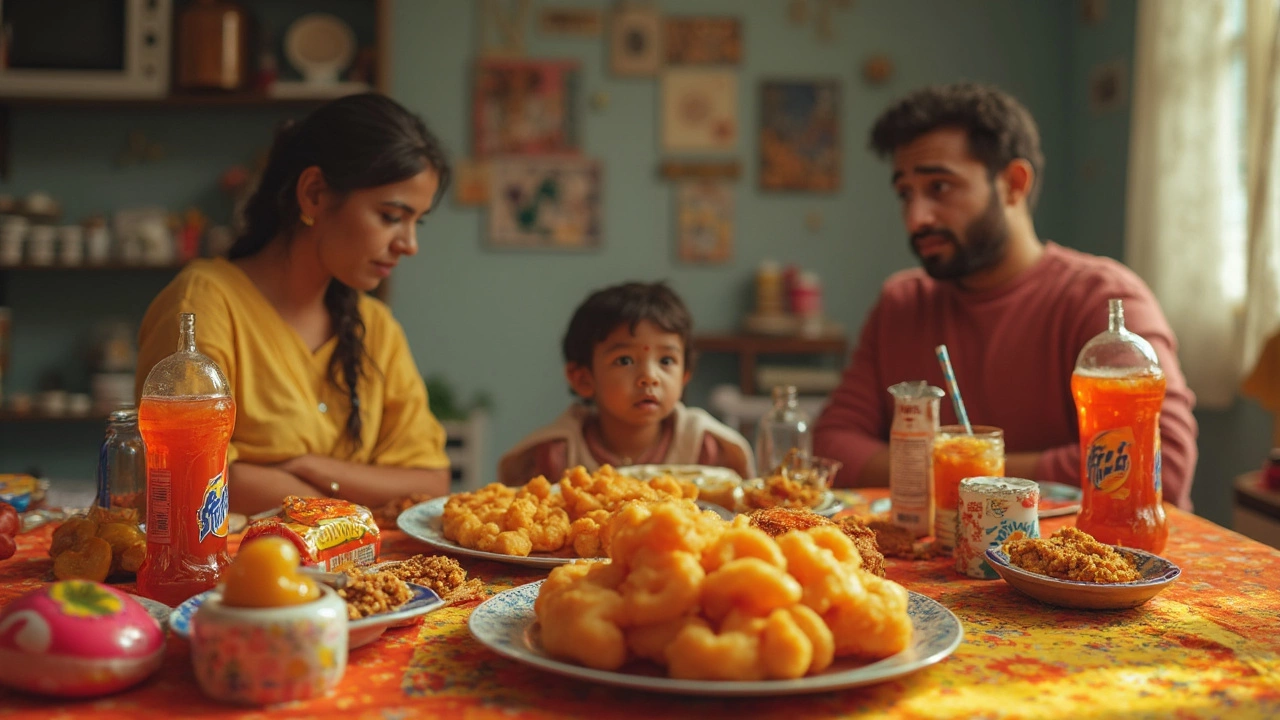
What is the Most Unhealthiest Food in the World? Healthy Indian Snack Picks
Everyone loves a tasty snack, but not all treats are kind to your body. This article digs into what makes some foods the worst for your health—think deep-fried, sugar-packed, and processed. You'll find out what food experts say is the king of bad-for-you eats, and why it gets that reputation. Plus, you'll see tasty Indian snack swaps that won't wreck your health. Save your cravings with smarter choices.
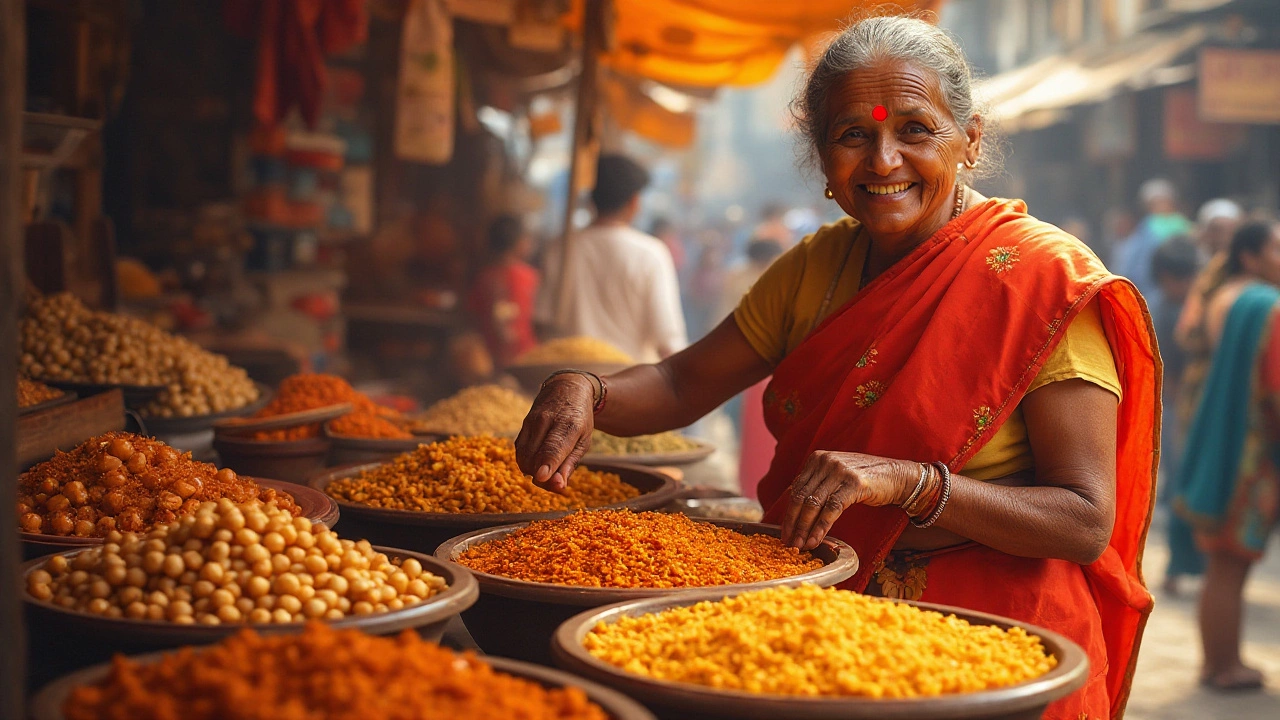
Exploring the Healthiest Indian Snacks
Indian snacks offer a vibrant tapestry of flavors and textures, and among them, some stand out for their health benefits. From protein-rich options to fiber-packed delights, these snacks cater to both taste and nutrition. This article delves into a selection of the healthiest Indian snacks, offering insights into their health benefits and preparation methods. Discover how traditional recipes can be modified for modern health needs.