Dosa Batter: How to Make It, Use It, and Get It Right Every Time
When you think of a perfect dosa batter, a fermented mixture of rice and lentils that becomes crispy, light, and slightly sour when cooked. Also known as dosa batter mix, it’s the foundation of one of India’s most beloved breakfast foods. It’s not just rice and dal blended together—it’s a living thing. Left to ferment overnight, it bubbles, expands, and transforms into something that fries up golden and crisp on a hot griddle. This isn’t magic. It’s science, tradition, and a little patience.
What makes dosa batter different from other batters? It’s the fermentation, a natural process where wild yeasts and bacteria break down starches into gases and acids, giving the batter lift and tang. You can’t rush it. Cold kitchens? It’ll take longer. Hot climates? It might be ready in 8 hours. The right ratio—usually 3 parts rice to 1 part urad dal—is key. Too much dal and it turns gummy. Too little and it won’t puff. And don’t skip the salt—it doesn’t just season, it helps control the fermentation. This batter also needs the right oil. coconut oil, a traditional choice for dosa that adds subtle sweetness and helps crisp the edges works better than neutral oils. Ghee? Yes, but it’s richer. Sesame? Bold, but not for beginners. The oil you choose doesn’t just affect taste—it affects texture.
People often think dosa batter is only for dosas. But once you master it, you can make idli, uttapam, pesarattu, even fermented pancakes. It’s the same batter, just cooked differently. The real trick? Consistency. It should flow like thick cream—not too thick, not too runny. If it’s too thick, add water. If it’s too thin, let it rest longer. And if it smells sour but not rotten? That’s good. If it smells like alcohol or mold? Pitch it. Fermentation is forgiving, but not limitless.
You’ll find recipes here that show you how to make batter from scratch, how to fix a failed batch, and which oils give you the crispiest results. You’ll also see how regional variations—like adding fenugreek seeds or soaking rice overnight—change the flavor. Some folks use leftover rice. Others grind it fresh. Some ferment in clay pots. Others use the oven on low. All of it works. The point isn’t to follow one way. It’s to understand why each step matters.
There’s no single ‘right’ dosa batter. But there are plenty of wrong ones. And now you know what to look for.
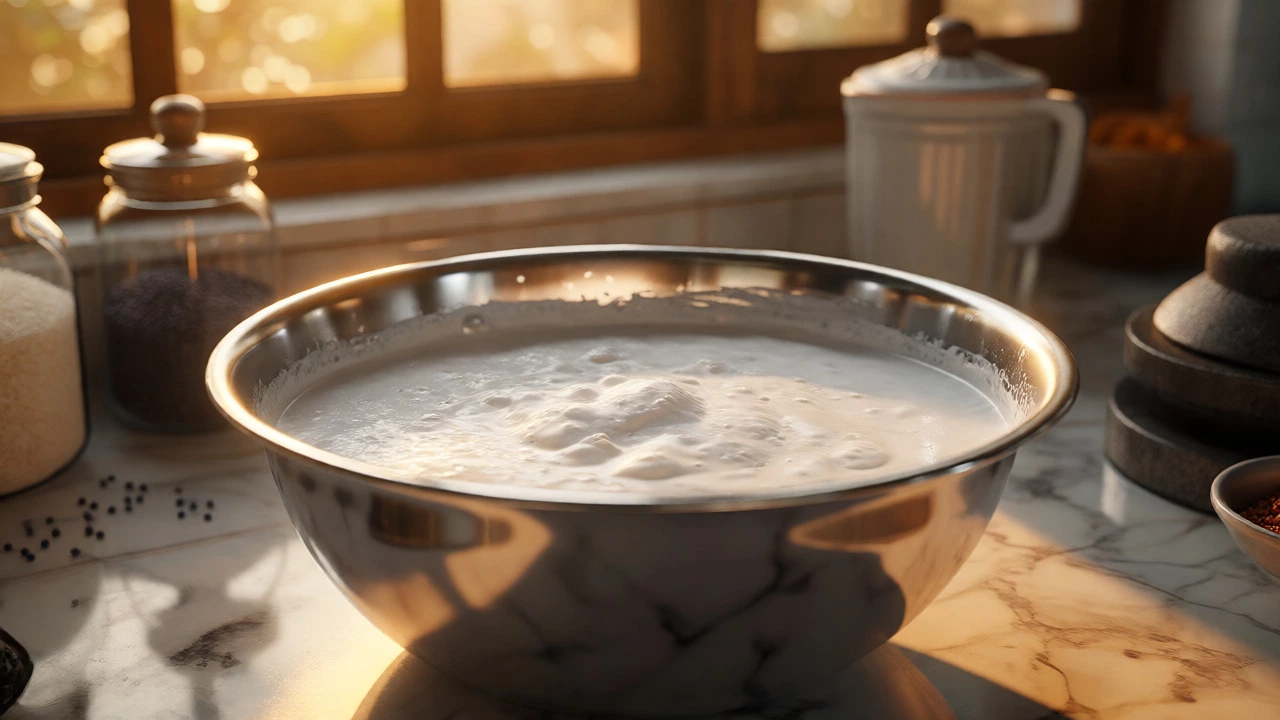
Why Is My Dosa Batter Not Fluffy? Fixing Fermentation Issues
Struggling with flat, dense dosas? Discover the real reasons behind failed fermentation, from temperature traps to ingredient ratios, and learn how to achieve perfectly fluffy results.

Should I Add Salt Before Fermenting Dosa Batter? The Science Behind Timing and Taste
Adding salt before fermenting dosa batter can kill good bacteria and prevent rising. Learn why waiting until after fermentation gives you crisp, fluffy dosas every time-even in cool climates.
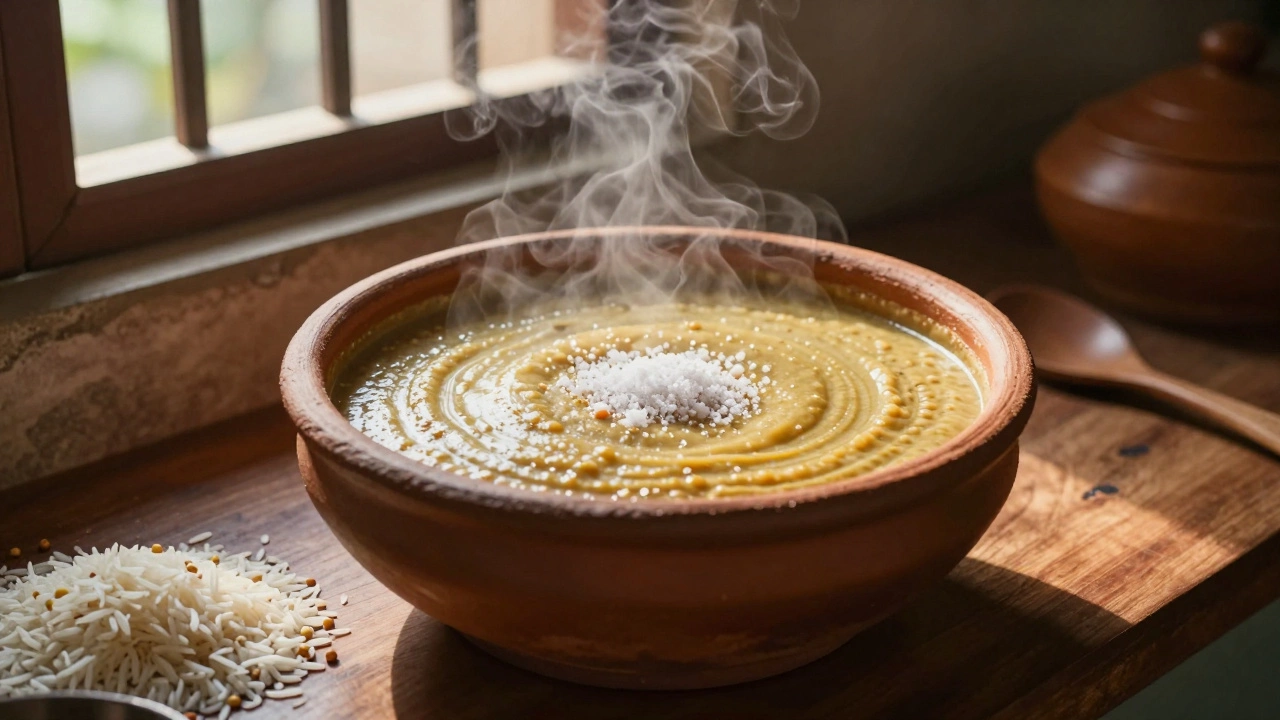
Should We Add Salt to Dosa Batter? The Science Behind the Flip
Adding salt to dosa batter isn't optional - it's essential for flavor and fermentation. Learn the right amount, timing, and type of salt to use for perfect, crispy dosas every time.

Why Your Dosa Batter Turns Rubbery: Causes, Fixes, and Pro Tips
Discover why dosa batter turns rubbery, how to fix it, and expert tips for perfect crispy dosas every time at home.
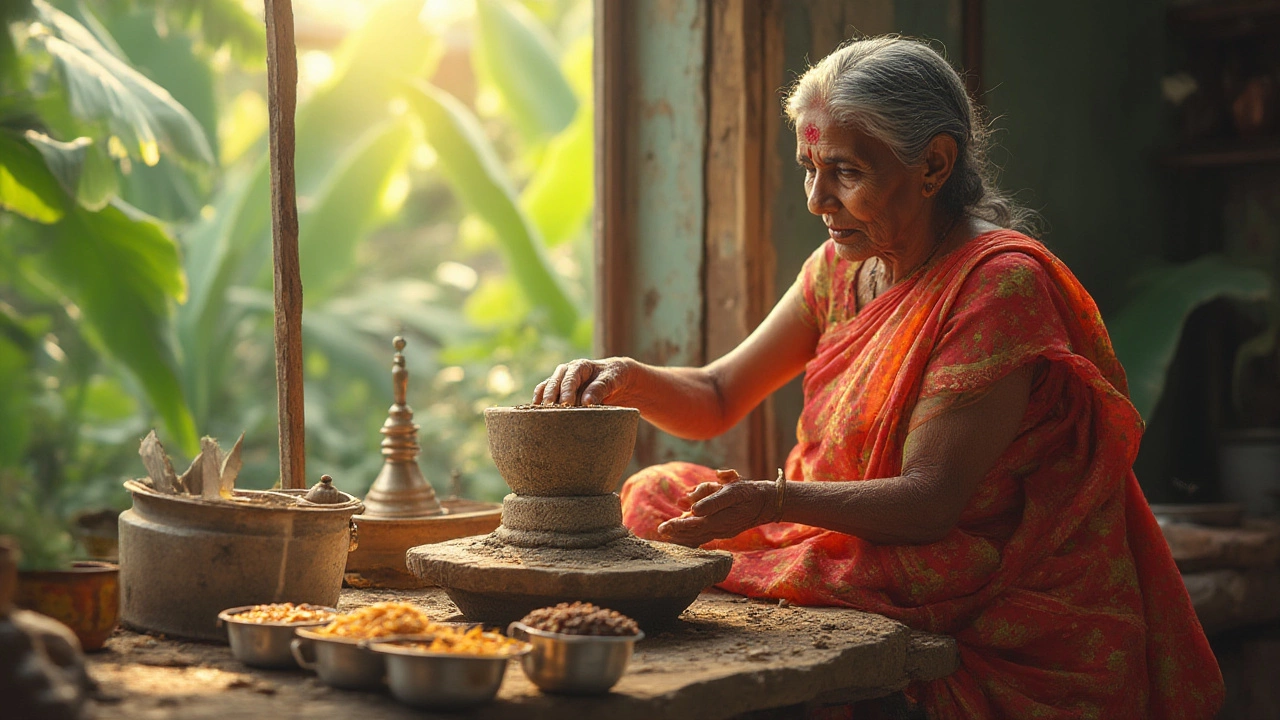
Dosa Batter Ingredients: Secrets for Authentic Indian Crepes
Discover what dosa batter is really made of, how it transforms with fermentation, and the secrets to preparing perfect dosas at home. Dive deep into its South Indian roots.
How to Tell If Dosa Batter Has Gone Bad: Easy Signs and Tips for Freshness
Ever wondered if your dosa batter is still good to use? This guide reveals the unmistakable signs of spoiled dosa batter, including smell, appearance, and taste. Learn expert tips to keep your batter fresher for longer and avoid any kitchen disasters. Get the facts, practical methods, and insider tips for perfect dosas every time. Don't risk your breakfast—know exactly what to check for before you put that pan on the stove.

Is Adding Yeast to Dosa Batter a Good Idea?
Exploring the idea of adding yeast to dosa batter can spark a lively debate. Traditionally, dosa batter relies on a natural fermentation process, but yeast might offer a quicker alternative. While yeast is not part of the conventional recipe, it may impact texture and taste. This article examines whether introducing yeast into the dosa-making process is a culinary innovation or a recipe faux pas.
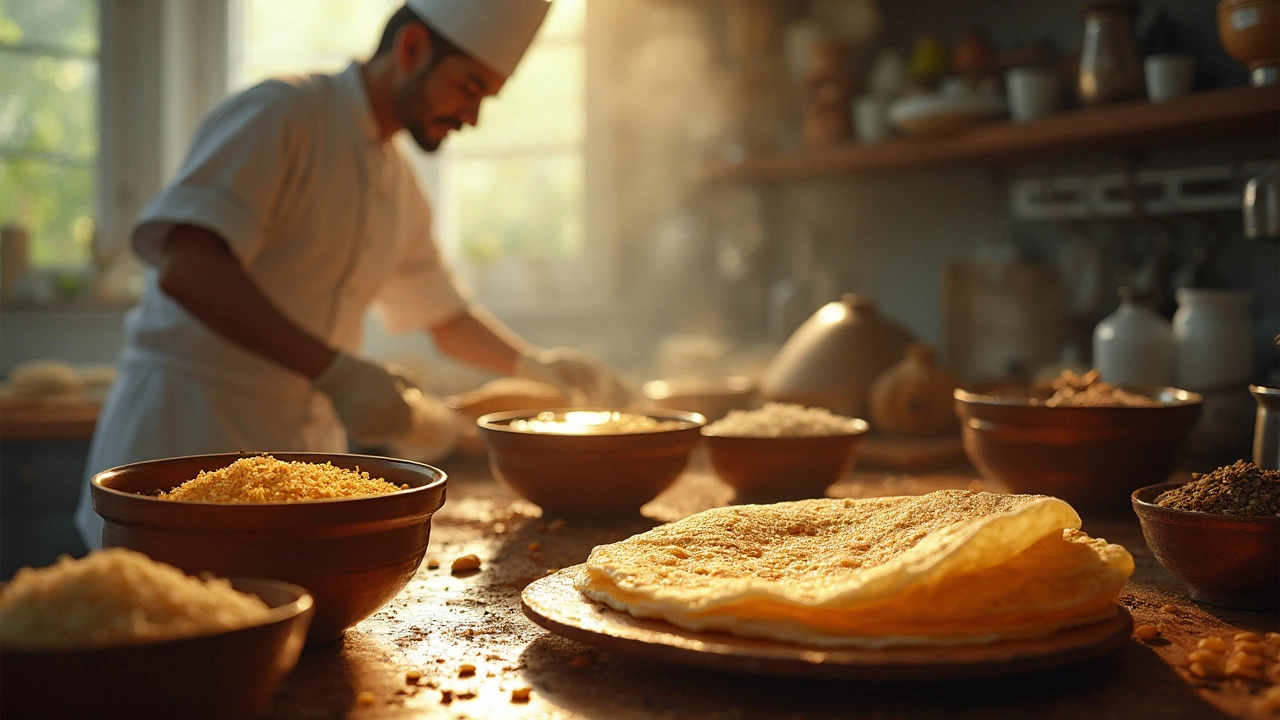
Why Crispy Dosa Batter Texture Eludes You: Common Mistakes and Fixes
Crispiness in dosa can be elusive, often hampered by simple mistakes in batter preparation or fermentation. If your dosa batter isn't yielding the crispiness you're aiming for, fear not, there are solutions and hacks to achieve that perfect texture. This article delves into common missteps like incorrect proportions, improper fermentation, and the role of ingredients. We’ll explore practical tips and tricks for achieving crispy, mouth-watering dosas every single time. Discover how factors like temperature and cooking techniques can make or break your dosa experience.
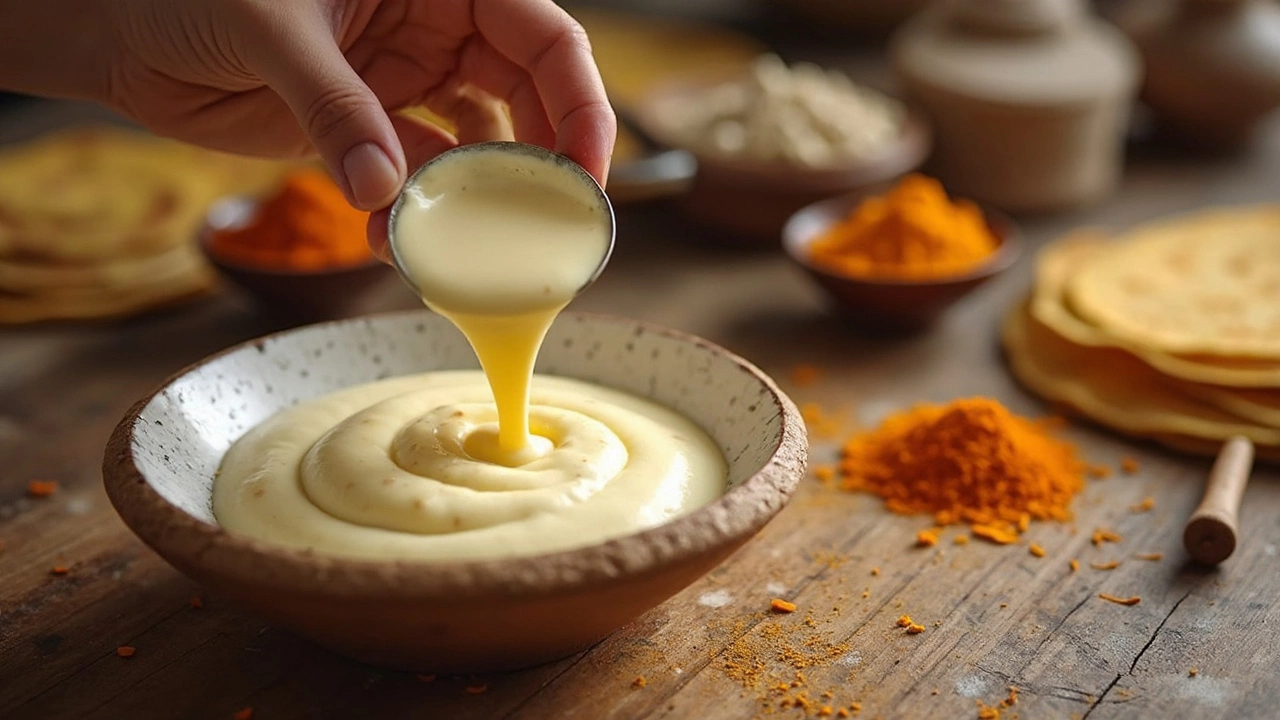
Why We Add Curd to Dosa Batter: The Secret Ingredient for Perfect Dosas
Adding curd to dosa batter is a common practice, but have you ever wondered why? It turns out, curd serves as a natural fermenting agent, enhancing texture and flavor. This process not only speeds up fermentation but also boosts the tanginess, essential for a delicious dosa. Let's explore how this addition makes a significant difference to your batter and ultimately, your dosas.