Classic Indian Breakfast: Authentic Morning Meals You Need to Try
When you think of a classic Indian breakfast, a hearty, spiced, and deeply satisfying morning meal rooted in regional traditions. Also known as Indian morning food, it’s not just about eating—it’s about starting the day with flavor, texture, and culture. Unlike Western breakfasts that often stick to toast or cereal, Indian mornings are loud with sizzling oil, the steam of idlis, and the crunch of freshly fried puris. Each state has its own signature dish, shaped by climate, crops, and centuries of cooking wisdom.
At the heart of this tradition are dishes like masala dosa, a fermented rice and lentil crepe stuffed with spiced potatoes, which comes from South India but is loved nationwide. Then there’s poha, flattened rice cooked with mustard seeds, curry leaves, and peanuts, a quick, light option from Maharashtra that’s ready in 10 minutes. North India leans into paratha, flaky whole wheat flatbreads stuffed with potatoes, paneer, or cauliflower, often served with yogurt or pickles. And let’s not forget idli and sambar—the steamed rice cakes and lentil stew combo that’s the breakfast of choice for millions in Tamil Nadu and Karnataka. These aren’t just meals. They’re daily rituals passed down through generations.
What ties them all together? A balance of carbs, protein, spice, and tang. Most of these dishes use fermented grains or legumes, which make them easier to digest and richer in nutrients. You won’t find sugary cereals here. Instead, you’ll get the umami punch of tamarind, the heat of green chilies, the crunch of fried curry leaves, and the coolness of coconut chutney. Even the drinks matter—filter coffee in the south, sweet lassi in the north. It’s all designed to energize without weighing you down.
And if you’ve ever wondered why some Indian breakfasts include potatoes or why roti doesn’t always show up, it’s because these meals aren’t one-size-fits-all. They’re shaped by what grows locally, what’s affordable, and what tastes right at sunrise. That’s why you’ll find a different spread in Punjab than in Kerala, and why a street vendor’s poha might taste better than your kitchen version. The secret isn’t in fancy ingredients—it’s in technique, timing, and tradition.
Below, you’ll find real posts that break down exactly how to make these dishes work at home, why certain ingredients matter, and how to fix the most common mistakes—like flat dosas, soggy idlis, or bland parathas. Whether you’re new to Indian cooking or just want to nail your morning routine, you’ll find practical tips that actually work.
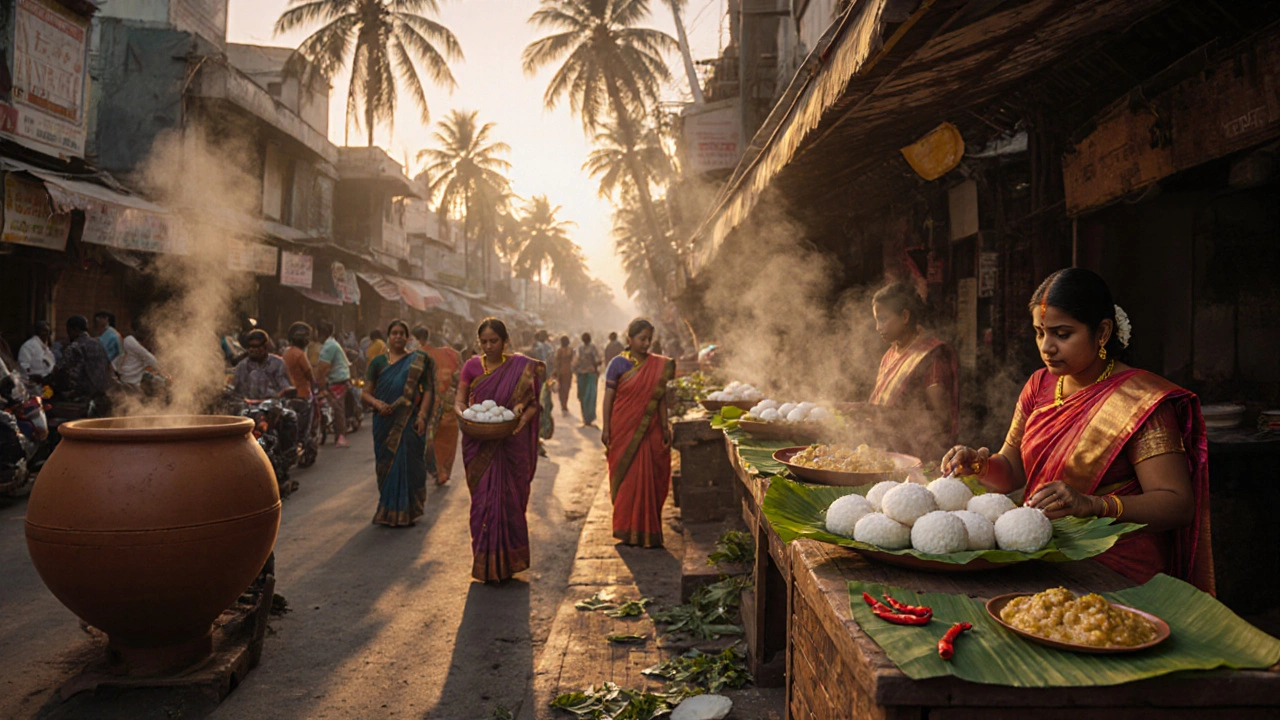
What Is a Classic Indian Breakfast? Traditional Morning Meals Across India
Classic Indian breakfasts vary by region-from steamed idli in the south to parathas in the north. These meals are rooted in tradition, nutrition, and local ingredients, not just taste.