Roti Storage Calculator
Calculate Freshness Time
Enter your storage method and conditions to get the maximum time your roti will stay fresh
Results
Nothing ruins a good meal faster than a soggy roti. You’ve spent time kneading the dough, rolling it thin, and cooking it just right-only for it to turn limp and sticky when stacked or stored. This isn’t just about texture; it’s about preserving the warmth, flavor, and authenticity of homemade roti. The problem isn’t your recipe-it’s what happens after the roti leaves the tawa.
Why Roti Gets Soggy
Roti turns soggy because of trapped steam. When you stack hot rotis on top of each other, the moisture released during cooking doesn’t escape. Instead, it gets absorbed back into the bread. This is especially common if you cover them with a lid, wrap them in foil, or pile them up before they’ve cooled slightly. Even storing them in an airtight container while warm guarantees sogginess.
Another factor is dough hydration. If your dough has too much water, the roti will release more moisture as it cools. Over-kneading can also create a tighter gluten structure that holds onto water instead of letting it evaporate during cooking.
Tip 1: Let Each Roti Cool Slightly Before Stacking
Don’t rush. As soon as a roti comes off the tawa, place it on a clean, dry surface-not directly on top of another. Let it sit for 30 to 60 seconds. This lets the surface dry out a little, so the steam doesn’t immediately soak into the next one. You’ll notice the roti loses its glossy sheen and feels slightly less moist. That’s your signal it’s ready to be stacked.
Tip 2: Use a Cloth Between Rotis
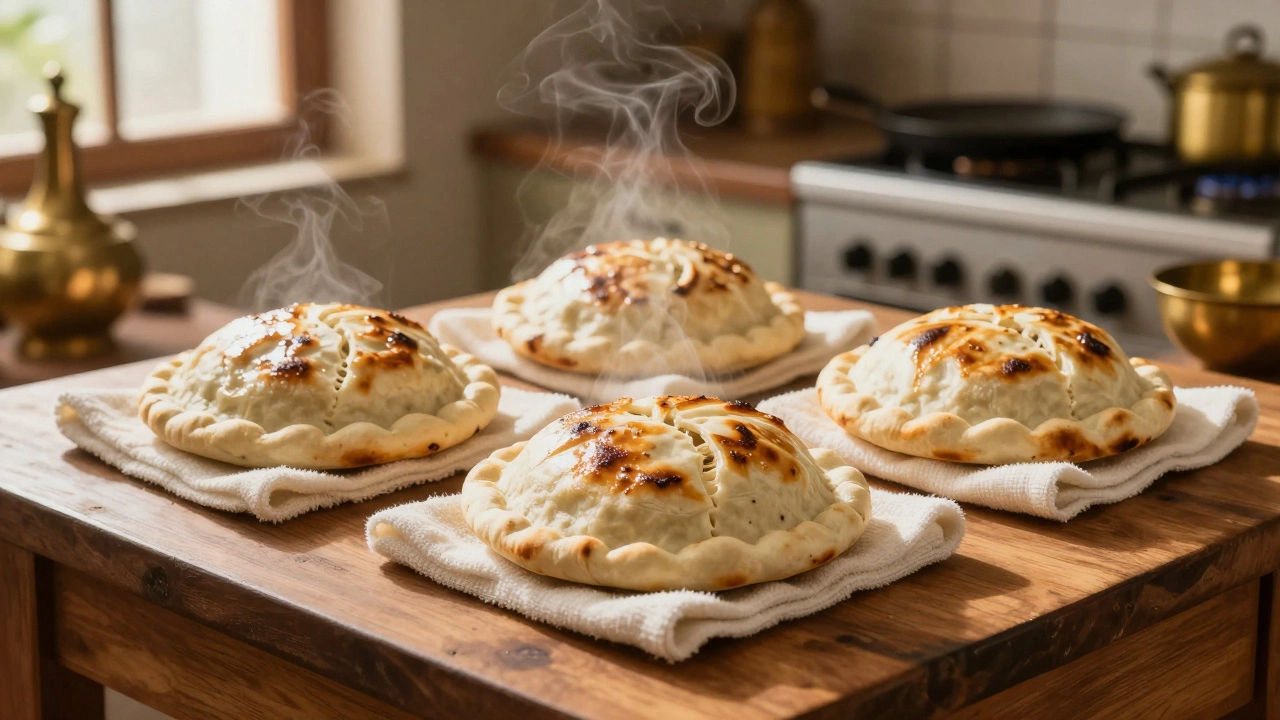
A dry cotton cloth is your best friend. Place a clean, lint-free kitchen towel between each roti before stacking. The cloth absorbs excess moisture without making the roti dry. Avoid paper towels-they can stick or leave fibers behind. A thin cotton napkin or a piece of old cotton fabric works perfectly. This trick is used in homes across North India and Pakistan, where roti is made daily and must stay soft for hours.
Tip 3: Store Roti in a Covered Container, Not a Sealed One
After stacking, place the rotis in a container with a loose-fitting lid. A plastic or stainless steel box with a slightly open top lets air circulate. Don’t seal it tight. If you use a ziplock bag or airtight container, you’re trapping steam-and you’ll get sogginess within 15 minutes. Some households keep roti in a steel handi (deep pot) with a cloth tucked under the lid. It’s old-school, but it works.

Tip 4: Don’t Stack Too Many at Once
Stacking 10 rotis on top of each other is asking for trouble. Limit stacks to 5 or 6. The weight of too many rotis presses down, squeezing out moisture and creating a wet layer at the bottom. If you need to store more, use two separate stacks. This also helps with reheating later-smaller stacks warm up faster and more evenly.
Tip 5: Control Your Dough Hydration
Too much water in the dough = more steam = soggier roti. Most recipes call for 3/4 cup of water per 2 cups of atta (whole wheat flour), but this varies by flour brand and humidity. Start with 2/3 cup, then add water a tablespoon at a time until the dough feels soft but not sticky. If your fingers come away clean after kneading, you’ve got the right consistency. In Wellington’s damp climate, you might even need 1-2 tablespoons less water than traditional recipes suggest.
Tip 6: Cook Roti Until It Puffs and Browns
A perfectly cooked roti isn’t just soft-it’s slightly dry on the surface. Cook each side until you see small brown spots and the roti puffs up like a balloon. That puff means steam inside has expanded and escaped. If your roti stays flat, it’s undercooked and will release more moisture later. Press it gently with a spatula if it doesn’t puff-it helps release trapped air and moisture.

Tip 7: Reheat Properly
Storing roti for later? Reheat it right. Don’t microwave them while still wrapped in plastic. Instead, warm each roti on a dry tawa for 10-15 seconds per side. If you must use a microwave, place a damp paper towel over the roti and heat for 15 seconds. The towel adds just enough moisture to soften without making it soggy. Never microwave multiple rotis together without separating them.
What Not to Do
- Don’t cover hot roti with a lid or foil right after cooking.
- Don’t store roti in the fridge unless you’re planning to keep them for over 2 days-cold makes them hard and dry.
- Don’t use plastic wrap directly on roti-it traps every drop of steam.
- Don’t make extra roti just to save for tomorrow without reheating them properly.
Pro Tip: The Indian Kitchen Secret
In many North Indian homes, they place a small piece of khoya (milk solids) or a teaspoon of ghee on top of the stack before covering. It doesn’t make the roti greasy-it creates a light barrier that slows moisture transfer. You can also rub a tiny amount of ghee on each roti before stacking, but only if you’re eating them within an hour. Too much fat can make them greasy over time.
Final Thought: It’s All About Timing
Roti is meant to be eaten fresh. But if you need to make ahead, the key isn’t perfection-it’s patience. Letting each roti breathe, using cloth layers, and avoiding airtight traps will keep them soft, warm, and springy for hours. Even after 4 hours, properly stored roti tastes like it came straight off the tawa.
Why does my roti get soggy even when I use a steel container?
Steel containers are great for retaining heat, but if the roti is still hot when placed inside and the lid is sealed tight, steam has nowhere to go. Always let roti cool for a minute first, use a dry cloth between layers, and leave the lid slightly ajar. A steel container works best when it’s not completely sealed.
Can I freeze roti to avoid sogginess?
Yes, but only if you freeze them properly. Cool roti completely first, then stack them with parchment paper between each one. Wrap the whole stack tightly in plastic wrap, then place it in a freezer bag. They’ll last up to 2 months. Reheat directly from frozen on a tawa-no need to thaw. This prevents moisture buildup that causes sogginess.
Does the type of flour affect sogginess?
Yes. Coarse whole wheat atta holds less moisture than finely ground flour. Some brands add bran or fiber that absorb water differently. If your roti is consistently soggy, try switching to a high-quality atta labeled "roti flour"-it’s milled for better texture and lower moisture retention. Brands like Aashirvaad or Pillsbury Whole Wheat work well.
How long can I keep roti without it getting soggy?
With proper stacking and storage, roti stays soft for 4-6 hours at room temperature. If you use the cloth method and a loosely covered container, you can stretch that to 8 hours. Beyond that, reheating is needed. Never leave roti uncovered for more than 2 hours in humid climates like Wellington-condensation forms quickly.
Should I add oil or ghee to the dough to prevent sogginess?
No. Adding oil or ghee to the dough makes roti softer initially but increases moisture retention over time, leading to sogginess later. If you want softness, focus on proper kneading, hydration, and post-cooking handling. A tiny brush of ghee on the surface after cooking helps for immediate serving, but it’s not a long-term fix.