Indian Leftover Safety Checker
Your dish is within the safe window
Based on standard guidelines, this dish can be safely consumed within this timeframe when stored properly below 40°F (4°C).
You just finished a massive feast of Indian cuisine is a diverse culinary tradition known for its complex spice blends, rich curries, and vibrant flavors. The aroma of garam masala still lingers in your kitchen, but there’s enough food left to feed an army. You scoop it into containers, pop them in the fridge, and head to bed. But how long can you actually keep that leftover chicken curry or dal before it turns from delicious dinner into a biological hazard?
This isn’t just about avoiding waste; it’s about staying safe. Foodborne illnesses are no joke, especially with moist, protein-rich dishes common in South Asian cooking. Knowing exactly how many days your leftovers have left helps you enjoy every bite without risking sickness.
The General Rule: Two Days Max
If you want a single number to remember, make it two. Most leftover Indian dishes-curries, stews, rice-based meals, and vegetable preparations-are safe to eat within two days when stored properly in the refrigerator. This means if you cook on Friday night, Saturday is prime eating time, and Sunday is the absolute last day. By Monday morning, toss it out.
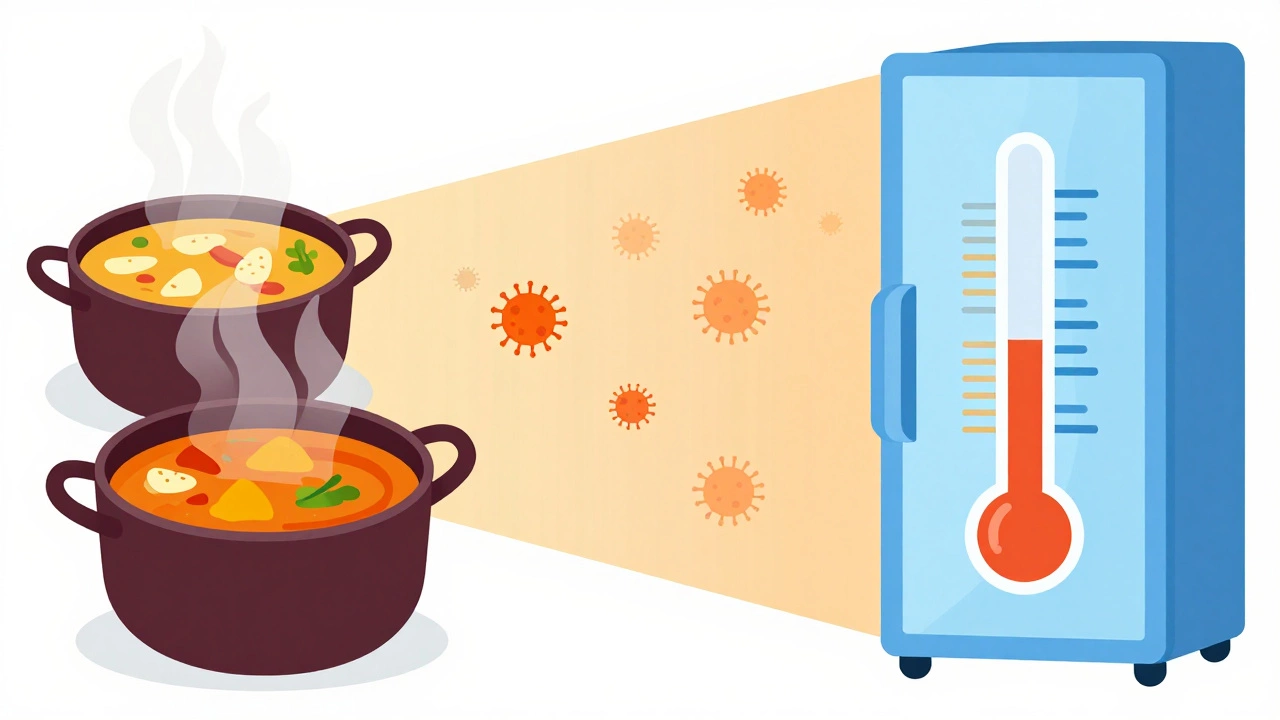
Why only two days? It comes down to bacterial growth. Even at fridge temperatures (below 40°F or 4°C), bacteria like Listeria monocytogenes can slowly multiply in moist environments. Indian foods often contain high moisture content from gravies, coconut milk, or yogurt, creating perfect breeding grounds. While boiling kills most germs, it doesn’t destroy heat-stable toxins produced by some bacteria after they’ve had time to grow.
Some sources might say three or four days, but those guidelines usually apply to simpler foods like plain pasta or steamed vegetables. Complex dishes with meat, dairy, or eggs degrade faster. When dealing with spicy, creamy, or heavily spiced items, err on the side of caution.
Storage Matters More Than You Think
Putting food in the fridge isn’t enough. How you store it changes everything. Leaving a pot of hot curry sitting on the counter for hours before refrigerating gives bacteria a head start. The "danger zone" between 40°F and 140°F (4°C-60°C) allows pathogens to double every 20 minutes.
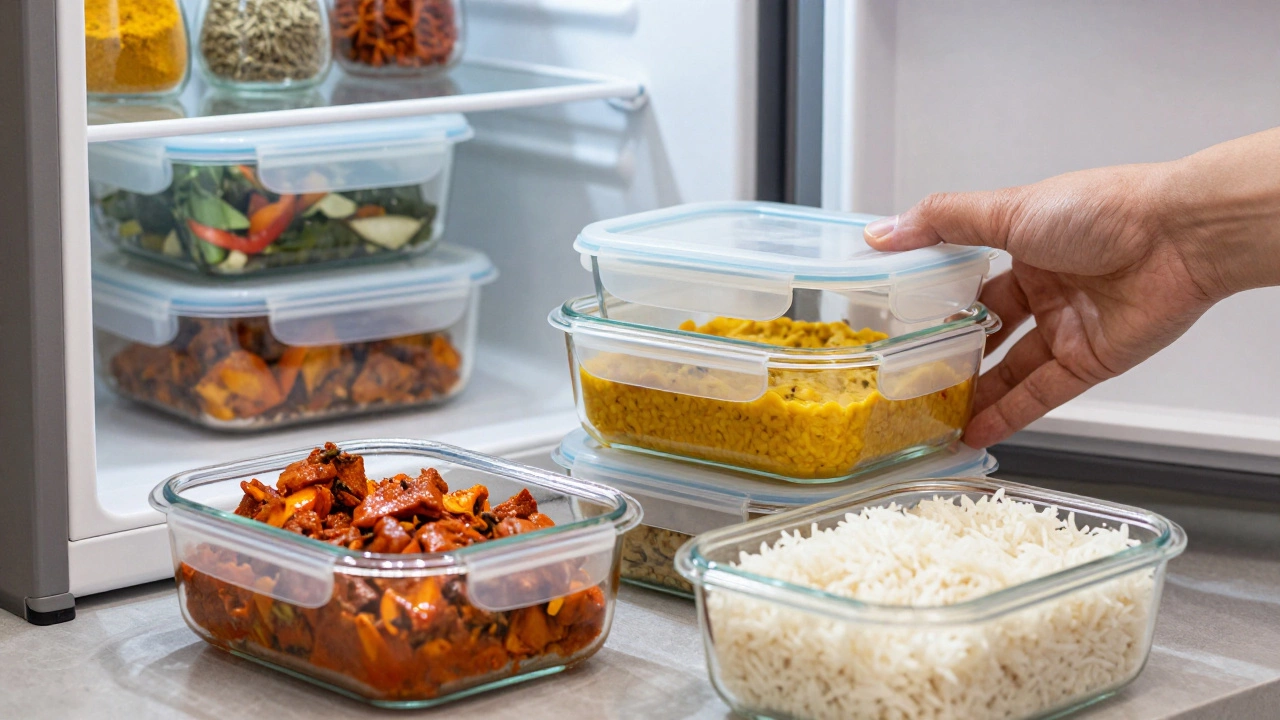
- Cool leftovers quickly. Divide large batches into shallow containers so heat escapes faster.
- Use airtight containers. Glass works best because it doesn’t absorb odors or stains, and it’s easy to clean thoroughly.
- Avoid plastic wrap directly touching acidic sauces. Tomato-based chutneys or tamarind glazes can break down cheap plastics, releasing chemicals into your food.
- Label everything. Write the date and dish name. Trust me, you won’t remember what “mystery brown stuff” was after three days.
Also, don’t overload your fridge. Air needs to circulate around containers to keep things cold. Stacking five Tupperware boxes on top of each other creates warm pockets where spoilage accelerates.
Dairy-Based Dishes Need Extra Care
Many beloved Indian dishes rely on dairy: paneer tikka masala, korma, malai kofta, or even simple dal tadka finished with a splash of cream. These fall into a riskier category. Dairy products spoil faster than oil-based gravies because milk proteins provide extra nutrients for bacteria.
For any dish containing significant amounts of milk, yogurt, ghee, or cheese, stick strictly to the two-day limit. If the recipe uses fresh cream or homemade yogurt, consider reducing that window to one day. Store-bought dairy has preservatives that buy you a little time, but nothing lasts forever.
A quick tip: smell test alone isn’t reliable here. Some spoilage organisms don’t produce strong odors until late stages. If your korma looks slightly separated or smells faintly sour-even if it tastes fine-throw it away. Your stomach will thank you later.
Rice Is Tricky Business
Plain basmati rice behaves differently than fried rice or biryani. Plain cooked rice should be cooled rapidly and stored separately from gravy. Why? Because rice grains harbor spores of Bacillus cereus, a bacterium that survives cooking. Once cooked, if left at room temperature too long, these spores activate and produce toxins that cause vomiting and diarrhea.
Fried rice and biryani pose additional risks due to egg, oil, and mixed ingredients. They also follow the two-day rule, but require stricter handling:
- Cook rice fully. Undercooked grains carry more dormant spores.
- Cool within one hour of cooking. Spread it out on a tray instead of leaving it clumped in the pot.
- Reheat thoroughly. Bring rice back to steaming hot throughout-not just warmed up on the outside.
Never reheat rice more than once. Each heating cycle increases toxin buildup. If you’re unsure whether it’s been reheated already, assume it hasn’t and treat it as fresh-cooked-but still discard after two days total.
Vegetarian vs Non-Vegetarian Leftovers
Does having meat change the timeline? Surprisingly, not much. Both vegetarian and non-vegetarian Indian dishes share similar spoilage patterns because the main factors are moisture, acidity, and storage conditions-not animal protein itself.
However, certain meats behave uniquely. Chicken curry tends to hold up well thanks to turmeric and chili acting as mild antimicrobials. Beef or lamb curries may develop off-flavors sooner due to higher fat content oxidizing over time. Fish-based dishes, especially those made with delicate fillets rather than firm steaks, should never exceed 24 hours. Seafood spoils fastest among all categories.
Vegetarian options like palak paneer or aloo gobi generally last longer than their meat counterparts-if they’re purely plant-based. But add paneer or butter, and suddenly you’re back in dairy territory. Always base your decision on ingredient complexity, not just whether someone ate meat.
Signs Your Leftovers Have Gone Bad
Your senses are powerful tools. Learn to recognize warning signs before trusting taste tests.
| Sense | What to Look For | Action |
|---|---|---|
| Sight | Mold spots, discoloration, slimy texture | Discard immediately |
| Smell | Sour, fermented, ammonia-like odor | Do not eat |
| Taste | Bitterness, fizziness, unexpected tang | Spit it out, rinse mouth |
| Touch | Slippery surface, separation of oils/water | Unlikely safe |
Note: Mold doesn’t always look fuzzy. In liquid dishes, it appears as cloudy patches or floating films. Don’t skim it off and keep the rest-that’s dangerous advice. Toxins spread invisibly through broth.
Reheating Safely Without Ruoring Flavor
Proper reheating restores safety-and flavor. Microwaving unevenly heats food, leaving cold zones where bacteria survive. Instead:
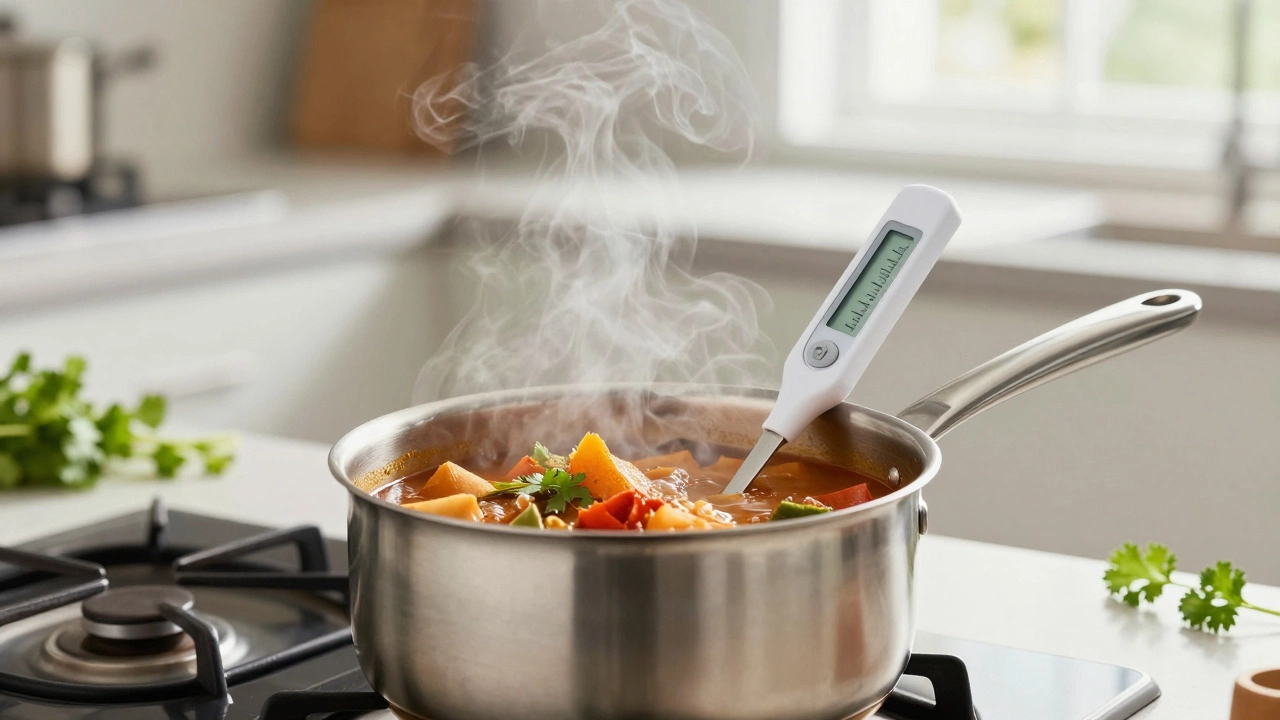
- Use a saucepan over medium heat. Stir constantly until bubbling gently everywhere.
- Add a splash of water or stock if dried out. Helps distribute heat evenly.
- Bring internal temperature to 165°F (74°C). Use a thermometer if possible.
- Avoid repeated warming cycles. Reheat only what you plan to eat now.
For breads like naan or roti, microwave briefly wrapped in damp paper towel to restore softness. Parathas crisp up nicely in a dry skillet. Never refreeze previously frozen leftovers-they lose texture and increase contamination risk during thaw-refreeze-thaw loops.
Freezing Extends Shelf Life Dramatically
If you know you won’t finish something within two days, freeze it right away. Properly sealed Indian dishes freeze beautifully for up to three months. Curries thicken slightly upon freezing but regain consistency when reheated with added liquid.
Best candidates for freezing:
- Thick gravies (butter chicken, rogan josh)
- Lentil soups (dal makhani, sambar)
- Vegetable stir-fries (sabzi, bhindi)
Worst candidates:
- Dairy-heavy sauces (korma, matar paneer)
- Rice dishes (texture becomes mushy)
- Fresh herbs/garnishes (lose color and crunch)
Always cool completely before freezing. Hot food raises freezer temp, affecting nearby items. Leave space above liquids-they expand when frozen.
Can I leave Indian food out overnight?
No. Leaving any cooked Indian dish at room temperature beyond two hours invites rapid bacterial growth. Overnight exposure guarantees unsafe levels of contamination. Refrigerate promptly after cooling briefly.
Is it okay to eat leftover biryani after 3 days?
Not recommended. Biryani contains rice, meat, and spices-all prone to spoilage. After three days, toxin-producing bacteria likely reached harmful concentrations. Stick to two days max for safety.
How do I tell if my curry has gone bad?
Check for sour smell, visible mold, slimy texture, or unusual separation. Taste testing is risky-some toxins aren’t detectable by flavor. When in doubt, throw it out.
Can I freeze leftover Indian sweets?
Most Indian sweets freeze well for 1-2 months. Gajar ka halwa, gulab jamun, and rasgulla retain quality if sealed tightly. Avoid freezing fresh fruit-based desserts-they become watery upon thawing.
What’s the safest way to reheat lentil soup?
Heat dal in a saucepan over medium flame, stirring frequently until simmering uniformly. Add water if thickened excessively. Ensure center reaches 165°F (74°C). Microwave reheating leads to uneven temperatures.