Spice Selection Guide: Which Masala Do I Need?
Not sure which spice to reach for? Select your cooking scenario below to find the perfect match.
Garam Masala
Best for adding depth and fragrance at the end of the process.
Tandoori Masala
Best for intense marinations, vibrant color, and roasting.
Use Garam Masala if...
- You are in the last 5 minutes of simmering.
- Your dish feels "flat" and needs a fragrant lift.
- You are making Butter Chicken, Dal, or Stews.
- You want a sweet, woody, and aromatic finish.
Use Tandoori Masala if...
- You are preparing a marinade (mix with yogurt).
- You want that iconic vibrant red color.
- You are roasting meat, paneer, or cauliflower.
- You want a tangy, spicy, and pungent flavor profile.
The big spice mixup
If you've ever stood in the spice aisle of a grocery store staring at ten different red-and-brown powders, you're not alone. It's easy to assume that since they both come from India and look similar, they do the same thing. But using one when a recipe calls for the other is like using salt when you actually need sugar-it might technically be a seasoning, but the result is going to be a disaster. To put it simply: no, garam masala is not the same as tandoori masala. One is a finishing touch, and the other is a heavy-duty marinade base.
Quick Summary: The Main Differences
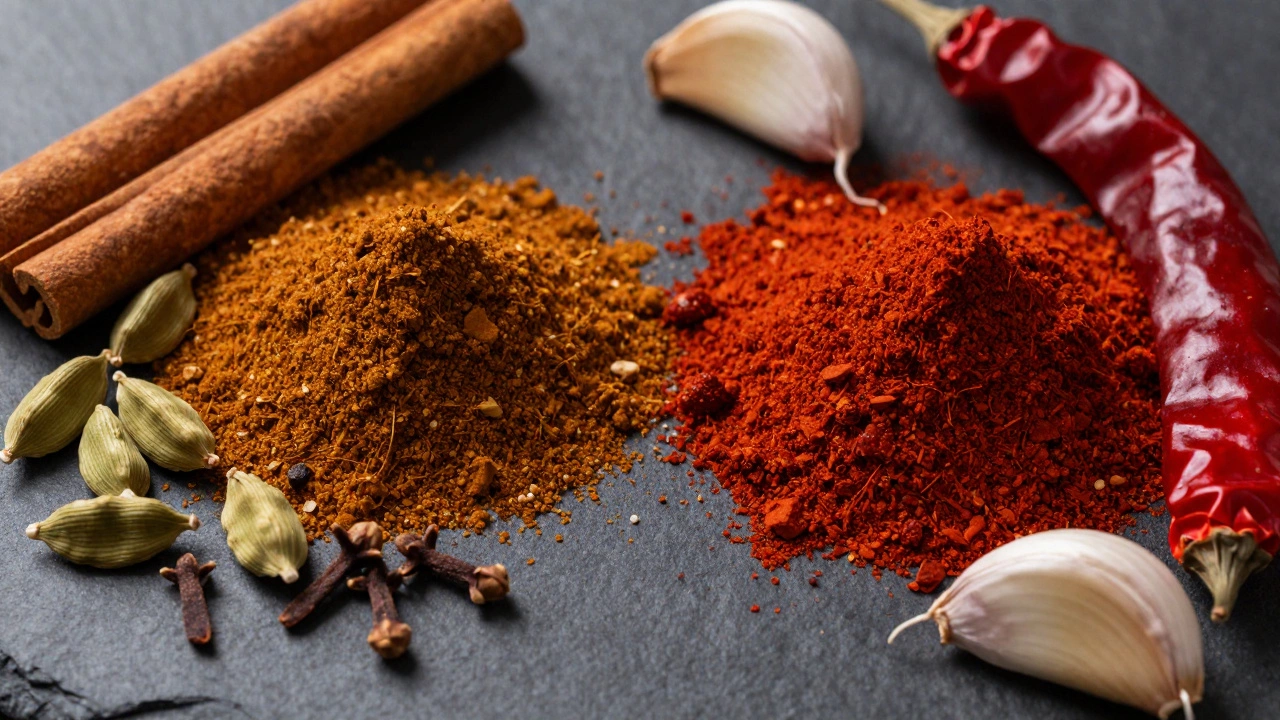
- Garam Masala: A "warm" blend of cinnamon, cardamom, and cloves used mostly at the end of cooking.
- Tandoori Masala: A bold, pungent mix focused on Kashmiri chili, ginger, and garlic for roasting.
- Purpose: Garam masala adds aroma; tandoori masala adds heat and that signature red color.
- Timing: Add garam masala at the end; rub tandoori masala in hours before cooking.
Understanding Garam Masala: The "Warm" Spice
First, let's look at Garam Masala. In Hindi, "garam" means warm and "masala" means blend. It isn't a single ingredient, but a mixture that varies from house to house across India. Unlike a salt-and-pepper mix, this blend is designed to provide depth and a lingering warmth rather than a sharp kick of heat.
Typically, you'll find Cinnamon, Cardamom, and Cloves as the backbone. Some versions include black pepper or mace. Because these spices are potent and volatile, the oils evaporate if they boil for too long. That's why most chefs sprinkle it in during the last five minutes of simmering a curry or stir it in just before turning off the heat. If you cook it too long, you lose that fresh, aromatic punch.
Decoding Tandoori Masala: The Roast Master
Now, let's talk about Tandoori Masala. This is a completely different beast. While garam masala is about aroma, tandoori masala is about intensity and acidity. It is specifically designed for the Tandoor-the traditional clay oven used in Indian cooking-though it works just as well in a home oven or on a grill.
The star of this show is usually Kashmiri Red Chili. This specific chili is prized because it gives a vibrant red color without being overwhelmingly spicy. You'll also find heavy hits of Ginger and Garlic, which help tenderize the meat. Unlike garam masala, this blend is meant to be mixed with yogurt and rubbed deep into the meat for several hours. The acidity from the yogurt and the pungency of the spices break down the proteins, ensuring the meat stays juicy while the outside gets a charred, smoky crust.
| Feature | Garam Masala | Tandoori Masala |
|---|---|---|
| Primary Goal | Aromatic warmth & depth | Bold flavor & vivid color |
| Key Ingredients | Cardamom, Cinnamon, Cloves | Kashmiri Chili, Ginger, Garlic |
| Application | Stirred in at the end | Used as a marinade/rub |
| Flavor Profile | Sweet, woody, fragrant | Tangy, spicy, pungent |
| Common Use | Butter Chicken, Dal, Stews | Tandoori Chicken, Paneer Tikka |
How to use them in a tandoori chicken recipe
Here is where it gets interesting. If you are making a tandoori chicken recipe, you might actually use both, but at different stages. Using only garam masala will leave your chicken tasting bland and lacking that iconic red hue. Using only tandoori masala can sometimes feel too "sharp" without a bit of rounded warmth.
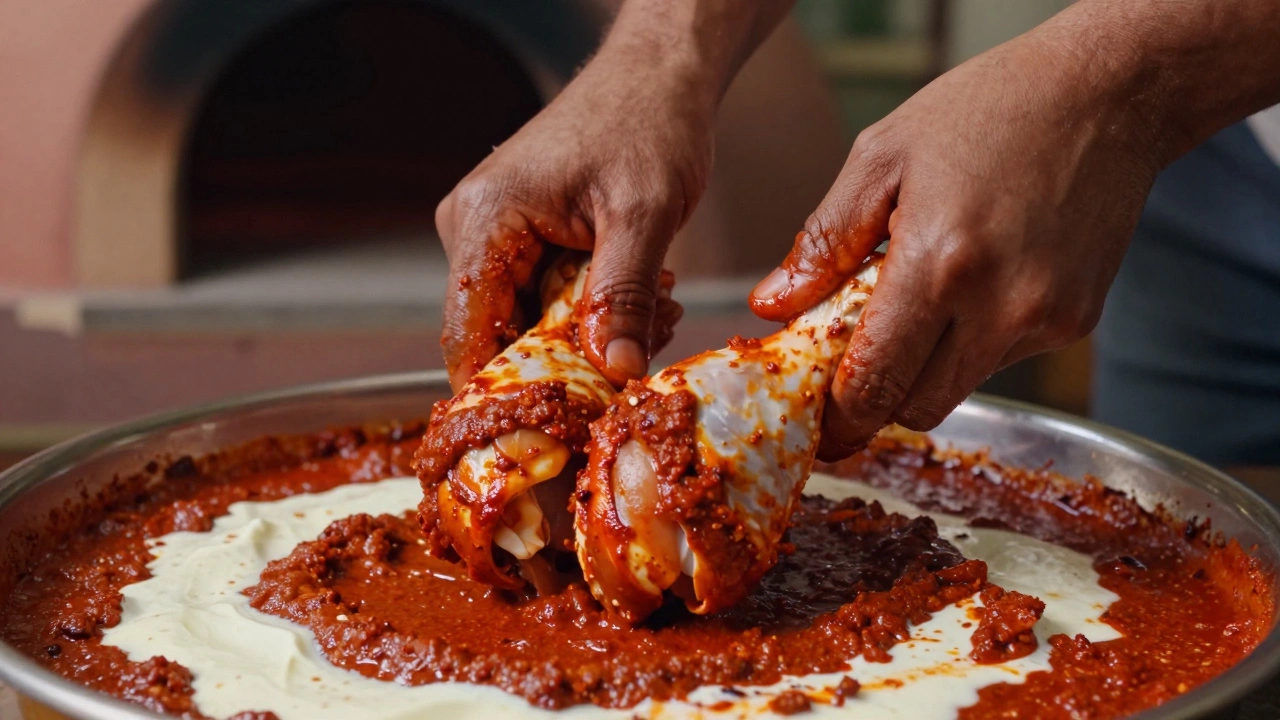
For a professional result, start with the tandoori masala. Mix it with thick Greek yogurt, lemon juice, and a bit of oil. Slit your chicken thighs or drumsticks and rub this paste deep into the meat. Let it sit for at least 4 hours-or overnight if you have the patience. This is the "heavy lifting" phase where the flavor is locked in.
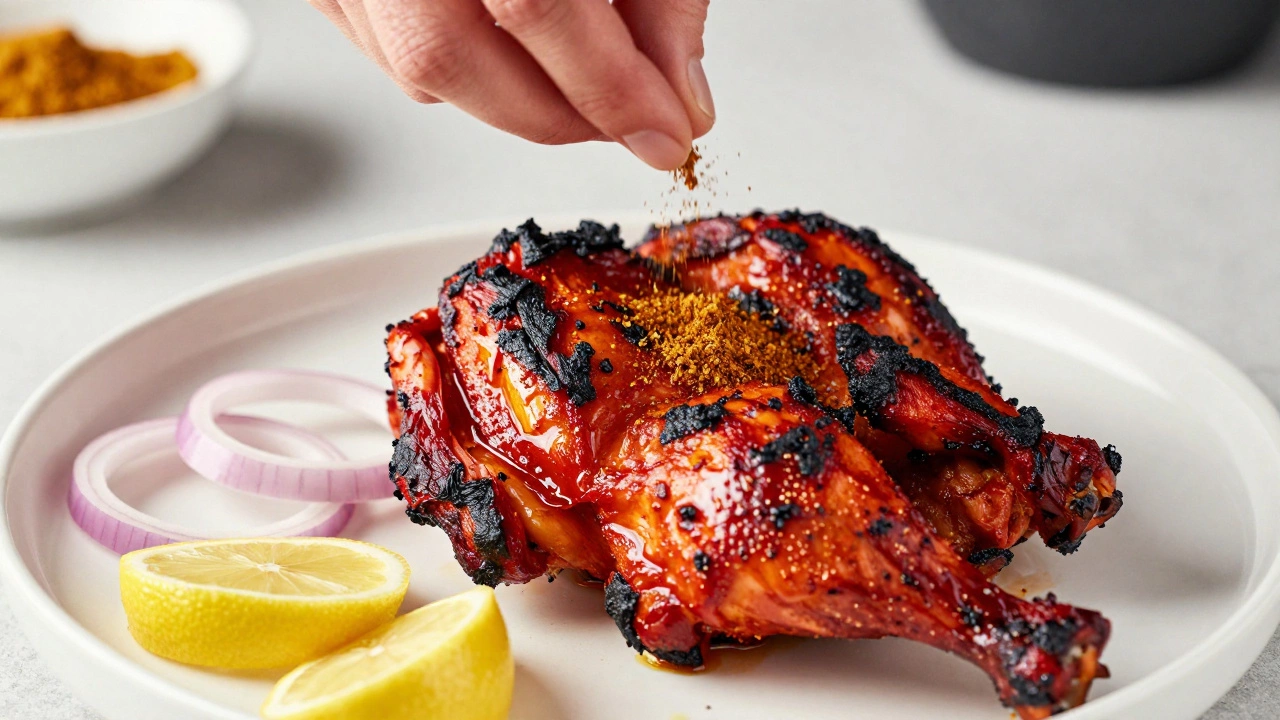
Once the chicken comes out of the oven or off the grill, while the meat is still sizzling, a tiny pinch of garam masala can be dusted over the top. This adds a final layer of aromatic complexity that wakes up the senses as soon as the plate hits the table. Think of tandoori masala as the foundation and garam masala as the garnish.
Common mistakes and pitfalls
One of the biggest mistakes home cooks make is adding garam masala to the oil at the very start of the cooking process. When spices hit shimmering hot oil for too long, they can burn and turn bitter. Unless you are "blooming" them very carefully for a few seconds, keep that powder away from the heat until the end.
Another common error is substituting tandoori masala with standard chili powder. While both are red, standard chili powder often lacks the ginger, garlic, and specific Kashmiri pepper profile. Your chicken will be spicy, but it won't have that "restaurant-style" tang and depth. If you can't find a pre-made tandoori mix, you're better off making a quick version by mixing paprika, cumin, turmeric, and plenty of garlic powder.
Expanding your Indian spice cabinet
Once you master these two, you'll notice that Indian cuisine is built on a few other essential blends. Turmeric is the golden thread that runs through almost everything, providing an earthy base and health benefits. Then there is Chaat Masala, which is a salty, sulfurous blend (thanks to black salt) used specifically for street food and fruit salads to add a "zingy" flavor.
Understanding these distinctions allows you to stop following recipes blindly and start adjusting flavors by feel. If a dish feels too "flat," it usually needs a hit of garam masala. If it lacks a bold, aggressive punch, it's time to reach for the tandoori blend or a bit of extra Kashmiri chili.
Can I use Garam Masala if I don't have Tandoori Masala?
You can, but the flavor will be very different. Garam masala is sweet and aromatic, whereas tandoori masala is tangy and spicy. To make it work, add extra chili powder, lemon juice, and fresh minced garlic to your garam masala to mimic the tandoori profile.
Why is Tandoori chicken red?
The red color comes primarily from Kashmiri Red Chili powder, which has a mild heat but a deep red pigment. In some commercial restaurants, food coloring is added, but authentic tandoori masala relies on the specific variety of chili.
Do I need to toast Garam Masala before using it?
Most store-bought garam masalas are already toasted. However, if you make your own blend from whole seeds, lightly toasting them in a pan for 2-3 minutes before grinding them releases the essential oils and makes the spice much more fragrant.
Is Tandoori Masala only for chicken?
Not at all! It works incredibly well for Paneer (Indian cottage cheese), cauliflower (Gobi), or shrimp. Any protein or hearty vegetable that can withstand high-heat roasting is a great candidate for tandoori masala.
How should I store these spices to keep them fresh?
Store them in airtight glass containers in a cool, dark place. Avoid keeping them directly above the stove, as the heat and steam can degrade the oils in the spices, making them lose their flavor much faster.
Next steps for your kitchen
If you're feeling confident, try experimenting with a "dry rub" version of tandoori chicken. Instead of using yogurt, use a mix of tandoori masala and a small amount of olive oil. This creates a crispier skin when using an air fryer or a high-heat broiler. If you find the flavor too intense, balance it out by serving the chicken with a side of cool Raita (yogurt and cucumber dip), which cuts through the heat of the spices.