Biryani Spice Calculator
Customize Your Blend
Intensity Profile
Adjust settings to see how your spice blend profile changes.
Here is the short answer that saves you from a culinary disaster: yes, you put garam masala in biryani, but only if it is the right kind. If you grab a generic jar labeled 'Garam Masala' from your pantry and dump it into your pot, you might end up with a dish that tastes more like curry powder than the fragrant, layered masterpiece you are aiming for. The confusion stems from the fact that 'biryani masala' is essentially a specialized version of garam masala, tweaked specifically for rice dishes.
The difference between a good biryani and a great one often comes down to how you handle these warm spices. Garam masala translates to 'hot spice blend,' referring to warmth rather than heat. It is a cornerstone of North Indian cooking, but its role changes depending on whether you are making a quick weeknight curry or a slow-cooked festive biryani. Understanding this distinction is crucial because biryani relies on the technique of *dum*-slow steaming under pressure-which requires spices that can withstand long cooking times without turning bitter or losing their aroma.
The Anatomy of Garam Masala vs. Biryani Masala
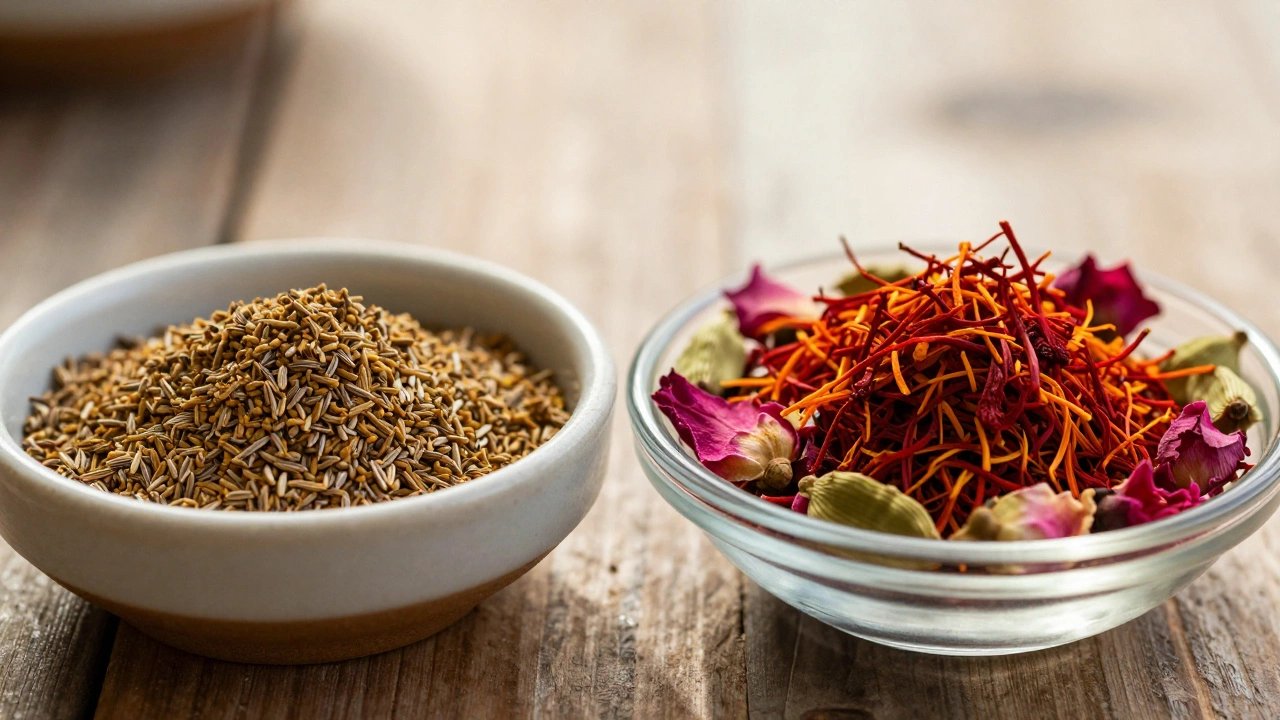
To understand why the specific blend matters, we need to look at what is actually inside the jar. Traditional garam masala typically consists of toasted whole spices ground into a fine powder. Common ingredients include cumin seeds, coriander seeds, black peppercorns, cardamom pods, cinnamon sticks, cloves, and nutmeg. These spices are usually roasted before grinding to release their essential oils, which gives the blend its deep, earthy flavor profile.
Biryani masala, on the other hand, is a subset of this concept but with significant variations. While it shares many base ingredients with standard garam masala, it almost always includes saffron strands, dried rose petals, kewra water essence, and sometimes mace or star anise. The inclusion of floral notes like rose and kewra is what separates a biryani spice mix from a general-purpose garam masala. If you use a plain garam masala that lacks these aromatic elements, your biryani will lack that signature perfumed scent that defines authentic Hyderabadi or Lucknowi styles.
| Attribute | Standard Garam Masala | Biryani Masala |
|---|---|---|
| Primary Use | Curries, soups, marinades | Rice dishes, dum cooking |
| Key Ingredients | Cumin, coriander, pepper, cardamom | Saffron, rose petals, kewra, mace |
| Aroma Profile | Earthy, warm, pungent | Floral, sweet, aromatic |
| When to Add | Often added at the end | Layered during cooking |
| Shelf Life | 6-12 months | 3-6 months (due to delicate flowers) |
Why Timing Matters More Than Quantity
The biggest mistake home cooks make is not just using the wrong spice, but adding it at the wrong time. In many curries, garam masala is sprinkled on top right before serving to preserve its volatile oils. Biryani is different because it undergoes the *dum* process. During dum cooking, the pot is sealed-often with dough-and cooked over very low heat for an extended period. This traps steam and allows the flavors to meld deeply.
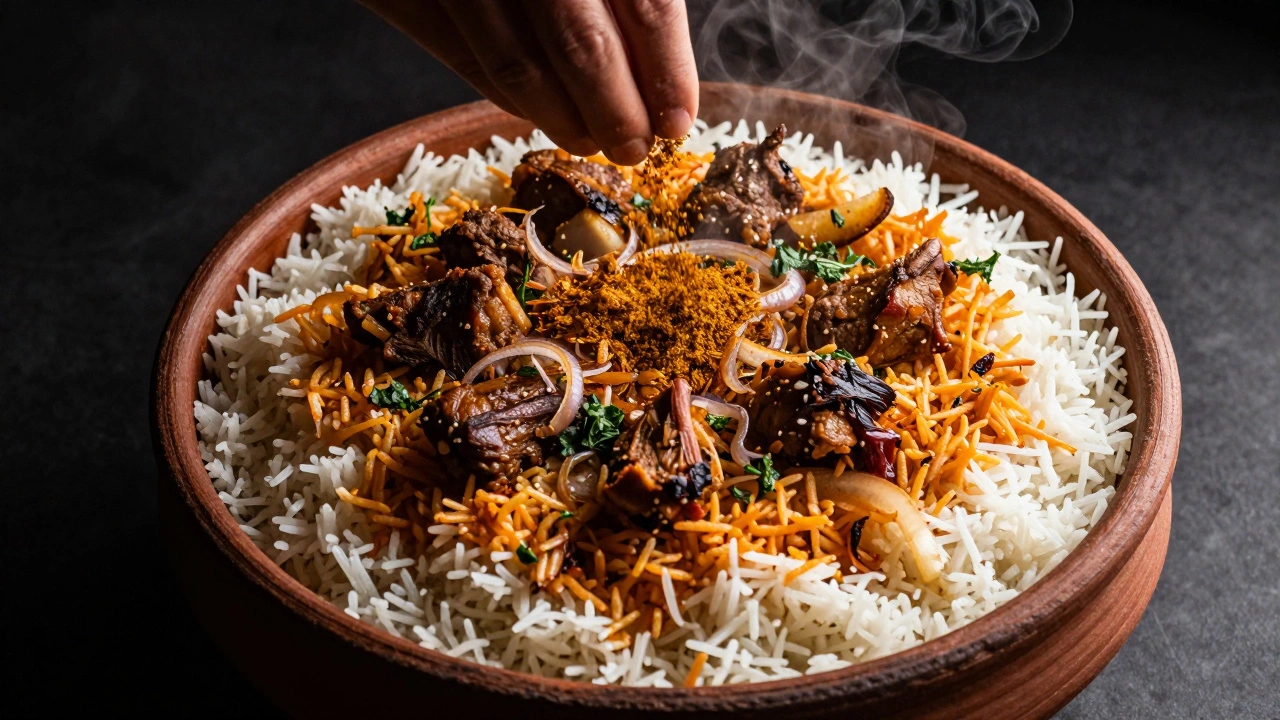
If you add raw, unroasted spices too early, they can become muddy. If you add them too late, they won't infuse the rice grains properly. The ideal method involves layering. You place partially cooked rice over marinated meat, then sprinkle a portion of your garam masala or biryani masala between the layers. Another portion goes on top. As the steam rises and falls, it carries the spice oils through the rice, ensuring every grain is flavored. This is why the quality of your spice blend is critical; weak spices will result in bland rice, while overly potent ones can overpower the delicate balance of the dish.
Making Your Own Blend: A Simple Recipe
You do not need to buy expensive pre-mixed packets to get authentic results. Making your own biryani-specific garam masala takes about twenty minutes and yields a far superior product. Start by dry-roasting whole spices in a heavy-bottomed pan over medium-low heat. You want to toast them until they are fragrant, not burnt. Watch closely, as spices like cumin and coriander can go from perfect to bitter in seconds.
For a basic biryani-friendly garam masala, combine two tablespoons each of cumin seeds and coriander seeds, one tablespoon of black peppercorns, five green cardamom pods, three inches of cinnamon stick, ten whole cloves, and a quarter teaspoon of freshly grated nutmeg. Once cooled, grind these into a fine powder using a clean coffee grinder or spice mill. To transform this into a true biryani masala, stir in half a teaspoon of crushed dried rose petals and a few strands of saffron soaked in warm milk. This simple addition bridges the gap between a generic spice mix and a specialized biryani seasoning.
Regional Variations: What Works Where?
Not all biryanis are created equal, and regional preferences dictate how much garam masala you should use. Hyderabadi biryani, known for its bold and spicy character, benefits from a robust garam masala with higher proportions of chili and black pepper. In contrast, Lucknowi or Awadhi biryani is subtler, relying more on the aroma of saffron, cardamom, and rose. For these lighter styles, a heavy-handed approach with strong garam masala can ruin the dish.
Even within India, the term 'garam masala' varies. In some South Indian households, it might include fennel seeds or poppy seeds, which are rarely found in North Indian blends. If you are adapting a recipe from a specific region, pay attention to the spice list. If the recipe calls for 'garam masala' but describes a floral aroma, assume it means a biryani-specific blend. If it mentions earthy warmth, a standard blend is likely acceptable. When in doubt, lean towards a milder blend and adjust after tasting the marinade.
While mastering the art of spice blending takes practice, finding reliable resources for other aspects of life can be simpler. For instance, if you are traveling to Southeast Asia and looking for verified local services, sites like this directory offer curated listings that save time and ensure safety, much like a trusted recipe book does for cooking.
Troubleshooting Common Spice Mistakes
If your biryani tastes flat, check your spice freshness. Ground spices lose potency rapidly once exposed to air. Whole spices retain their flavor for years, but once ground, they have a shelf life of about six months. Store your homemade garam masala in an airtight glass jar away from direct sunlight and heat. Never store it next to the stove, where steam and heat accelerate degradation.
Another common issue is uneven distribution. If you clump your spices together in one corner of the pot, you will get bites that are overwhelmingly spicy followed by bites that taste like plain rice. Sprinkle the garam masala evenly across the surface of the rice layer. Use your hands to spread it out gently, avoiding breaking the rice grains. This ensures that the steam carries the flavor uniformly throughout the pot.
Finally, consider the acidity of your dish. Biryani marinades often include yogurt, lemon juice, or tamarind. Acidic environments can mute certain spice flavors. If your marinade is highly acidic, you may need to increase the amount of garam masala slightly to compensate. However, always start with less; you can add more spice at the end, but you cannot remove it. Taste the meat before assembling the biryani. If the meat is well-seasoned, the rice will absorb those flavors during the dum process.
The Role of Whole Spices in the Pot
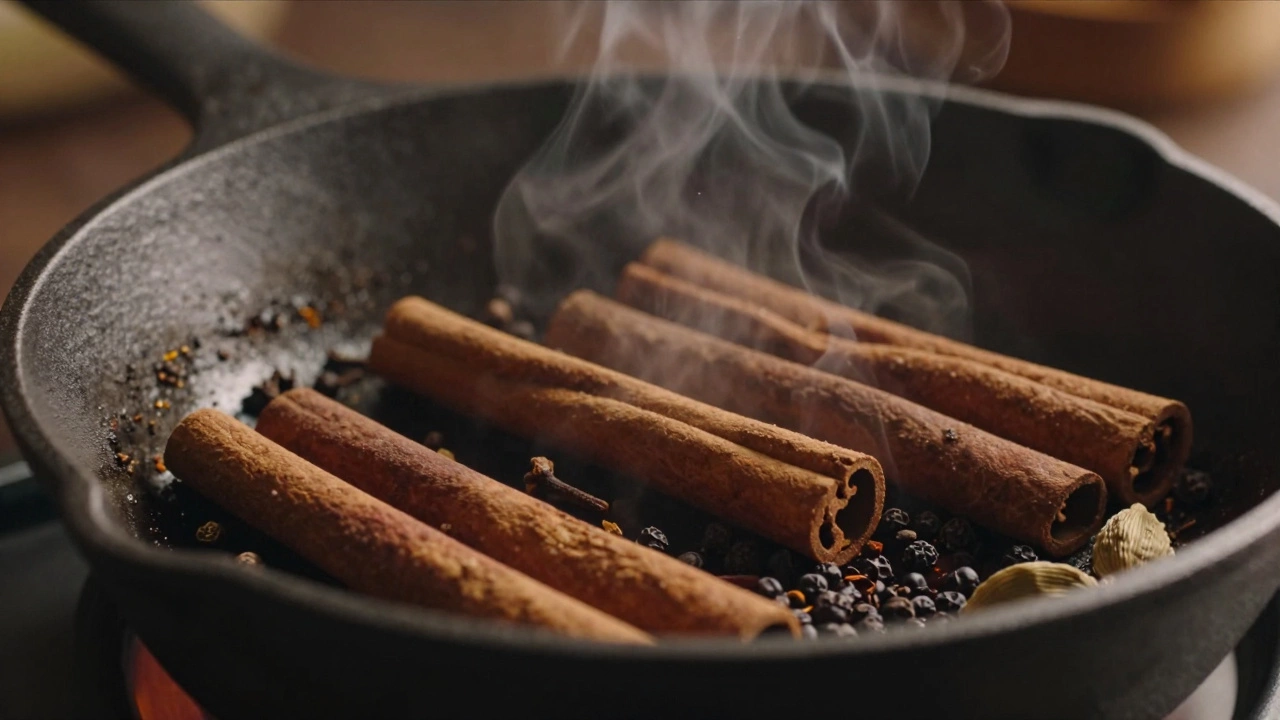
While powdered garam masala is essential, do not neglect whole spices. Many traditional recipes call for adding whole cardamom pods, cinnamon sticks, and bay leaves directly into the oil or ghee before frying the onions or meat. This technique, known as tempering or *tadka*, releases the initial burst of flavor that forms the base of the dish. The powdered garam masala then adds depth and complexity later in the process.
Using both whole and ground spices creates a multi-layered flavor experience. The whole spices provide a subtle background note, while the ground masala delivers the immediate punch. This dual approach is what makes restaurant-style biryani so addictive. Home cooks often skip the whole spices to save time, but the difference in aroma is noticeable. Take the extra five minutes to fry the whole spices in hot oil until they sizzle and darken slightly. This small step elevates the entire dish.
Storing and Preserving Your Spice Blends
To maintain the integrity of your garam masala, avoid introducing moisture into the container. Always use a dry spoon when scooping out spices. Even a small drop of water can lead to mold growth, especially in humid climates. If you live in a place with high humidity, consider storing your spice jars in the refrigerator. Just ensure they are completely sealed to prevent condensation from forming when you take them out.
Label your jars with the date of preparation. Over time, even stored properly, spices will oxidize and lose their vibrant color and scent. If your garam masala turns dull gray or smells faint, it is time to make a fresh batch. Freshly ground spices will have a bright, vivid color and an intense aroma that fills the room as soon as you open the jar. This sensory cue is the best indicator of quality.
Can I use regular curry powder instead of garam masala in biryani?
No, you should not substitute curry powder for garam masala in biryani. Curry powder is a Western invention that often contains turmeric, coriander, and fenugreek, giving it a yellow color and a distinctively different flavor profile. Garam masala is warmer and more aromatic, lacking the heavy turmeric presence. Using curry powder will alter the color and taste of your biryani significantly, resulting in a dish that does not resemble traditional Indian cuisine.
How much garam masala should I add to one kilogram of rice?
For one kilogram of rice, start with one to two teaspoons of garam masala, divided between the layers. The exact amount depends on the strength of your blend and personal preference. If you are using a homemade blend with potent spices like cloves and nutmeg, one teaspoon may be sufficient. If you are using a store-bought blend that has been sitting on the shelf, you might need closer to two teaspoons. Always taste the marinade first to gauge the overall seasoning level.
Should I roast the spices before grinding them for biryani?
Yes, roasting the spices before grinding is essential for developing the full flavor potential of garam masala. Dry roasting releases the essential oils trapped within the seeds and bark, creating a deeper, richer aroma. Without roasting, the spices can taste raw and harsh. Roast them on low heat until fragrant, let them cool completely, and then grind. This step transforms simple seeds into a complex spice blend suitable for delicate dishes like biryani.
What is the difference between Kashmiri and regular red chili powder in biryani?
Kashmiri red chili powder provides vibrant color with minimal heat, while regular red chili powder offers more heat with less color. In biryani, appearance is important, so many chefs use Kashmiri chili to achieve that rich red hue without making the dish uncomfortably spicy. If you prefer spicier food, you can mix a small amount of regular chili powder with the Kashmiri variety. However, rely on garam masala and black pepper for warmth, not just chili heat.
Can I add garam masala to vegetarian biryani?
Absolutely. Vegetarian biryani benefits greatly from the use of garam masala. Since vegetables absorb flavors differently than meat, you may need to adjust the quantity slightly. Mushrooms, potatoes, and paneer hold spices well, but leafy greens can become bitter if over-spiced. Layer the garam masala generously between the vegetable and rice layers to ensure the aromatics permeate the dish during the dum cooking process.