Vegetarian Recipes: Discover India's Best Plant-Based Dishes
When you think of vegetarian recipes, plant-based meals centered around lentils, spices, and dairy like paneer, common across India. Also known as Indian vegetarian cuisine, it’s not just a diet—it’s a way of life for nearly one in three Indians. This isn’t about skipping meat because it’s trendy. It’s about centuries-old traditions, religious beliefs, and flavors so rich you won’t miss anything.
Paneer, a fresh, unaged cheese made by curdling milk with lemon or vinegar, and central to Indian kitchens is the star of countless dishes like paneer tikka and palak paneer. Unlike Western cheeses that often use animal rennet, paneer is naturally vegetarian-friendly, making it a safe go-to for Indian vegetarians. Then there’s Hinduism vegetarian, a dietary practice tied to non-violence and spiritual purity, guiding millions to avoid meat. Many Hindus eat only plant-based meals daily, especially during festivals or temple visits. Even deeper, Jainism, a religion that takes vegetarianism to another level by avoiding root vegetables like carrots and potatoes to prevent harm to tiny organisms in the soil—a practice that shapes entire regional menus in Gujarat and Rajasthan.
What makes Indian vegetarian food stand out isn’t just what’s left out—it’s what’s packed in. Turmeric, cumin, coriander, and chili don’t just add heat; they boost immunity, aid digestion, and give every dish its soul. Lentils like chana and masoor form the backbone of meals, while rice, roti, and millets keep things filling and balanced. You’ll find dishes that are spicy, sweet, tangy, or creamy—all made without a single piece of meat.
And yes, eggs are a gray area. In some homes, they’re considered vegetarian. In others, they’re not. It depends on family, region, and faith. That’s why this collection doesn’t just list recipes—it explains the why behind them. You’ll learn what makes a dish truly vegetarian in India, how to spot hidden non-veg ingredients, and which regional specialties you can’t miss.
Below, you’ll find real stories and practical guides—from decoding cheese labels to understanding why Jains don’t eat carrots, from the most ordered dish in India to how Hindu temples serve food that’s both sacred and delicious. Whether you’re cooking for the first time or looking to deepen your knowledge, every article here is meant to help you eat better, understand more, and taste the real India.
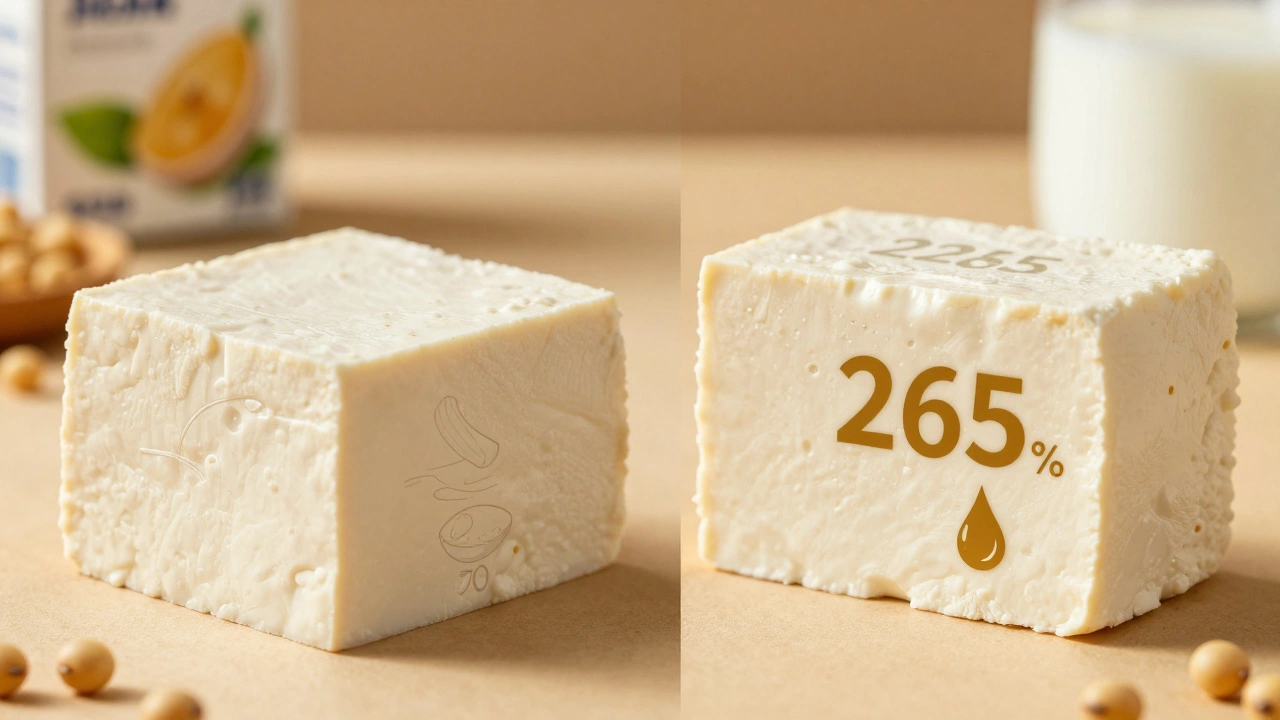
Is tofu healthier than paneer? Nutritional facts and real-world differences
Tofu is lower in calories, fat, and cholesterol than paneer, while offering complete protein and beneficial plant compounds. For most health goals, tofu is the smarter choice.

Are Tomatoes Safe to Eat in India? What You Need to Know
Tomatoes are safe to eat in India when properly washed and cooked. Learn how to pick, clean, and use them in everyday Indian dishes without worry.

Can Indian Vegetarians Eat Cheese? The Real Story
Not all cheese is friendly for Indian vegetarians, and there’s a lot more to the story than people think. This article digs into how cheese is made, what ingredients might cause problems, and which types are safe. We’ll also talk about why paneer is king in Indian kitchens and tips for checking cheese labels. Get ready to untangle the facts and feel confident the next time you eat out or shop for cheese.
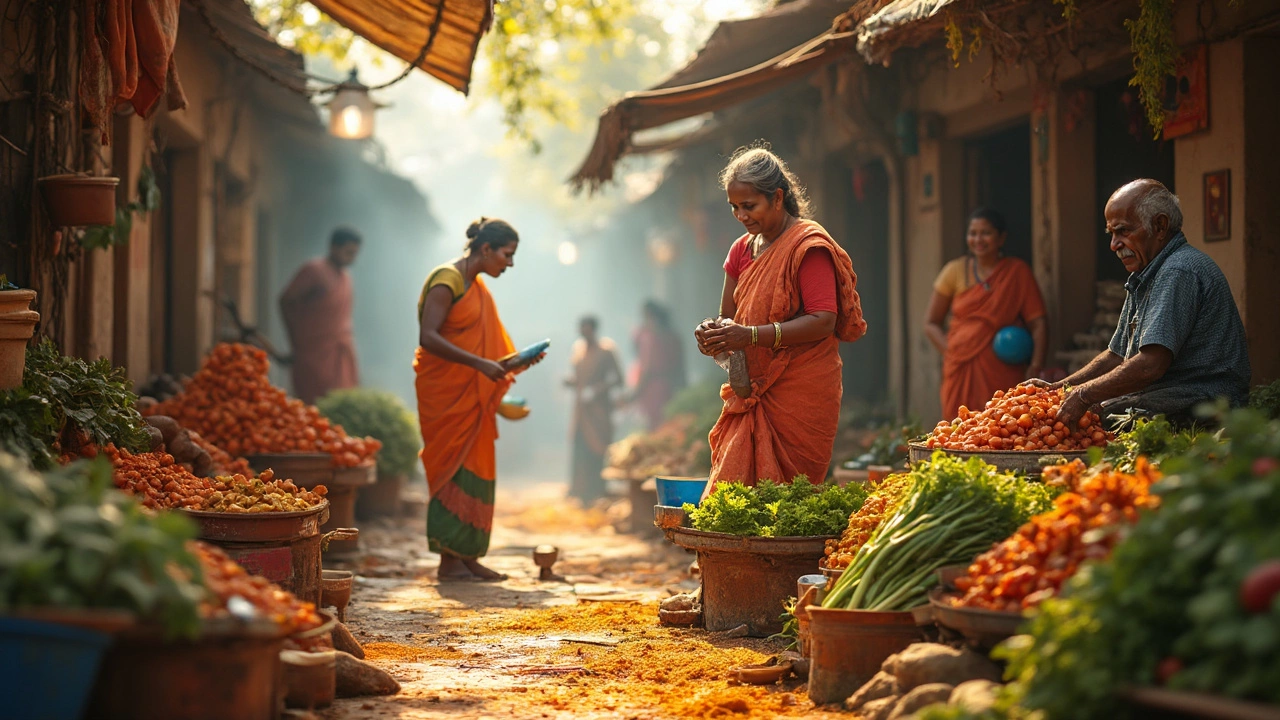
Which Country Is Pure Vegetarian? A Look At Indian Dishes and Culture
Curious about which country truly embraces pure vegetarianism? India stands out, not just in the numbers but in how deeply vegetarian food is woven into its culture and daily meals. This article explores why India stands apart, how vegetarianism shows up in local communities, what classic Indian veggie dishes you’ll find, and some smart tips for eating veg in India. If you love plant-based food or just want to eat more plants on your travels, this one’s for you.
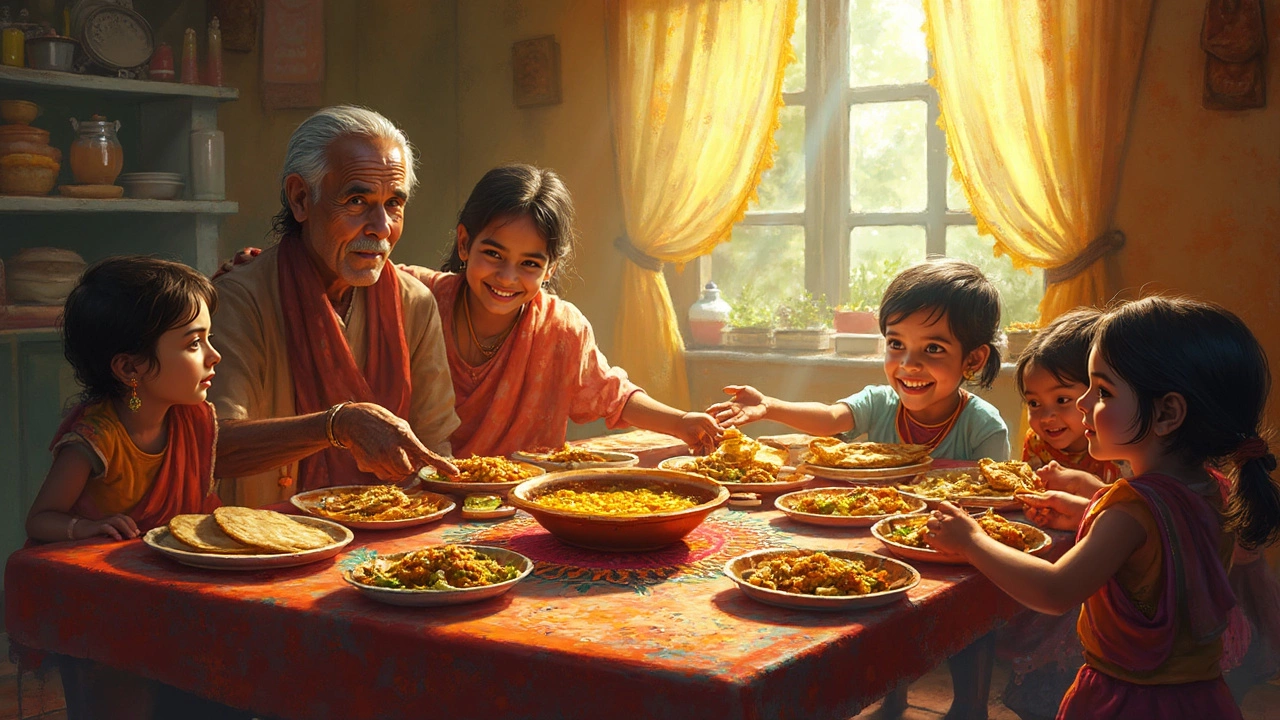
Understanding Religions and Vegetarianism: A Peek into Hinduism
Hinduism is a religion where a majority follow a vegetarian diet, deeply rooted in cultural and religious beliefs. This article explores why Hinduism embraces vegetarianism, unveiling various vegetarian dishes that are staples in this faith. Understand how these meals foster a harmonious relationship between spirituality and everyday life. From beloved classics like dal to special festival dishes, learn how vegetarianism connects deeply with the Hindu faith.

Why Vegetarian Dishes Reign Supreme in India
Vegetarian dishes hold immense popularity in India due to a combination of cultural, religious, and health reasons. Rooted deeply in tradition, about 30 percent of Indians identify as vegetarian. Factors like religious beliefs, particularly in Hinduism and Jainism, alongside the culinary variety offered by vegetarian meals, contribute to this preference. These dishes not only cater to local tastes but also offer a playful spin on what's considered healthy eating worldwide.
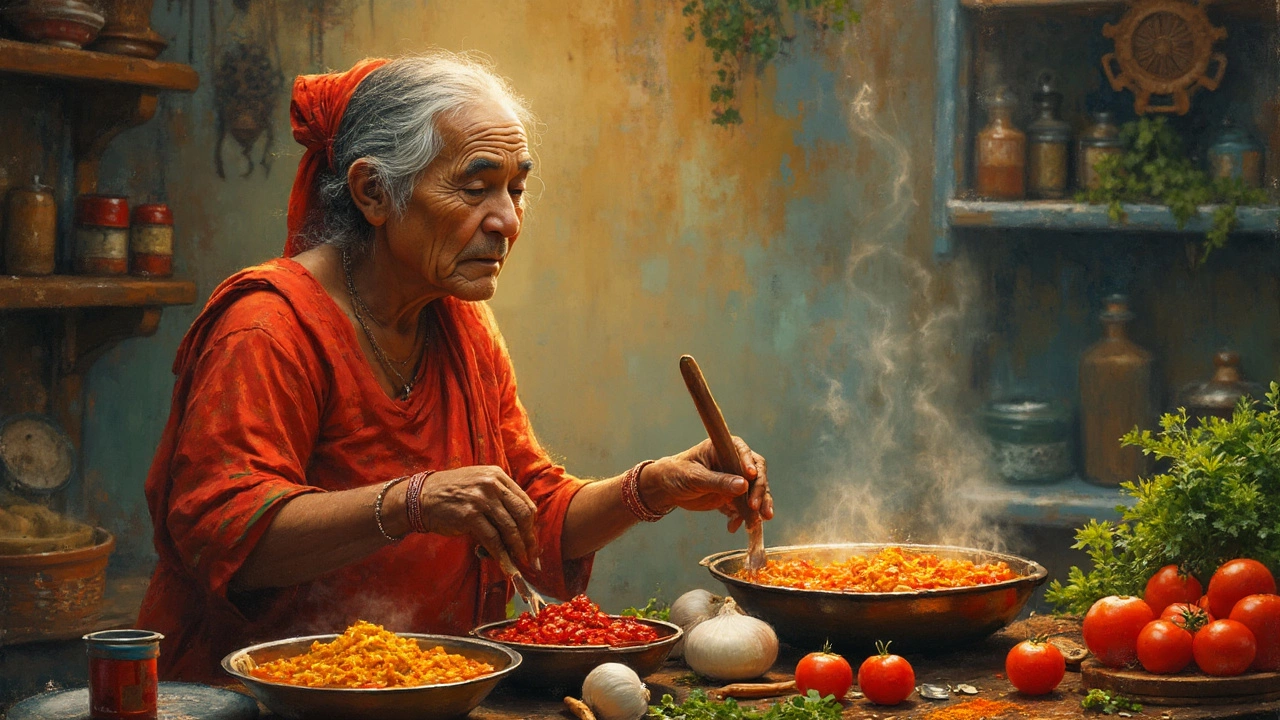
What's the Most Ordered Vegetarian Dish in India?
Indian cuisine offers a wide range of delicious vegetarian dishes, and one stands out as the most ordered across the country. This article explores the factors contributing to the popularity of this beloved dish, its unique ingredients, and its cultural significance. Whether you're a seasoned lover of Indian food or a curious newcomer, you'll find valuable insights into what makes this dish so irresistible. Additionally, discover some easy tips to try making it at home.
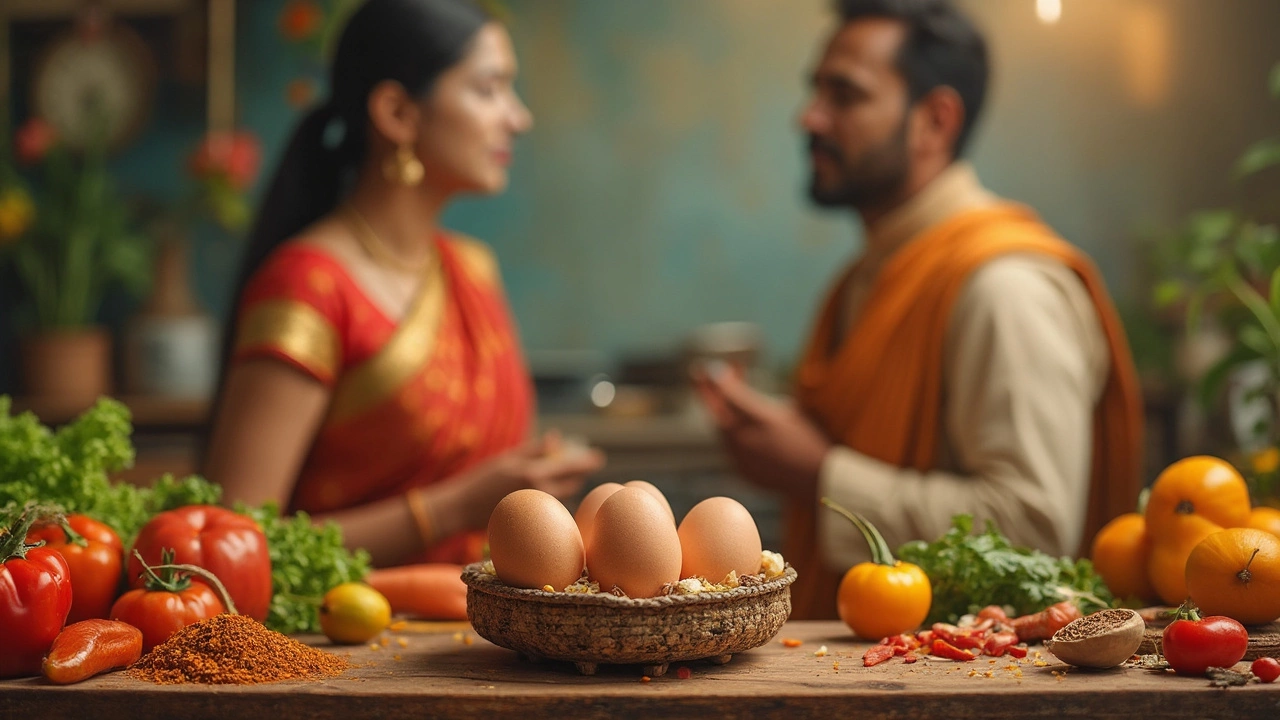
Are Eggs OK to Eat in India? Exploring Culinary Traditions and Preferences
While India is known for its rich and diverse vegetarian cuisine, the inclusion of eggs in a vegetarian diet can be a topic of debate. With varying regional traditions and personal preferences, understanding the cultural and dietary significance of eggs in India can offer fascinating insights. This article explores whether eggs fit into the vegetarian paradigm in India, how they're perceived across different regions, and offers tips on incorporating them into meals. Find out how eggs can play a role in Indian vegetarian dishes while respecting cultural preferences.
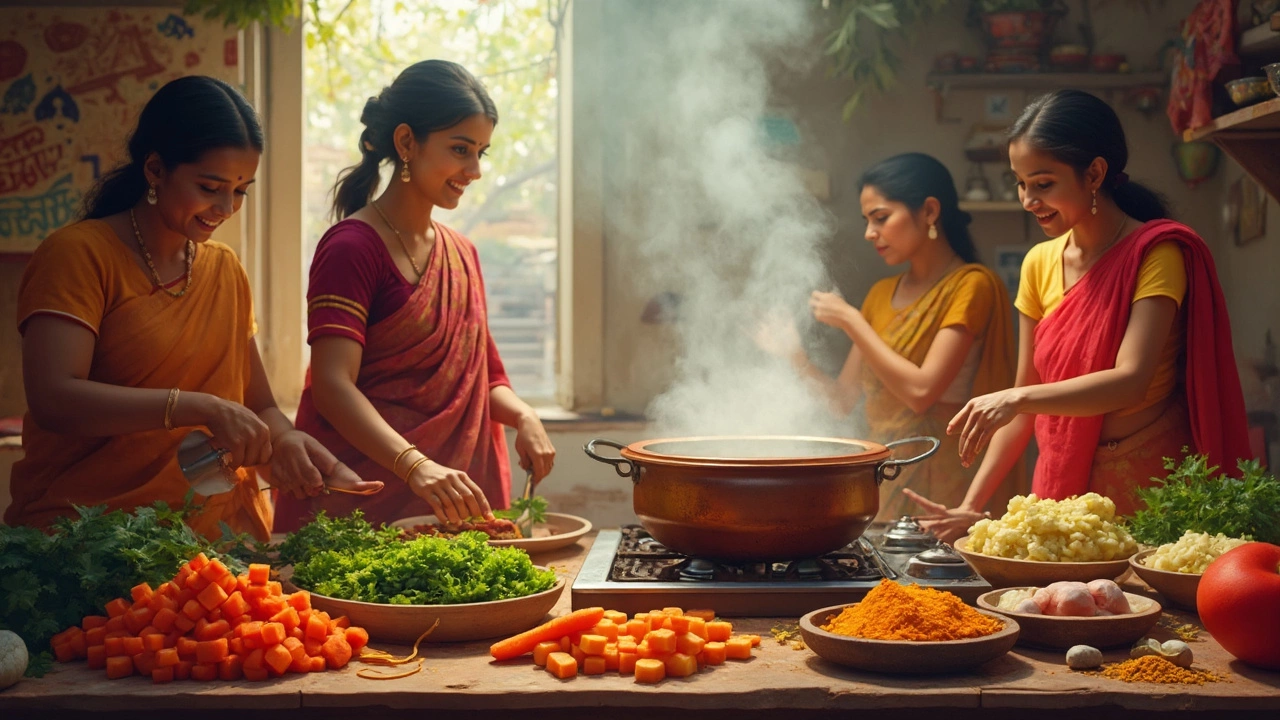
Is Indian Vegetarian Food Healthy? Exploring Its Benefits
Indian vegetarian food is more than just a staple of the subcontinent; it's a culinary art form that combines nutrition and delicious flavors. This article delves into the health aspects of Indian vegetarian dishes, highlighting how spices and ingredients contribute to overall well-being. Whether it's the fiber-rich legumes or antioxidant-packed spices like turmeric, Indian vegetarian cuisine offers numerous health benefits. Understanding these can help anyone make informed dietary choices while enjoying the richness of Indian flavors.
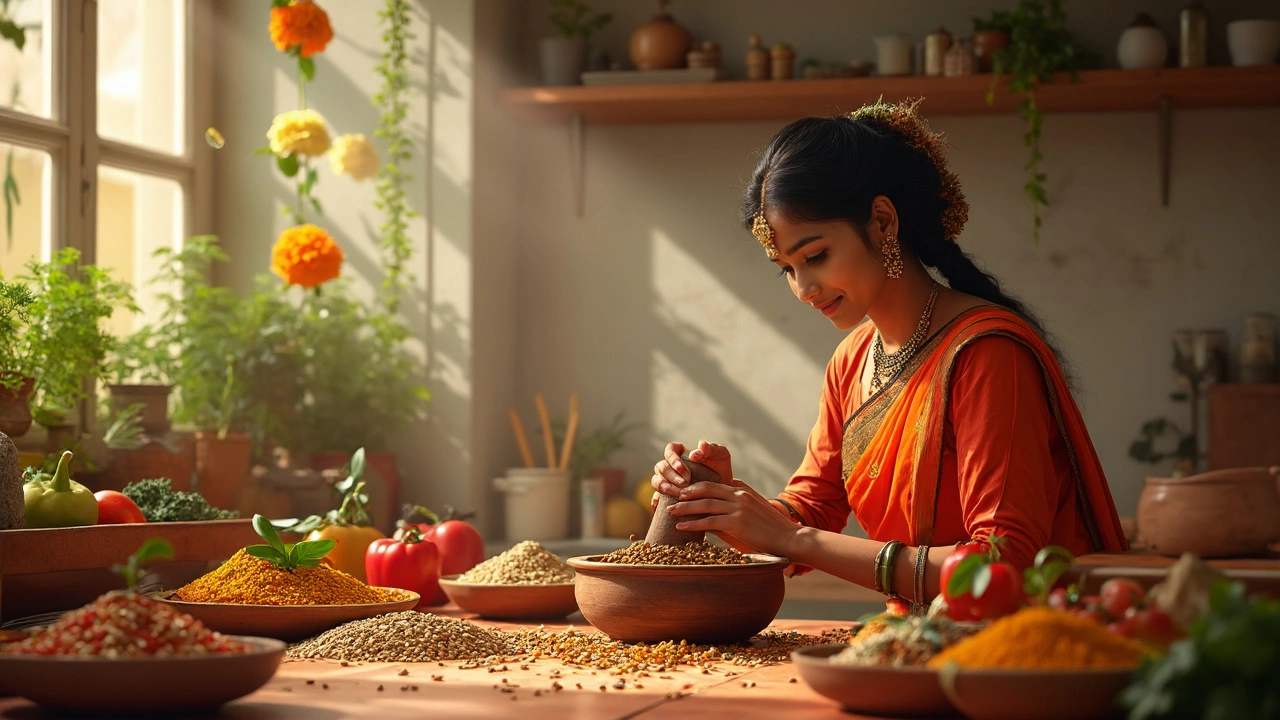
Vegetarian Indian Meal: A Flavorful Adventure
Discover the vibrant world of vegetarian Indian meals, where flavors, spices, and textures come together for a unique culinary experience. Unlock the secret of India's diverse vegetarian dishes, which have been perfected over centuries. Learn about staple ingredients like lentils, spices, and grains, and how they shape each dish. Explore tips for creating authentic flavors in your kitchen and delve into the cultural significance of vegetarianism in India.

Top Vegetarian Indian Dishes to Satisfy Your Taste Buds
Discover the delicious world of vegetarian Indian cuisine, offering a rich variety of flavors and textures. From hearty curries to savory snacks, these dishes are packed with spices and wholesome ingredients. Learn about some popular vegetarian dishes like Paneer Tikka and Chana Masala, alongside tips for making them at home. Whether you're a fan of spicy flavors or prefer something milder, there's a dish for everyone. Dive into this vibrant culinary tradition and explore how easy it can be to enjoy healthy and tasty Indian meals.
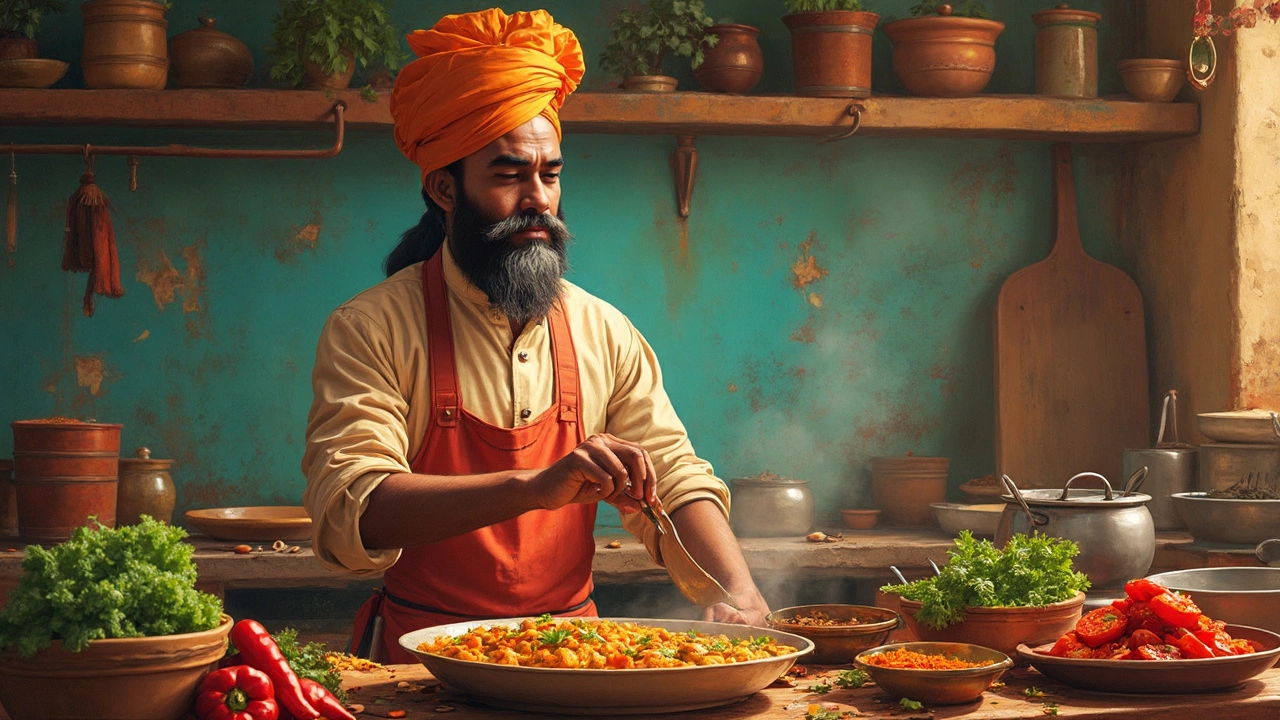
Discovering the Most Popular Vegetarian Indian Dish
Dive into the world of Indian vegetarian cuisine by exploring its most popular dish. This article uncovers the cultural significance, unique flavors, and cooking techniques that make this dish a favorite. Learn how its vibrant ingredients come together to create a healthy and satisfying meal. Find out why it's loved by vegetarians and non-vegetarians alike, and get tips on how to enjoy it at home. Perfect for anyone wanting to add some spice to their vegetarian diet.