Tofu vs. Paneer Daily Impact Calculator
Curious about the difference? Use this tool to visualize exactly how your choice impacts your daily macros. Based on standard nutritional values per 100g: Tofu (~144 kcal, 8g Fat) vs. Paneer (~265 kcal, 20g Fat). Adjust sliders below to see real-time results.
Select Your Daily Portions
Based on inputs above
Your nutritional balance looks good. Keep monitoring saturated fat if you increase paneer portions.
There is a common debate in vegetarian households: should you be eating tofu or paneer every single day? Both offer incredible protein value, yet both come with distinct nutritional caveats. The short answer is yes, you can include them in your daily routine, but with significant conditions regarding portion size and variety. Eating the same protein source exclusively can lead to nutrient imbalances.
This guide breaks down exactly what happens when you consume these staples frequently. We will look at the saturated fat differences, kidney health concerns, and how to prepare them safely at home. Understanding the biology behind your food helps you avoid unnecessary restrictions while maximizing health benefits.
The Fundamental Difference Between Tofu and Paneer
To understand the frequency of consumption, you must first grasp their origins. They are fundamentally different products derived from completely different base ingredients. One comes from plants, the other from dairy. This distinction dictates their nutritional profile.
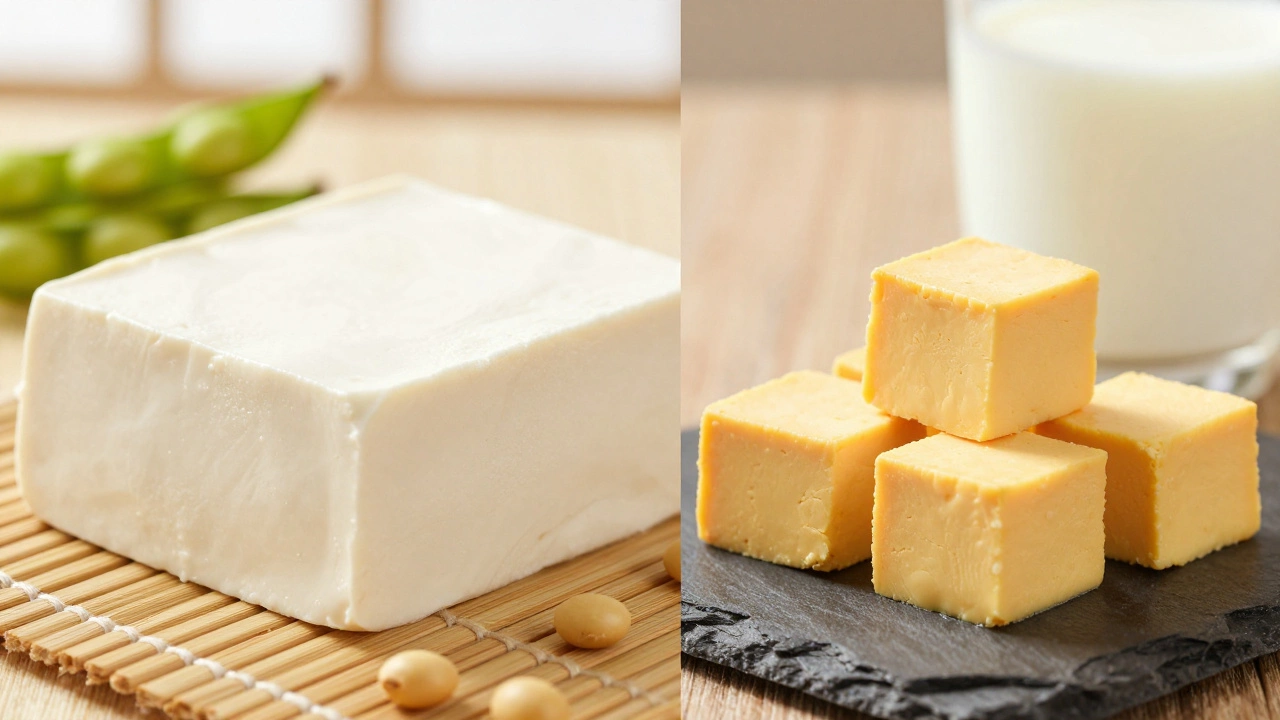
Tofu is a food made by coagulating soy milk and then pressing the resulting curds into soft white blocks. It is often called "beancurd." Being plant-based, it contains no cholesterol and is low in saturated fats. In contrast, paneer is a non-melting fresh cheese common in South Asia. It is made by curdling milk with an acid like lemon juice or vinegar.
When comparing them directly, the fat content stands out immediately. Tofu typically has very low fat content depending on how firm the block is, whereas paneer is naturally rich in fat because it comes from full-fat milk. If you are watching your heart health, relying solely on paneer daily adds a significant amount of saturated fat to your diet. Excess saturated fat raises LDL cholesterol levels, which is a risk factor for cardiovascular disease.
Nutritional Value Per Serving
Let's look at the numbers. Knowing exactly what goes into your body helps decide if "daily" makes sense. A standard serving is roughly 100 grams of either product.
| Attribute | Tofu (Firm) | Paneer (Homemade) |
|---|---|---|
| Calories | ~144 kcal | ~265 kcal |
| Protein | ~15g | ~18-20g |
| Fat | ~8g | ~20g |
| Saturated Fat | ~1.3g | ~11g |
| Calcium | ~350mg (with calcium sulfate) | ~200mg |
Notice the protein similarity? Both deliver excellent amounts of protein. Paneer slightly edges out tofu here, but tofu compensates with significantly fewer calories and much less saturated fat. The calcium situation is interesting; if you use commercial tofu set with calcium sulfate, you actually get more calcium than from paneer. This matters for bone density, especially for vegetarians who might miss out on animal sources.
Another crucial difference lies in digestibility. Plant proteins sometimes lack specific essential amino acids, making them incomplete proteins. However, soy (tofu) is rare in that regard-it is a complete protein containing all nine essential amino acids. Paneer, being an animal protein, is naturally complete. Therefore, nutritionally speaking, both support muscle building effectively.
Risks of Daily Consumption: What to Watch For
While both foods are healthy, "daily" consumption introduces specific physiological considerations. Variety remains the golden rule of nutrition. Relying on one ingredient too heavily creates blind spots in your diet.
First, consider the iodine-thyroid connection. Soybeans contain compounds called isoflavones. In some studies, excessive soy intake has been linked to thyroid dysfunction in individuals who already have iodine deficiencies. If your thyroid gland is healthy and you consume enough iodine (often found in salt or seafood), moderate tofu consumption is usually fine. However, eating massive quantities of tofu every day alongside a low-iodine diet could potentially stress thyroid function.
Next, let's talk about oxalates and kidney health. There is a widespread myth that plant protein causes kidney stones. Tofu contains phytates and oxalates, but generally at lower levels than spinach or nuts. Paneer, being a dairy product, is free of oxalates but high in calcium and phosphorus. Interestingly, dietary calcium binds with oxalates in the gut, preventing them from reaching the kidneys. So, eating tofu with a meal containing calcium is better for kidney health than drinking smoothies of oxalate-heavy greens alone.
For those watching weight gain, the calorie density of paneer is a real hurdle. If you eat 200 grams of paneer daily, that is roughly 500 extra calories from fat alone. Over a month, this translates to significant body mass changes unless your activity level matches the caloric intake. Tofu remains neutral in this aspect; it fills you up without spiking energy stores.
Making Your Own Paneer: Control Your Intake
If you love paneer but want to eat it daily, the method of preparation changes everything. Store-bought paneer often uses vegetable ghee or preservatives to extend shelf life. This drastically increases the saturated fat content beyond natural levels. Making it at home allows you to control the fat percentage.
Here is a quick heuristic for healthier homemade paneer:
- Use Low-Fat Milk: Skim milk paneer tastes firmer and is lower in fat compared to whole milk versions.
- Wash the Curls Thoroughly: Washing removes excess lactose, reducing digestive bloating and gas.
- No Oil Needed: When sautéing, use minimal oil. Paneer releases its own grease when cooked.
- Check Acidity: Use lemon juice instead of vinegar for a cleaner taste and fewer chemicals.
Homemade Paneer serves as a versatile vegetarian protein block that absorbs spices well. Unlike store versions, you know exactly how much milk went into it. If you make it yourself, you can ensure it stays hygienic and free of added oils, making daily consumption safer regarding cholesterol levels.
The Importance of Rotating Protein Sources
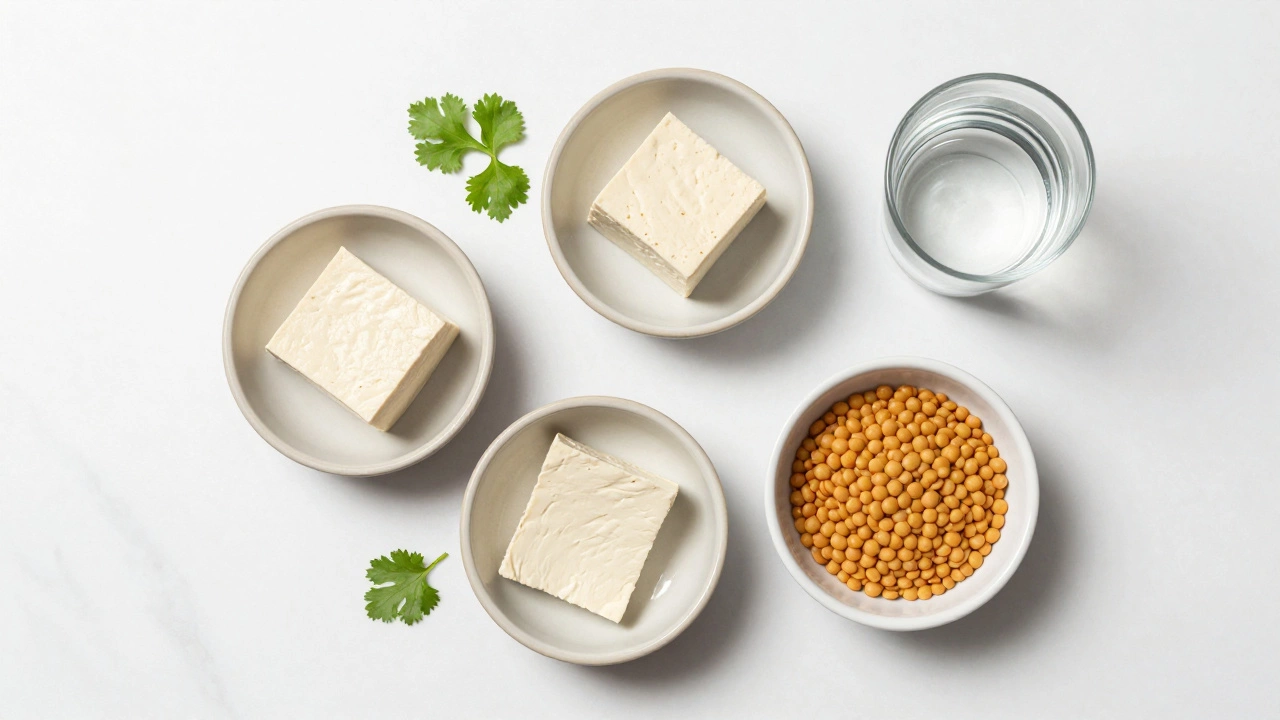
You do not need to choose between tofu and paneer forever. The best approach is rotation. Think of your plate as a buffet. If you eat tofu today, maybe try lentils (dal) tomorrow. If you have paneer curry tonight, switch to quinoa or chicken next meal.
This rotation ensures you get a broad spectrum of micronutrients. Tofu offers iron and magnesium. Paneer provides Vitamin B12 and Zinc. Neither source gives you everything. By combining them with other vegetables, legumes, and nuts, you create a synergistic effect where nutrients help each other absorb.
Specific combinations work wonders:
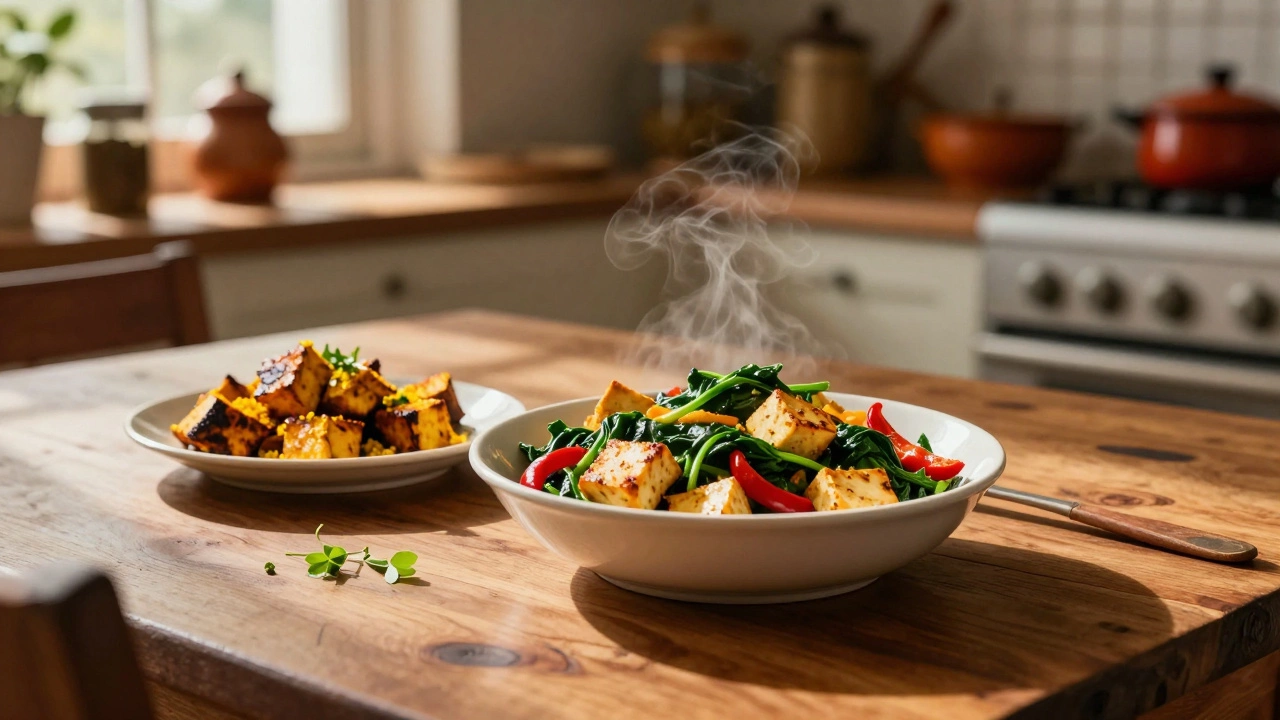
- Tofu + Spinach: Vitamin C in spinach boosts iron absorption from tofu.
- Paneer + Peppers: Capsicum provides Vitamin C, improving calcium utilization.
- Lentils + Rice: A classic complementary protein combination for days off dairy and soy.
Finally, listen to your body. Some people are sensitive to lactose even in paneer due to the residual milk sugars. Others have allergies to soy. Daily eating should never cause bloating, fatigue, or skin breakouts. If these symptoms appear after introducing these foods daily, reduce frequency immediately.
Practical Daily Guidelines
Based on general nutritional standards, here is a safe framework:
- Tofu: You can eat up to 200 grams daily without issue for most adults.
- Paneer: Limit to 100-125 grams daily to manage saturated fat intake.
- Cooking Method: Avoid deep-frying either option. Grilling, pan-searing, or boiling preserves nutrients.
- Hydration: High-protein diets require more water to process nitrogen waste. Drink an extra glass of water per serving.
Does eating tofu daily affect hormones?
Moderate tofu consumption does not negatively affect hormones in healthy individuals. While soy contains phytoestrogens, the body regulates them differently than actual hormones. Issues arise only with extreme, isolated consumption in people with pre-existing hormonal imbalances.
Is paneer bad for cholesterol?
Paneer contains saturated fat which can raise LDL (bad) cholesterol if eaten in large amounts daily. However, as part of a balanced diet with limited portions, it does not pose a significant risk to healthy individuals. Opt for low-fat milk when making paneer at home.
Which is better for weight loss, tofu or paneer?
Tofu is significantly lower in calories and fat. It provides satiety with fewer energy inputs, making it the superior choice for active weight loss goals. Paneer is denser and harder to burn off without exercise.
Can I substitute tofu for paneer in all recipes?
Not entirely. Paneer holds its shape well when fried, while tofu can crumble. To mimic paneer's texture in curries, press tofu firmly or fry it until crispy before adding sauces. Tofu absorbs spice better than paneer, changing the flavor profile.
What is the safest way to eat paneer daily?
Make it at home using semi-skimmed milk to reduce saturated fat. Portion control is key-stick to 100g per meal. Pair it with fiber-rich vegetables to slow down fat absorption in the bloodstream.