Healthy Dosa Meal Builder
Customize Your Plate
Your Daily Dosa Profile
Imagine starting your morning with a crisp, golden-brown dosa is a thin South Indian crepe made from fermented rice and lentil batter, served hot with spicy chutney. It’s light, digestible, and tastes amazing. But if you’re eating it every single day, you might be wondering: is this actually good for me? Or am I missing out on essential nutrients?
The short answer is yes, you can eat dosa every day-but only if you do it right. A standard white rice dosa is mostly carbohydrates with very little protein or fiber. Eating that alone daily could lead to nutritional gaps. However, when you tweak the ingredients, add toppings, and balance your plate, dosa becomes a powerhouse of probiotics and sustained energy.
Why Fermentation Makes Dosa Unique
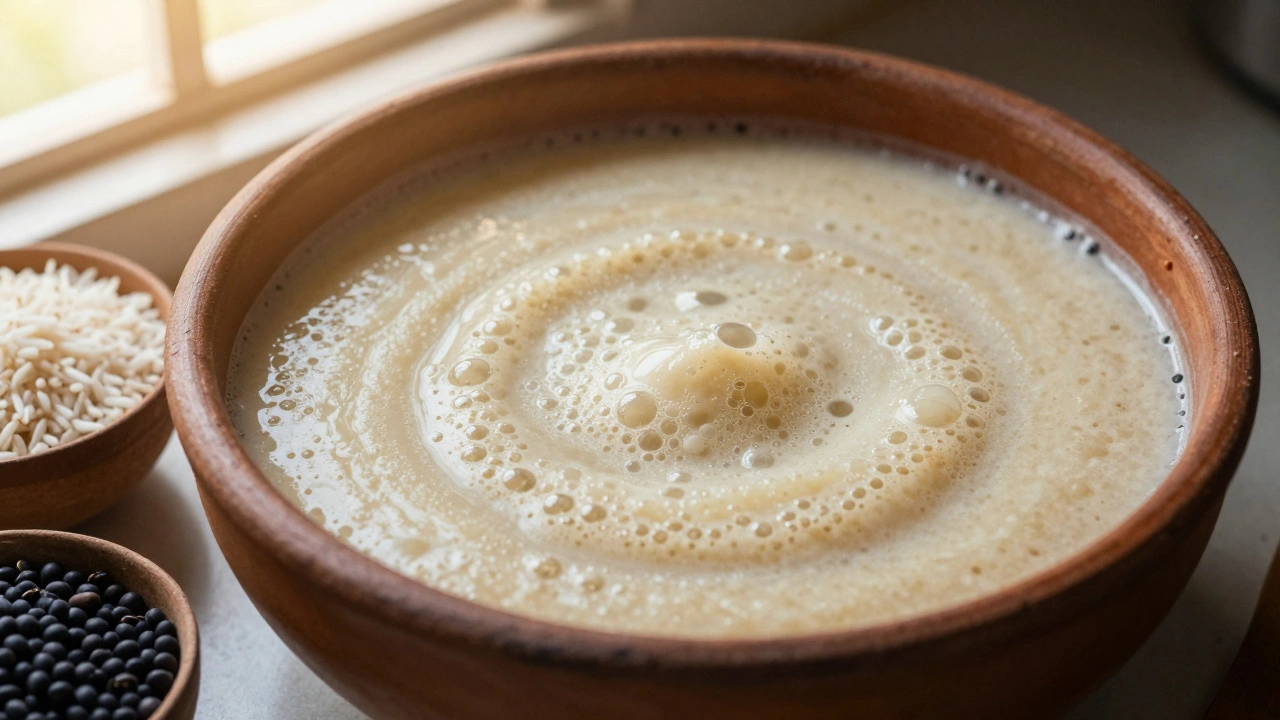
What sets dosa apart from other pancakes or crepes is the fermentation process. When you mix rice (usually raw rice) and urad dal (black gram), then let the batter sit for 8-12 hours, magic happens. Wild yeasts and bacteria break down complex starches into simpler sugars. This process creates lactic acid bacteria, which are natural probiotics.
These probiotics support gut health by balancing your microbiome. They help with digestion, reduce bloating, and may even boost immunity. In fact, studies have shown that fermented foods like dosa batter contain significantly higher levels of B vitamins compared to unfermented grains. The fermentation also reduces anti-nutrients like phytic acid, making minerals such as iron and zinc more available for your body to absorb.
If you skip the fermentation step-like in instant mixes that don’t require soaking-you lose these benefits. Always choose traditional methods or high-quality pre-fermented batters to get the full health advantage.
Nutritional Breakdown: What’s Really in Your Dosa?
Let’s look at what a typical plain dosa offers per 100 grams:
- Calories: ~160 kcal
- Carbohydrates: ~30g
- Protein: ~4g
- Fat: ~2g
- Fiber: ~1g
This looks decent at first glance, but there’s a catch. Most home-made dosas use a ratio of 2:1 rice to urad dal. That means they’re heavy on carbs and light on protein. If you eat three dosas for breakfast, you’re getting nearly 90g of carbs but only 12g of protein. Without enough protein or fiber, your blood sugar spikes quickly, leading to an energy crash later.
To fix this, you need to change the batter composition. Adding more urad dal increases protein. Including millets like ragi (finger millet) or oats boosts fiber. These small tweaks transform dosa from a simple carb source into a balanced meal.
| Type of Dosa | Calories | Protein (g) | Fiber (g) | Glycemic Index |
|---|---|---|---|---|
| Plain White Rice Dosa | 160 | 4 | 1 | High (~75) |
| Ragi (Finger Millet) Dosa | 140 | 5 | 3 | Medium (~55) |
| Oats Dosa | 130 | 6 | 4 | Low (~45) |
| Sabudana (Tapioca) Dosa | 180 | 1 | 0.5 | Very High (~85) |
How to Make Daily Dosa Healthy
Eating dosa daily isn’t just about the crepe itself-it’s about how you build your entire meal. Here’s how to turn it into a nutritious routine:
- Change the Batter Ratio: Use a 1:1 ratio of rice to urad dal instead of 2:1. This doubles the protein content without changing the texture much. You can also add 10% chickpea flour (besan) for extra thickness and protein.
- Add Millets: Replace 20-30% of the white rice with ragi, jowar (sorghum), or bajra (pearl millet). These grains are rich in iron, calcium, and magnesium. Ragi dosa, for example, has twice the calcium of regular rice dosa.
- Include Vegetables: Don’t rely solely on chutney for veggies. Mix grated carrots, spinach, or finely chopped onions directly into the batter. This adds volume, fiber, and micronutrients without adding calories.
- Choose Smart Toppings: Instead of butter or oil, use a drizzle of ghee (in moderation) or serve with coconut chutney made with less salt. Add a side of sambar-a lentil-based vegetable stew-to boost protein and fiber further.
- Vary Your Sources: Rotate between different types of dosa throughout the week. Try moong dal dosa one day, oats dosa another, and plain dosa occasionally. This ensures you get a wider range of nutrients.
By making these adjustments, you’re not just eating a snack-you’re fueling your body with slow-release energy, gut-friendly bacteria, and essential minerals.
Potential Risks of Eating Dosa Every Day
Even with modifications, some risks remain if you’re not careful. Here’s what to watch out for:
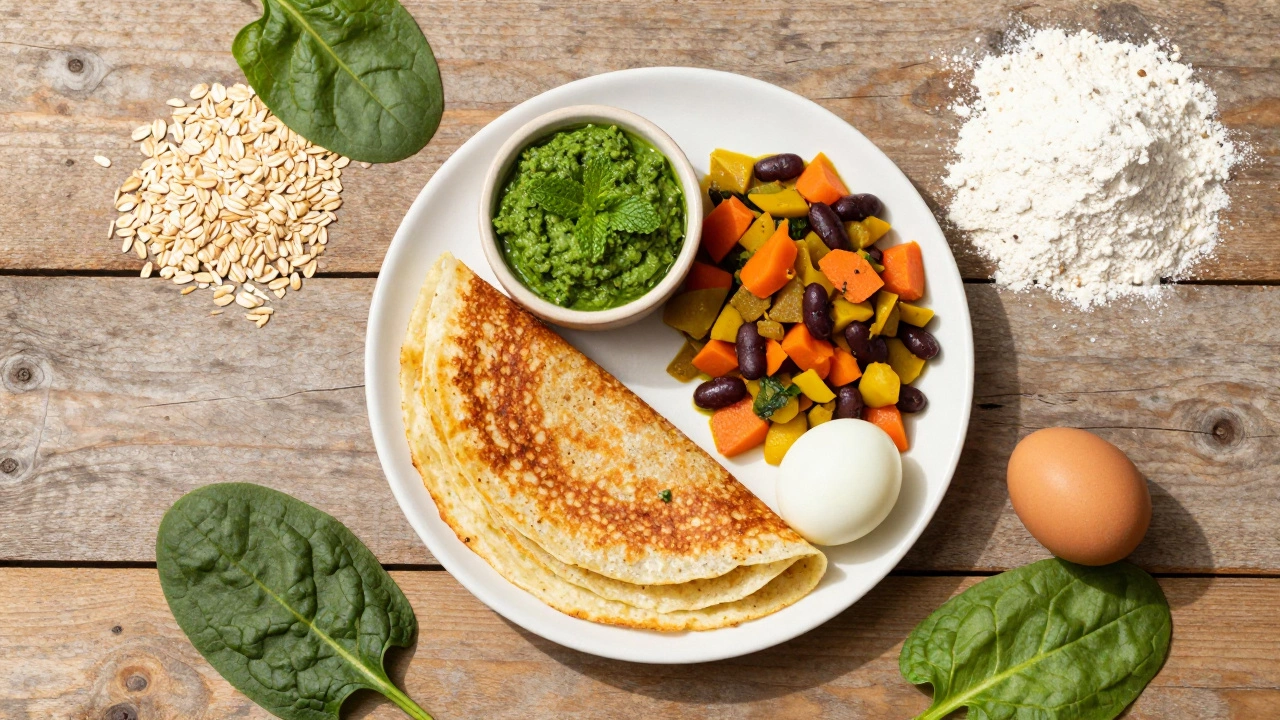
- Blood Sugar Spikes: Plain dosa has a high glycemic index. If you have diabetes or insulin resistance, eating large portions regularly can worsen control. Pairing it with protein-rich sides like boiled eggs or paneer helps mitigate this.
- Weight Gain: While dosa is relatively low in fat, it’s easy to overeat because it’s so tasty. Three or four dosas plus chutney and sambar can easily exceed 500 calories. Monitor portion sizes, especially if you’re sedentary.
- Lack of Variety: Eating the same food daily limits your exposure to diverse phytonutrients found in fruits, vegetables, nuts, and seeds. Even healthy diets need variety to prevent deficiencies.
- Sodium Intake: Many store-bought chutneys and sambar powders are loaded with salt. Over time, excessive sodium intake raises blood pressure. Opt for homemade versions where you control the seasoning.
For most people, these risks are manageable with mindful choices. But if you have specific health conditions like diabetes, kidney disease, or hypertension, consult a dietitian before making dosa a daily staple.
Dosa vs. Other Breakfast Options
Is dosa really better than other popular breakfasts? Let’s compare it to common alternatives:
- Pancakes/Waffles: Made with refined flour and sugar, these lack fermentation benefits and spike blood sugar faster. Dosa wins on nutrition and satiety.
- Cereal/Muesli: Often high in added sugars and low in protein unless fortified. Dosa provides natural probiotics and whole-grain complexity.
- Egg Scramble: Higher in protein and healthy fats, but lacks the gut-health benefits of fermented foods. Combining eggs with dosa gives you the best of both worlds.
- Toast with Jam: Low in fiber and protein, high in simple carbs. Dosa offers more staying power and fewer cravings mid-morning.
Dosa stands out because it combines convenience, taste, and functional nutrition. When prepared traditionally, it’s one of the few breakfasts that actively supports digestive health while providing energy.
Who Should Avoid Daily Dosa?
While dosa is generally safe, certain groups should approach it cautiously:
- People with Gluten Sensitivity: Traditional dosa is gluten-free since it uses rice and lentils. However, cross-contamination can occur in shared kitchens. Those with celiac disease must ensure strict separation during preparation.
- Individuals with Acid Reflux: The acidity from fermentation might trigger heartburn in sensitive individuals. Reducing fermentation time or adding baking soda can neutralize excess acid.
- Those with Kidney Issues: Lentils contain potassium and phosphorus, which may need restriction in advanced kidney disease. Consult your doctor before increasing legume intake.
- Children Under Two: Infants’ digestive systems aren’t ready for fermented foods. Wait until age two before introducing regular dosa, and start with smaller, softer versions.
For everyone else, dosa is a flexible, adaptable food that fits into almost any lifestyle.
Real-Life Example: A Balanced Daily Dosa Routine
Here’s how Priya, a software engineer in Bangalore, structures her daily dosa meals:
Monday: Ragi dosa with mint chutney + boiled egg. She swaps half the rice for ragi flour, boosting fiber and calcium. The egg adds complete protein.
Tuesday: Plain dosa with sambar packed with drumsticks, carrots, and beans. The sambar contributes additional plant-based protein and antioxidants.
Wednesday: Oats dosa with tomato-onion chutney. Lower glycemic load keeps her energy stable through afternoon meetings.
Thursday: Moong dal dosa with peanut chutney. Moong dal is easier to digest than urad dal, reducing bloating after long workdays.
Friday: Vegetable-loaded dosa (spinach, carrot, beetroot) with no extra chutney. The veggies provide beta-carotene and folate naturally.
Weekend: Occasional indulgence with masala dosa (potato filling) and coconut chutney. Treats keep motivation high without derailing progress.
Priya reports improved digestion, steady energy levels, and no weight gain despite eating dosa six days a week. Her secret? Variation, portion control, and smart pairings.
Is dosa good for weight loss?
Yes, when eaten in controlled portions and paired with protein-rich sides. Plain dosa has moderate calories (~160 per 100g), but its low fat content means it doesn’t fill you up quickly. To aid weight loss, increase the proportion of urad dal or millets in the batter, avoid butter/oil, and include a side of sambar or salad. Avoid masala dosa with potato filling, as it adds significant carbs and calories.
Can diabetics eat dosa every day?
With caution. Plain white rice dosa has a high glycemic index and can cause rapid blood sugar spikes. Diabetics should opt for millets-based dosas (ragi, jowar, oats) which have lower GI values. Always pair dosa with protein sources like eggs, paneer, or sprouts to slow carbohydrate absorption. Monitor blood glucose levels after meals to determine personal tolerance.
Does dosa help with digestion?
Absolutely. The fermentation process introduces beneficial lactic acid bacteria that act as natural probiotics. These microbes improve gut flora balance, enhance nutrient absorption, and reduce symptoms like bloating and constipation. Regular consumers often report smoother digestion compared to non-fermented grain products.
What is the healthiest type of dosa?
Ragi (finger millet) dosa and oats dosa are considered the healthiest due to their high fiber, iron, and calcium content, along with lower glycemic indices. Moong dal dosa is also excellent for easy digestion and higher protein. Avoid sabudana (tapioca) dosa if you’re watching blood sugar, as it’s nearly pure starch with minimal nutrients.
How many dosas can I eat per day?
Two to three medium-sized dosas (each about 100g) per meal is reasonable for most adults. Beyond that, you risk consuming too many carbohydrates without sufficient protein or fiber. Adjust based on activity level-active individuals may tolerate more, while sedentary folks should stick to two. Always accompany with chutney/sambar for balanced nutrition.
Can I freeze dosa batter for daily use?
Yes, but with limitations. Freezing pauses fermentation, so thawed batter won’t rise as well. For best results, ferment fresh batter every 2-3 days. Store unused portions in the fridge for up to 3 days. If freezing, divide into small batches and thaw overnight in the refrigerator. Add a pinch of baking soda before cooking to restore fluffiness.
Is dosa suitable for vegetarians?
Yes, traditional dosa is completely vegetarian and vegan-friendly. The base consists of rice, lentils, and water-all plant-based. Ensure accompaniments like chutney and sambar don’t contain animal-derived ingredients (some regional variations use fish sauce or ghee). Standard South Indian preparations are inherently vegetarian.
Why does my dosa turn yellow?
Yellow color usually indicates successful fermentation and Maillard reaction during cooking. Turmeric added to urad dal paste enhances this hue. If the dosa turns dark brown or black, it’s likely burnt. Light-colored dosa suggests under-cooking or insufficient heat. Aim for golden-brown edges with a pale center for optimal texture and flavor.