Vegetarian Religion: How Faith Shapes Indian Eating Habits
When you think of vegetarian religion, a system of belief that guides food choices through spiritual principles, often linked to non-violence and purity. Also known as religious vegetarianism, it’s not just a diet—it’s a way of living that shapes how food is prepared, shared, and respected across India. This isn’t about skipping meat because it’s trendy. It’s about centuries-old traditions where eating plants isn’t optional—it’s sacred.
In India, Hinduism, the majority religion that promotes ahimsa, or non-harm, as a core spiritual value is deeply tied to vegetarian eating. Many Hindus avoid beef because cows are seen as sacred, and some avoid all meat, eggs, and even onions and garlic based on regional customs. Then there’s Jainism, a religion that takes non-violence further by avoiding root vegetables to prevent harming tiny organisms in the soil. For Jains, a meal isn’t just food—it’s an act of compassion. These aren’t just dietary rules. They’re spiritual practices that influence everything from temple kitchens to family dinners.
What you find in Indian homes isn’t random—it’s rooted in belief. That’s why you’ll see lentils, rice, and vegetables cooked with turmeric and cumin in temples, homes, and festivals across the country. You won’t find meat in a Jain household, and in many Hindu homes, meat is reserved for special occasions—or not eaten at all. Even the way food is served matters: separate utensils for vegetarian and non-vegetarian meals, no onion or garlic in certain rituals, and meals offered to deities before anyone eats. This isn’t about restriction. It’s about intention.
The posts you’ll find here reflect this truth. You’ll read about how paneer became a staple because it’s a clean, protein-rich alternative to meat in religious meals. You’ll learn why idli and dosa are perfect breakfasts for fasting days. You’ll see how chutneys and spices are chosen not just for flavor, but for purity. And you’ll discover why some sweets are made without eggs or ghee in certain communities. This isn’t a list of recipes—it’s a window into how faith walks into the kitchen every morning.
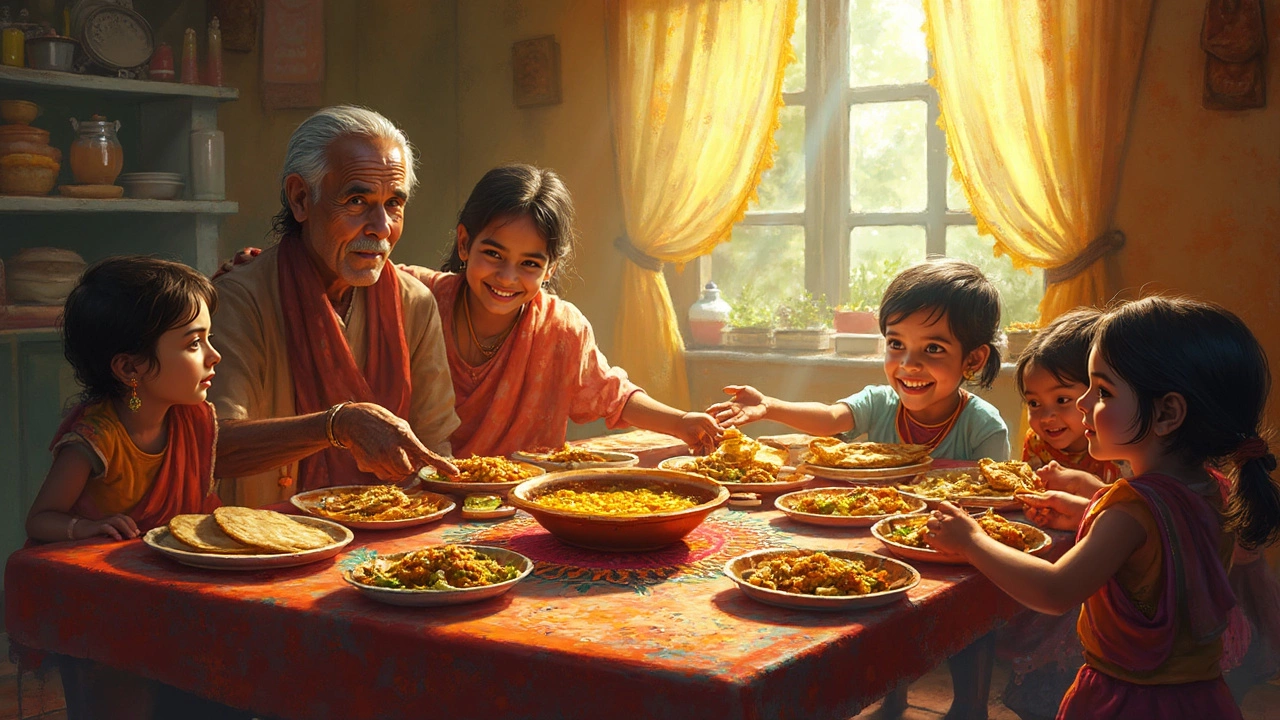
Understanding Religions and Vegetarianism: A Peek into Hinduism
Hinduism is a religion where a majority follow a vegetarian diet, deeply rooted in cultural and religious beliefs. This article explores why Hinduism embraces vegetarianism, unveiling various vegetarian dishes that are staples in this faith. Understand how these meals foster a harmonious relationship between spirituality and everyday life. From beloved classics like dal to special festival dishes, learn how vegetarianism connects deeply with the Hindu faith.