Traditional Indian Desserts: Sweet Treats from Every Region
When you think of traditional Indian desserts, a vibrant array of milk-based sweets, fried treats, and spiced puddings rooted in regional rituals and festivals. Also known as mithai, these desserts are more than just a finish to a meal—they’re a language of joy, offered at weddings, Diwali, Eid, and even quiet Sunday afternoons. You won’t find them in a single recipe book. Each state has its own version: Bengal’s rosogolla, Gujarat’s shrikhand, South India’s payasam, and Punjab’s gajar ka halwa. They’re made with simple ingredients—milk, sugar, cardamom, saffron—but the way they’re cooked turns them into something magical.
What makes these desserts special isn’t just taste—it’s technique. gulab jamun, soft, fried dough balls soaked in sugar syrup, often made from khoya (reduced milk) requires just the right oil temperature, or they turn greasy. jalebi, crispy orange spirals soaked in syrup, made from fermented batter and fried in hot oil needs patience—you can’t rush the fermentation or the pouring. And then there’s kheer, a creamy rice pudding slow-cooked with milk, cardamom, and nuts, often served at temple offerings and family gatherings. These aren’t desserts you whip up in 15 minutes. They’re made with care, passed down, and sometimes take hours.
Some of these sweets are so tied to tradition they’re almost sacred. The gold-leaf Moti Chur Laddoo, costing over ₹2.5 lakh, isn’t just expensive—it’s a symbol of heritage craftsmanship. Meanwhile, everyday desserts like halwa or peda are made in homes across India, using the same pots and spoons their grandmothers did. You don’t need fancy tools. Just a heavy-bottomed pan, a steady hand, and a little love. The posts below show you exactly how these sweets are made, why certain spices matter, what goes wrong when you skip a step, and how to fix common mistakes. Whether you’re trying to recreate a childhood memory or trying Indian sweets for the first time, you’ll find the real recipes, the real stories, and the real flavors here.
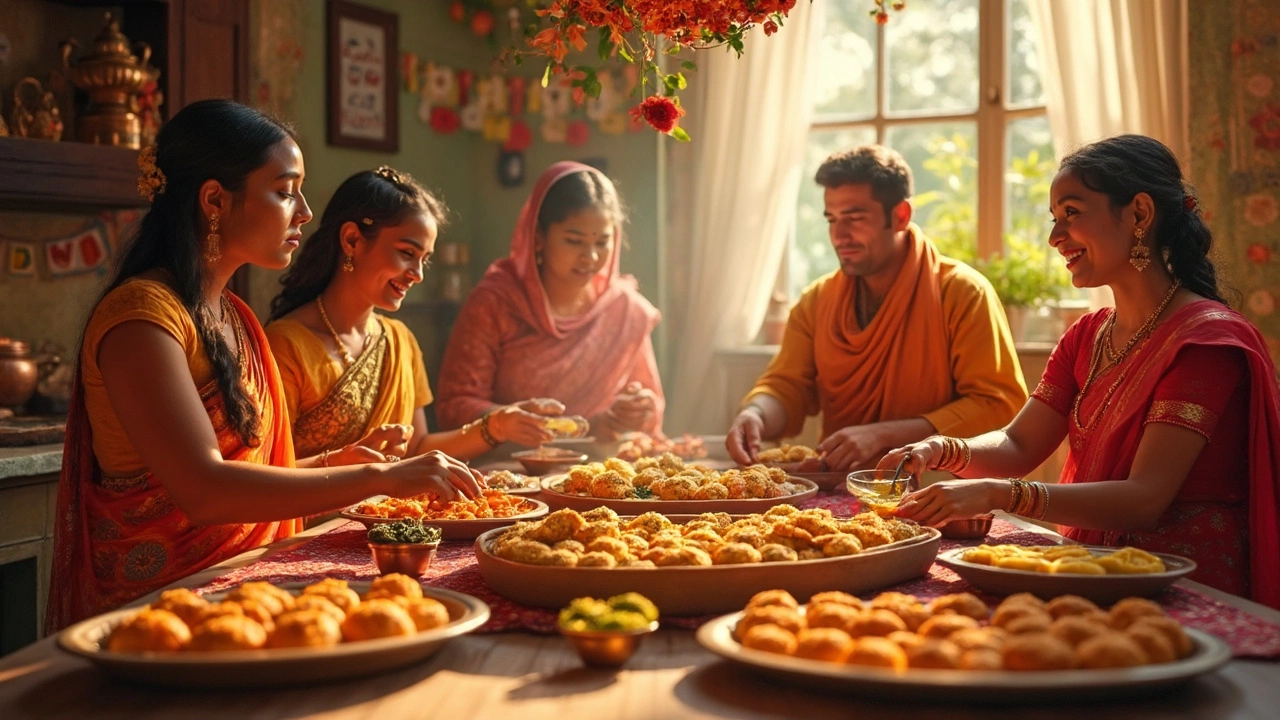
Which Sweet Is Invented in India? Iconic Indian Sweets Explained
Ever wondered which sweets actually come from India? This article digs into the fascinating origins of famous Indian desserts, sharing stories, quick facts, and recipe tips. You’ll find out which treats were first made in India, how they’ve changed over time, and why they matter during celebrations. Plus, get handy advice if you want to try making real Indian sweets at home. Perfect for anyone who loves mithai or just wants to cook something different.