Sour Dosa Batter: Why It Matters and How to Fix It
When your sour dosa batter, a fermented rice and lentil mixture used to make crispy South Indian pancakes. Also known as fermented dosa batter, it's the foundation of one of India’s most loved breakfasts. A little tang? Good. A rotten smell? Not good. The sourness in dosa batter comes from natural lactic acid bacteria—same ones that make yogurt and kimchi. It’s not a flaw, it’s the point. Without it, your dosa won’t puff, won’t crisp, and won’t taste like the ones you get at a roadside stall in Chennai.
That sour kick? It’s tied to fermentation time, temperature, and the ratio of rice to urad dal. Most recipes call for 1:3 rice to lentils, soaked overnight, then ground and left to sit. In warm kitchens (above 80°F), it’s ready in 8–12 hours. In cooler places? It can take 18–24. If you live in a cold city and your batter stays thick and sweet, that’s why your dosas turn out flat and doughy. The bacteria need warmth to do their job. And if you leave it too long? It gets overly sour, smells boozy, and separates. That’s not spoiled—it’s over-fermented. You can still fix it.
You don’t need to throw it out. Add a pinch of baking soda, mix well, and let it rest for 20 minutes. The acid gets neutralized, the batter lightens, and your dosas bounce back. Some cooks even add a spoon of cooked rice or yogurt to balance the tang. It’s not magic—it’s chemistry. And it’s been done in Indian homes for generations. This isn’t about following a recipe by the clock. It’s about reading your batter. Is it bubbly? Smells like yogurt, not vinegar? Good. Is it slimy or gray? Toss it. But if it’s just sour? That’s your sign it’s ready.
What you’ll find below are real fixes, real stories, and real recipes from people who’ve been there. From why your batter didn’t rise at all, to how to store it for days without losing flavor, to what happens when you use leftover rice water instead of plain water. You’ll see how fermentation, the natural process where microbes break down sugars into acids and gases affects texture and taste. You’ll learn how idli dosa batter, a shared batter base used for both steamed idlis and crispy dosas can be tweaked for different results. And you’ll find out why some swear by stone grinding over blenders, and why oil choice matters more than you think.
There’s no one-size-fits-all here. Your kitchen, your climate, your grind—these all change the game. But once you understand the why behind the sourness, you stop guessing. You start knowing. And that’s when your dosas go from okay to unforgettable.
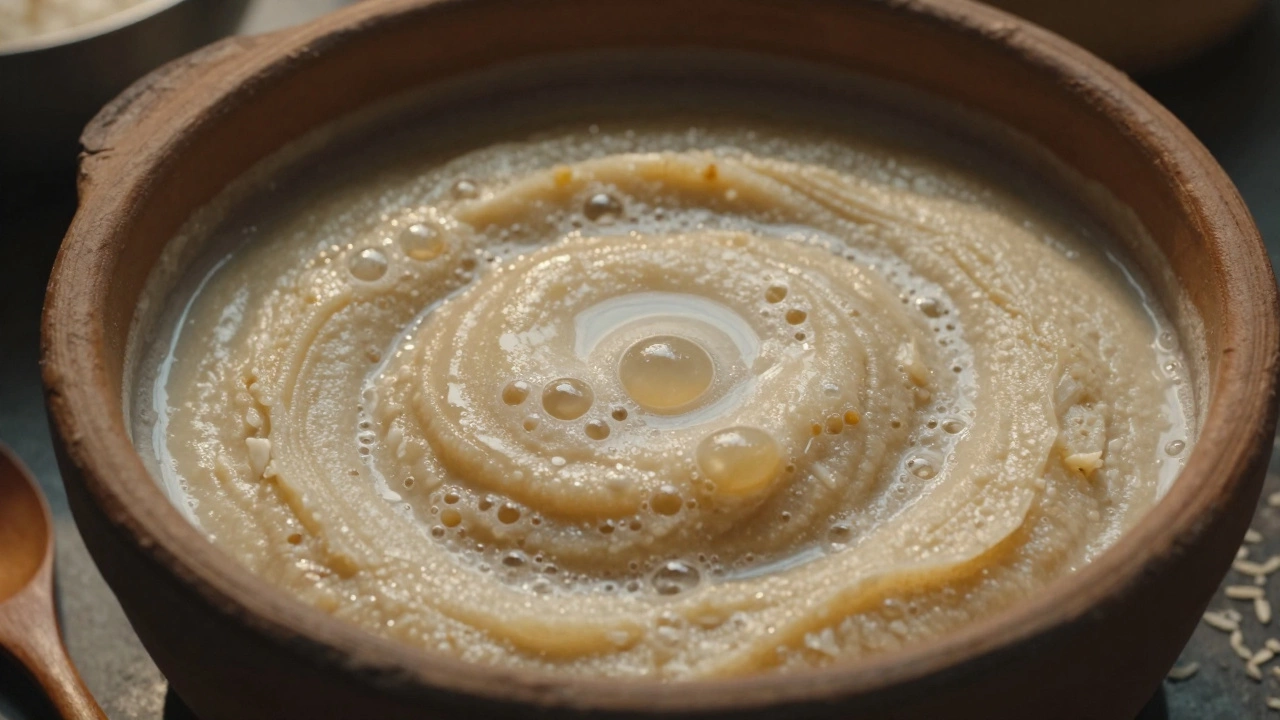
Is It Safe to Eat Over-Fermented Dosa Batter? What Happens When It Sours Too Much
Is over-fermented dosa batter safe to eat? Learn what happens when it sours too much, how to tell if it's spoiled, and simple fixes to save your batter without risking your health.