Sear or Poach Chicken: Best Methods, Tips, and Recipes
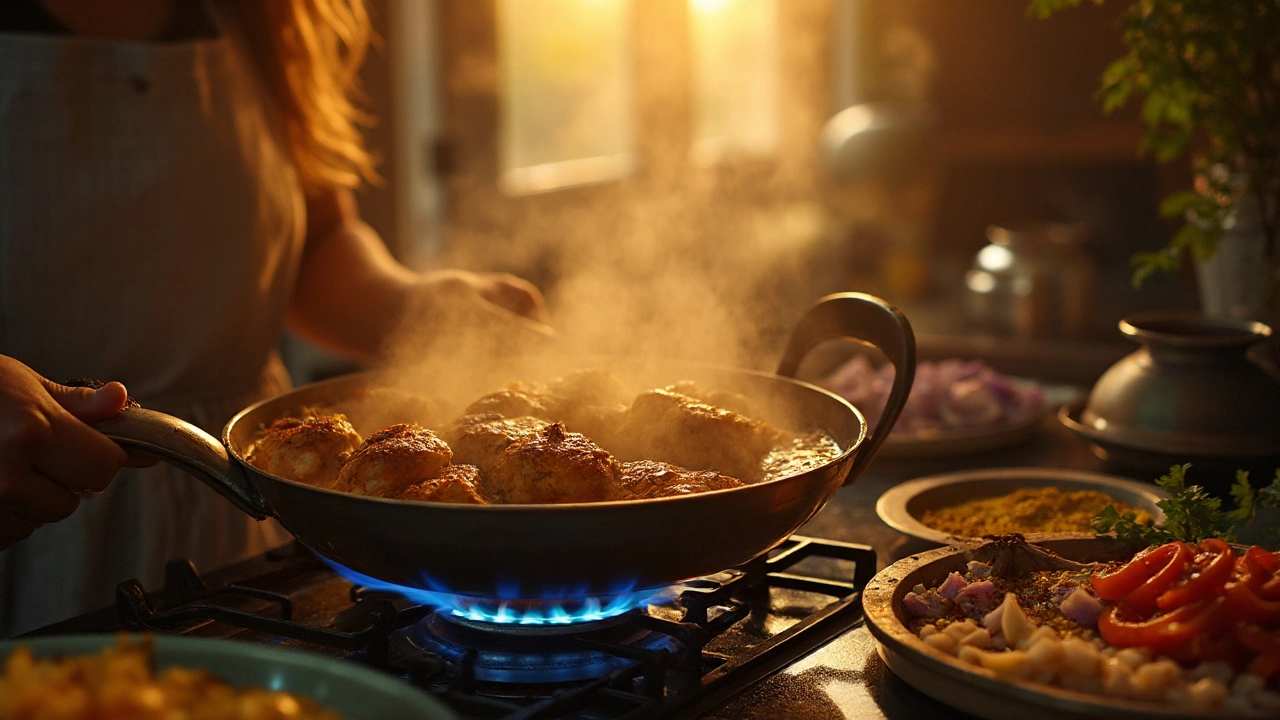
When you sear chicken, you brown the surface quickly over high heat to lock in juices and build deep flavor. Also known as browning, it’s the first step in many Indian curries, tandoori dishes, and even biryanis where texture matters as much as taste. On the other hand, poach chicken, a gentle cooking method where chicken simmers in liquid just below boiling, is how you get silky, fall-apart meat for salads, kebabs, or shredded fillings. These aren’t just cooking tricks—they’re foundational techniques that change how your chicken tastes, feels, and holds up in a dish.
Most people think chicken is chicken, but how you cook it makes all the difference. Searing, used in tandoori chicken and butter chicken bases, creates a crust that holds spices better and adds smoky depth. You don’t need a grill—just a hot pan, a little oil, and patience. Don’t move the chicken around. Let it sit. That’s how you get that golden crust. Poaching, common in South Indian meals and healthy curry bases, keeps chicken moist without oil, making it perfect for weight-conscious meals or when you want clean flavor. Think of it like steaming, but in broth or spiced water. You’ll find it in recipes where chicken needs to absorb flavors slowly, not burn through them.
Why does this matter for Indian cooking? Because your curry isn’t just about spices—it’s about the chicken itself. If you sear it wrong, it dries out and turns rubbery in the sauce. If you poach it too fast, it falls apart before it even hits the pot. The right method sets the stage. That’s why you’ll see seared chicken in rich, slow-cooked dishes like chicken korma, and poached chicken in lighter meals like chicken pulao or chicken salad with mint chutney. Both methods show up in the recipes here—not as afterthoughts, but as core decisions that define the final dish.
What you’ll find below are real, tested ways to get these techniques right. No fluff. No guesswork. Just clear steps for searing chicken so it stays juicy inside, and poaching it so it doesn’t turn to mush. You’ll learn why some people boil chicken and end up with cardboard, how to tell when it’s done without cutting into it, and which Indian spices work best with each method. Whether you’re making a weeknight curry or prepping for a weekend feast, these methods are the quiet heroes behind the flavor. Let’s get them right.
Should You Cook Chicken Before Adding to Curry? Best Methods, Times, and Safety Tips
Wondering if chicken should be cooked before adding to curry? Learn when to sear, simmer raw, or pre-cook, plus safe temps, times, and easy methods.