Paneer: The Indian Cottage Cheese You Need in Your Kitchen
When you think of Indian food, you probably picture rich curries, fragrant spices, and that soft, squishy cheese that holds its shape no matter how long it simmers—that’s paneer, a fresh, unaged cheese made by curdling milk with lemon juice or vinegar. Also known as Indian cottage cheese, it doesn’t melt like Western cheeses. Instead, it browns, grills, and absorbs flavor like a sponge—making it the backbone of dozens of classic dishes.
Unlike cheddar or mozzarella, paneer is made without rennet or aging. You heat milk, add acid—lemon juice, vinegar, or even yogurt—and the curds separate. Then you press them into a block. It’s simple, cheap, and you can make it in under an hour. That’s why it’s so common in homes across India, from Delhi to Chennai. And because it’s mild and firm, it works in everything: spicy paneer tikka, creamy palak paneer, even sweet desserts like rasgulla. It’s vegetarian protein that doesn’t need fancy tools or long prep.
People often ask if paneer is better than cheese. The answer? It depends. Paneer has less fat and sodium than most processed cheeses, and it’s lower in lactose if you drain it well. But cheese brings funk, melt, and complexity that paneer can’t match. That’s why you’ll find recipes asking for paneer substitutes, like halloumi or queso blanco, when paneer isn’t available. These alternatives hold up in heat, just like paneer, so your curry won’t turn into a soup. And if you’re curious how it’s made, there’s a whole science behind why lemon juice curdles milk, turning liquid into solid cheese—it’s not magic, it’s pH.
You’ll find posts here that explain how to make paneer from scratch, what to use when you can’t find it, and how it stacks up nutritionally against real cheese. Some dive into why potatoes show up in biryani (yes, it’s a thing), while others break down the exact spice blends that make paneer dishes unforgettable. Whether you’re a beginner trying to figure out why your paneer turned rubbery, or a seasoned cook looking for new ways to use it, this collection has you covered. No fluff. No theory. Just real ways to cook better with paneer.
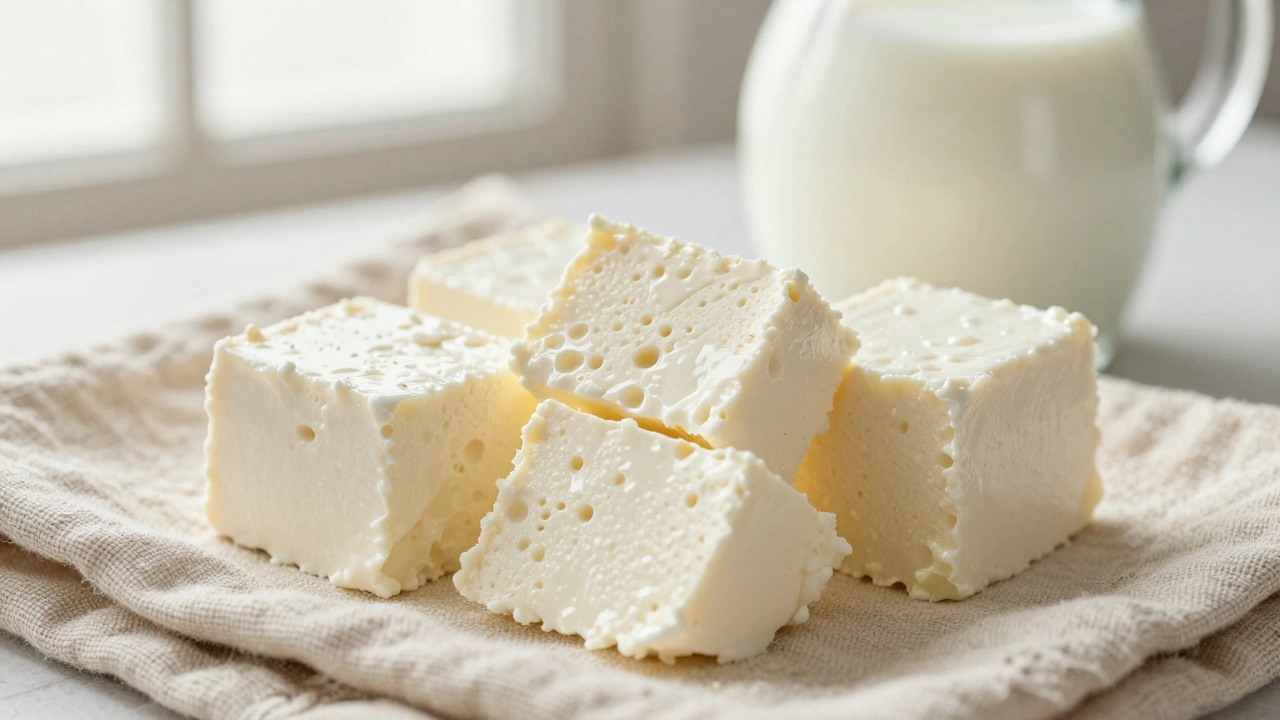
Is Paneer Good for You? Health Benefits, Risks, and Nutrition Facts
Explore the nutritional truth about paneer, covering benefits, risks, and differences between homemade and store-bought options for a balanced diet.
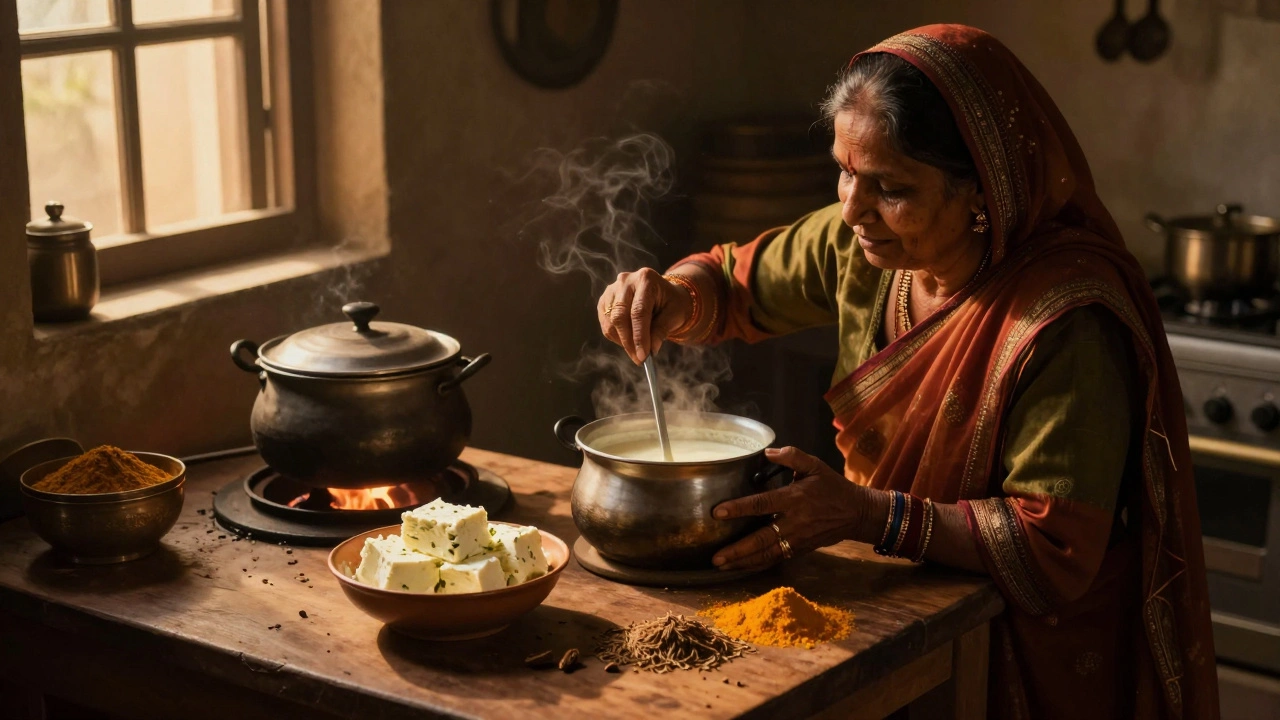
Why Ayurveda Says No to Curd - And What to Eat Instead
Ayurveda warns against curd due to its heavy, cooling nature that can worsen mucus and digestion. Homemade paneer is a better alternative - easier to digest, warming, and free of excess lactose. Learn why and how to make it right.
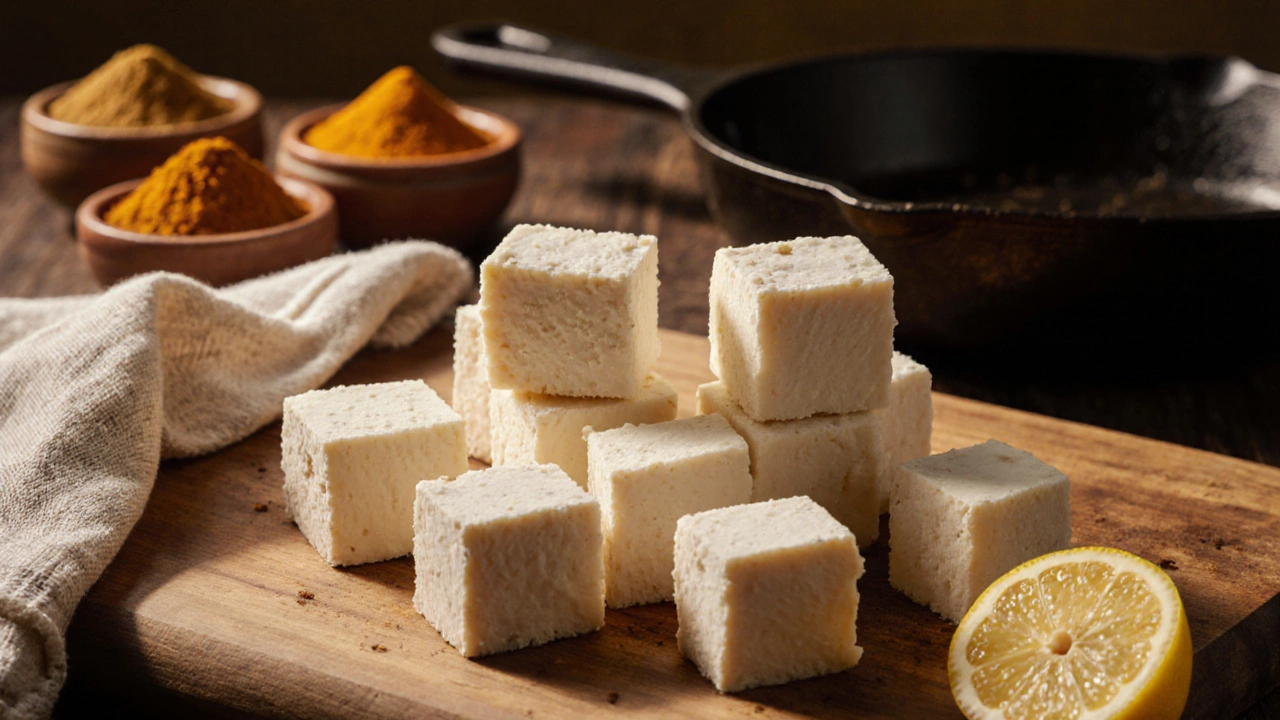
What Is Paneer Called in English? The Simple Truth About This Indian Cheese
Paneer doesn't have a direct English name-it's a fresh, non-melting Indian cheese made from milk and acid. Learn how to make it at home, why substitutes fail, and how to use it in recipes.

Can Indian Vegetarians Eat Cheese? The Real Story
Not all cheese is friendly for Indian vegetarians, and there’s a lot more to the story than people think. This article digs into how cheese is made, what ingredients might cause problems, and which types are safe. We’ll also talk about why paneer is king in Indian kitchens and tips for checking cheese labels. Get ready to untangle the facts and feel confident the next time you eat out or shop for cheese.

Paneer vs Chena: What Sets Them Apart for Homemade Cheese Lovers
Wondering why your rasgulla and paneer never turn out the same? Although paneer and chena are both fresh cheeses made from curdling milk, they're not identical twins. Their texture, use, and even how you drain them can totally change your dish. This article breaks down what really sets paneer and chena apart, gives simple tips for making each at home, and helps you get perfect results whether you're after fluffy chena for sweets or firmer paneer for savory dishes.