Kashmiri Chili Powder: What It Is, Why It's Unique, and How It Powers Indian Flavors
When you think of Indian food, you might picture fiery heat—but not all red spices bring the burn. Kashmiri chili powder, a deep red, mild chili powder from the Kashmir region of India, prized for its rich color and subtle warmth. Also known as Kashmiri red chili powder, it’s the secret behind the bright red hue in butter chicken, biryani, and tandoori dishes—without turning your mouth on fire. Unlike cayenne or Thai chilies, Kashmiri chili powder delivers color and flavor without overwhelming heat, making it the go-to for home cooks who want that restaurant-style look without the tears.
This spice isn’t just about looks. It’s a key player in spice blends that define North Indian cooking. You’ll find it in masalas that coat tandoori meats, in lentils that turn ruby-red, and even in some sweets for a hint of earthy depth. It works because it’s gentle—its capsaicin levels are low, so it doesn’t dominate. Instead, it lets other spices like cumin, coriander, and cardamom shine. It’s also naturally rich in antioxidants and vitamin A, which is why it’s used in traditional remedies alongside cooking. Many Indian households keep a jar of it on hand, not because it’s spicy, but because it’s reliable. If your curry looks pale, a pinch of Kashmiri chili powder fixes it instantly.
It’s not the same as paprika, even though they look alike. Paprika is often smoked or made from different peppers, and it lacks the same depth. Kashmiri chili powder is sun-dried, ground from specific varieties grown in the Himalayan foothills, and often blended with a touch of other mild chilies for balance. You won’t find it labeled as "hot" on the jar—because it’s not. That’s the point. It’s the silent hero in your kitchen, working behind the scenes to make your food look as good as it tastes.
What you’ll find in the posts below are real, tested ways this spice shows up in everyday Indian cooking. From biryanis that glow red without burning to curry secrets that rely on its color, not its heat, these recipes show you how to use Kashmiri chili powder like a pro. You’ll learn why it’s in your tandoori chicken, how it pairs with yogurt and ghee, and why skipping it leaves a dish looking dull and flat. No fluff. Just clear, practical uses you can try tonight.
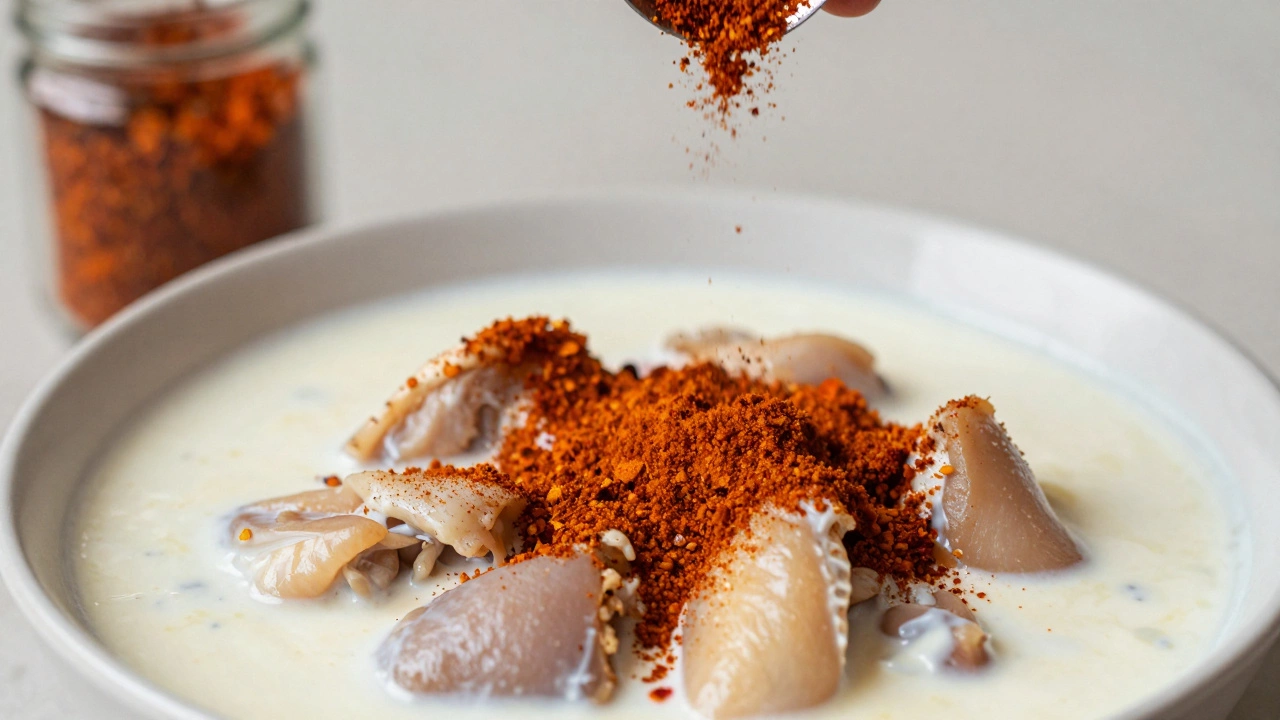
How to Achieve the Perfect Red Color in Tandoori Chicken at Home
Discover why your homemade tandoori chicken lacks that vibrant red hue and learn exactly which ingredients and techniques to use for authentic color. We break down the science behind the color, common mistakes to avoid, and step-by-step guidance for a stunning dish every time.
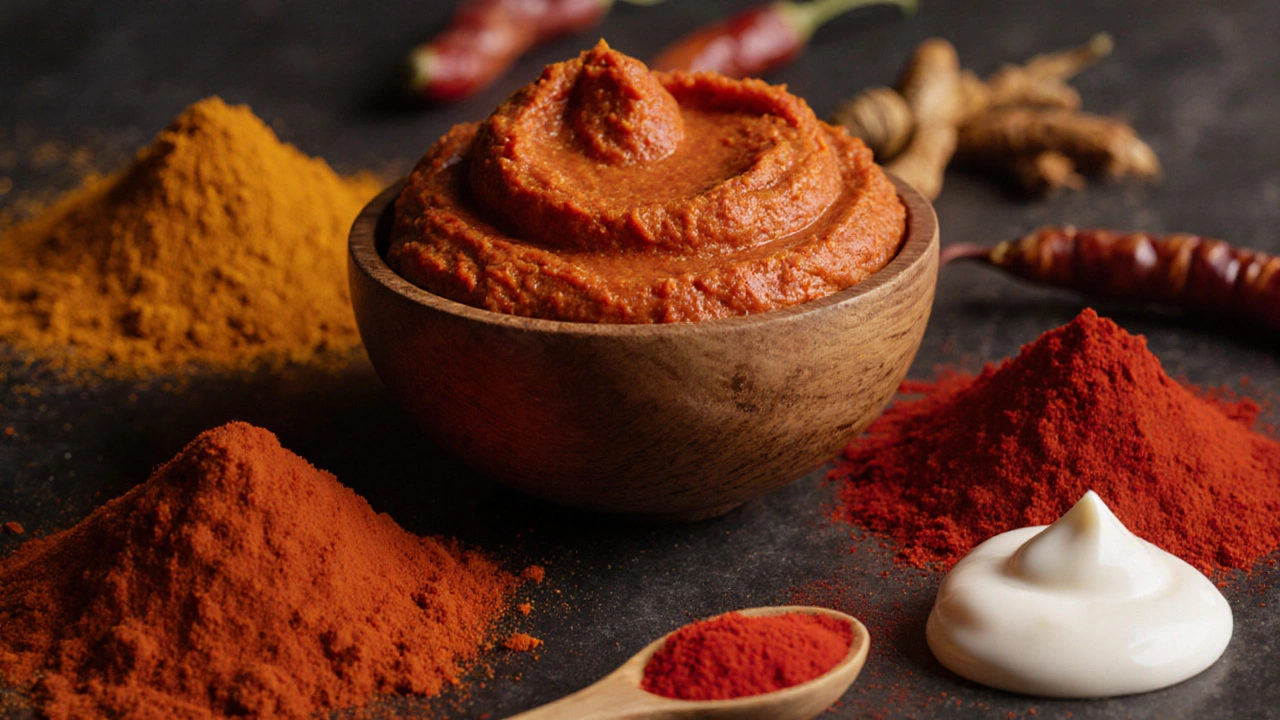
Why Is Tandoori Chicken So Red? The Science Behind Its Fiery Hue
Discover why tandoori chicken gets its iconic red hue, from classic spices to modern coloring tricks, and learn how to achieve it at home.