Homemade Paneer: How to Make It, Substitute It, and Use It in Indian Cooking
When you make homemade paneer, a fresh, non-melting Indian cheese made by curdling milk with acid. Also known as Indian cottage cheese, it’s the backbone of dishes like palak paneer and paneer tikka—firm enough to grill, soft enough to crumble, and packed with protein without the heavy processing of Western cheeses. Unlike cheddar or mozzarella, paneer doesn’t melt when heated. That’s why it holds its shape in spicy curries and sizzles on the tandoor without turning into a gooey mess.
The science behind it is simple: heat milk, add lemon juice or vinegar, and watch it separate into curds and whey. Strain, press, and you’ve got paneer. It’s not fancy, but getting it right takes attention. Too little acid? Your paneer stays crumbly. Too much heat? It turns rubbery. And if you skip pressing it, your final block won’t slice cleanly. That’s why so many people turn to paneer substitute, like halloumi or queso blanco. These cheeses mimic paneer’s texture when cooked, making them great for curries if you can’t find or make fresh paneer. But nothing beats the taste of your own, especially when you control the milk quality and acidity. Store-bought paneer often has additives or sits too long—homemade is cleaner, fresher, and cheaper.
You’ll find Indian cooking, a tradition built on balancing spices, textures, and dairy. Also known as North Indian cuisine, it relies heavily on paneer for protein-rich vegetarian meals. Whether you’re tossing it into a curry, grilling it with spices, or frying it into bites, paneer absorbs flavor like a sponge. And if you’re wondering why some recipes use lemon juice while others use yogurt or citric acid—it’s all about control. Lemon gives a bright tang, yogurt adds creaminess, and citric acid is more predictable. Each changes the final texture slightly.
Most people think paneer is just cheese. But it’s not. It’s a technique. A way of turning milk into something solid, useful, and deeply satisfying. And when you understand how it works, you start seeing it everywhere—in the creamy sauces, the grilled snacks, even the breakfast parathas stuffed with spiced curds. The posts below cover everything: how to fix a failed batch, which cheeses work as swaps, why some recipes call for full-fat milk, and how to store it so it stays fresh for days. No fluff. No guesswork. Just clear, tested advice from real cooks who’ve been there.
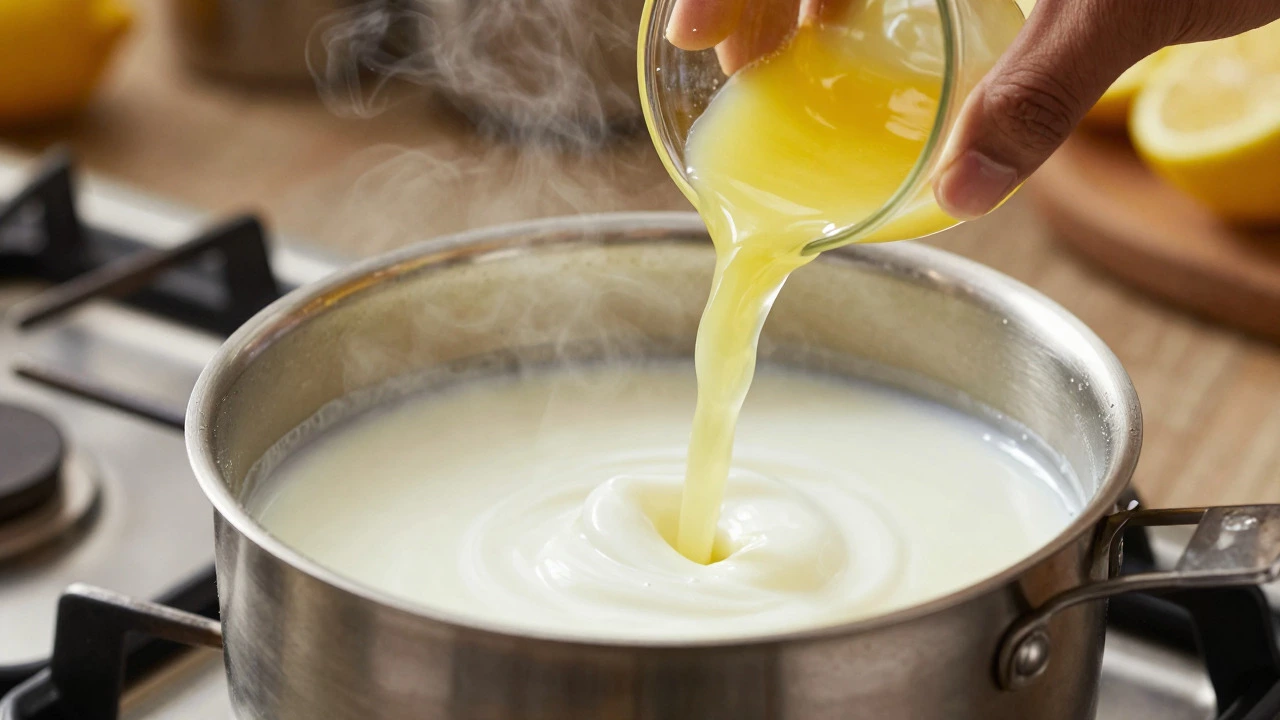
How to Make Paneer at Home: The Curdling Method Explained
Learn the exact method for separating paneer from milk using acid coagulation. Discover how to choose the right acid, control temperature, and press curds for the perfect texture.
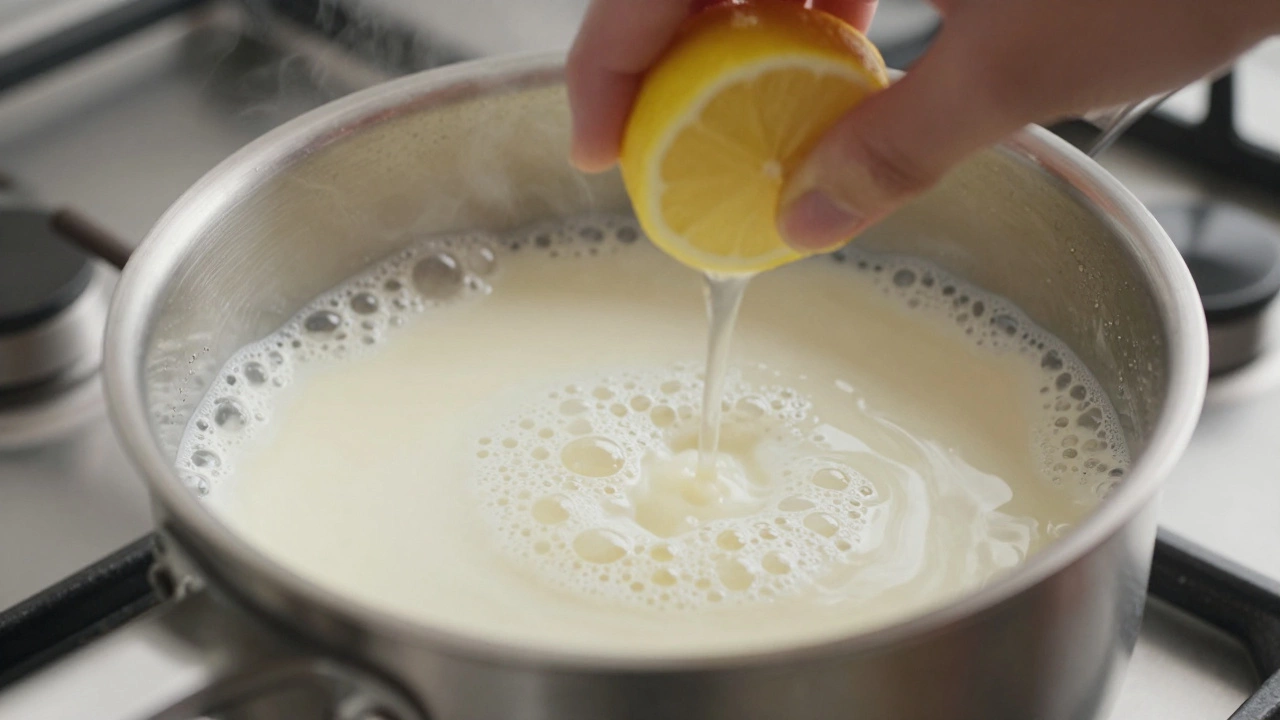
Why Is My Milk Not Turning Into Paneer? 7 Fixes for Perfect Homemade Cheese
Troubleshoot why your milk isn't curdling into paneer. Learn about milk types, temperature control, and acid agents to fix homemade paneer failures.
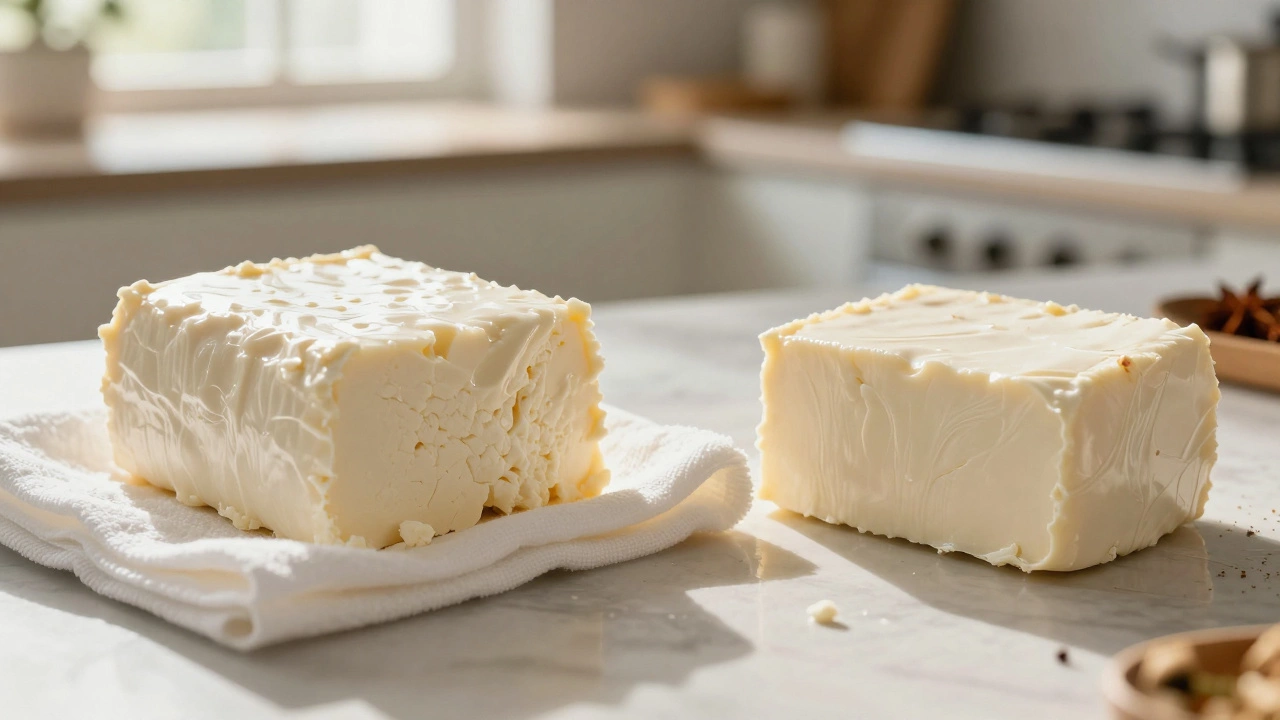
Is Homemade Paneer Worth It? Cost, Taste, and Effort Breakdown
Discover if making paneer at home is truly worth the effort. We compare cost, texture, and convenience of homemade vs store-bought paneer, offering practical tips and a clear verdict for home cooks.
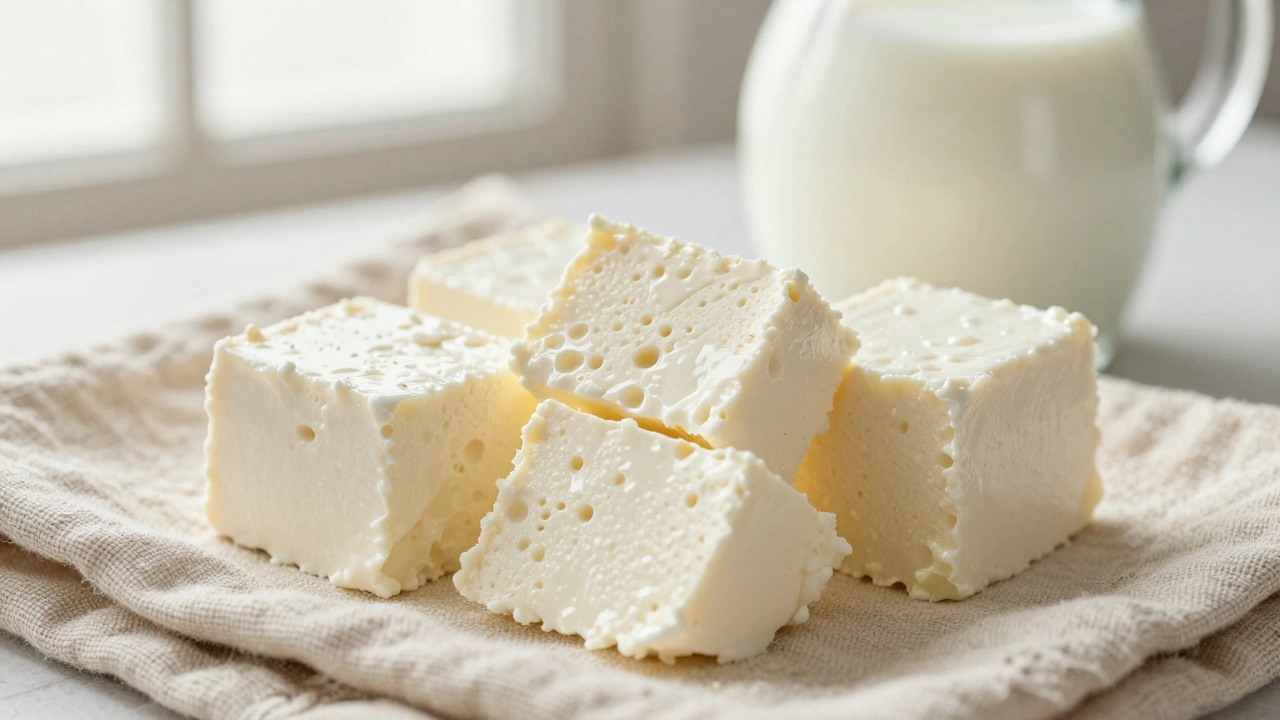
Is Paneer Good for You? Health Benefits, Risks, and Nutrition Facts
Explore the nutritional truth about paneer, covering benefits, risks, and differences between homemade and store-bought options for a balanced diet.
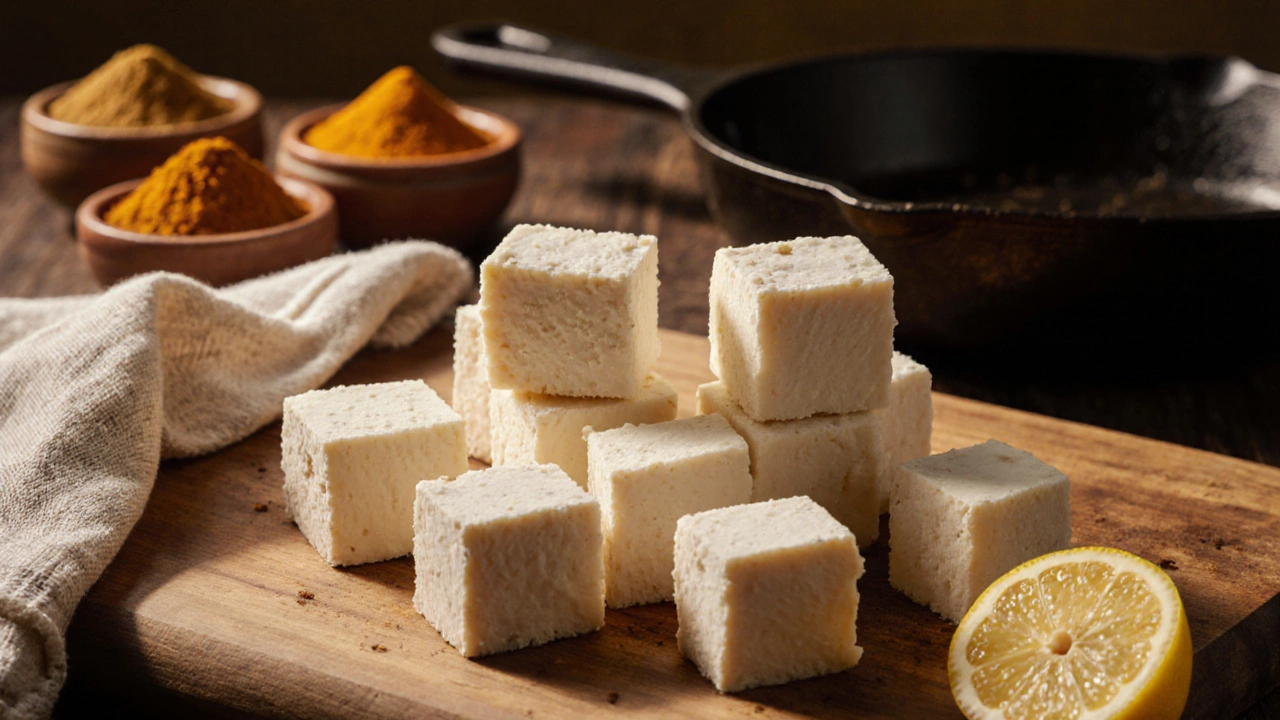
What Is Paneer Called in English? The Simple Truth About This Indian Cheese
Paneer doesn't have a direct English name-it's a fresh, non-melting Indian cheese made from milk and acid. Learn how to make it at home, why substitutes fail, and how to use it in recipes.

Why Does Homemade Paneer Turn Out Crumbly? Solutions & Tips for Creamy Paneer
Is your homemade paneer always crumbly? Learn why this happens and how to fix it with tips for making smooth, creamy, restaurant-style paneer at home.
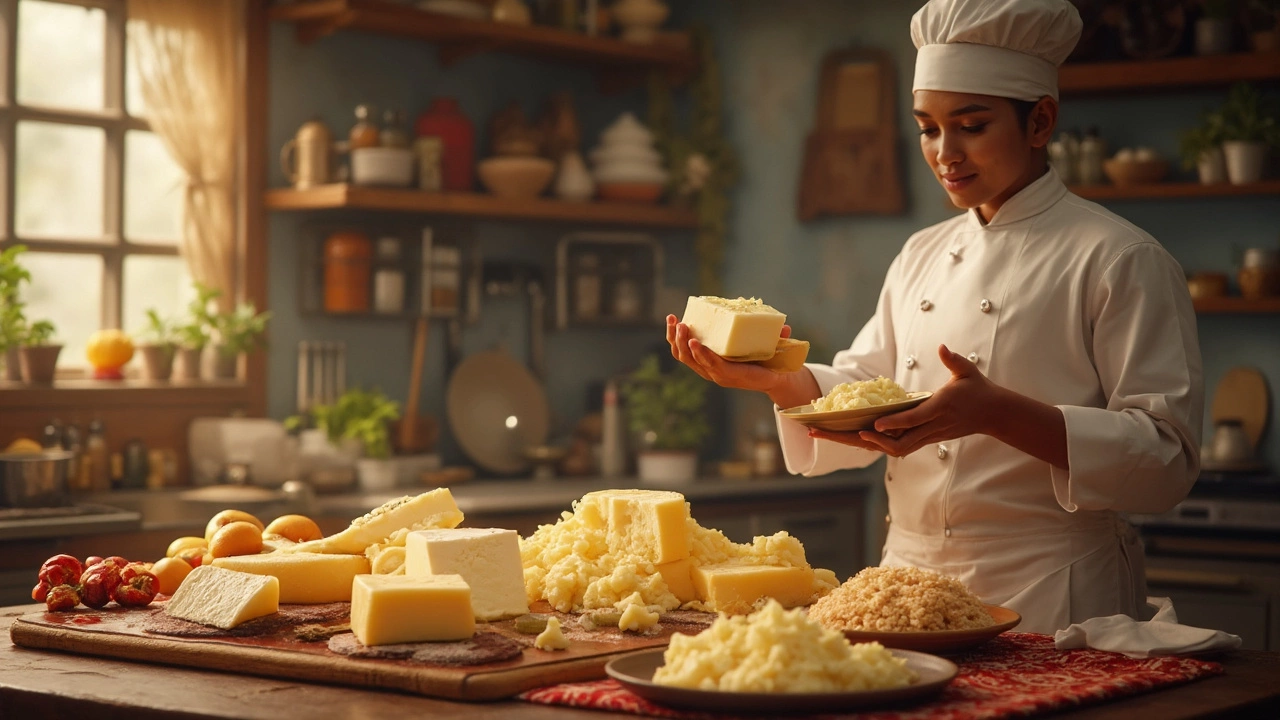
Discovering Which American Cheese is Most Like Paneer
Finding a good substitute for paneer isn't easy, especially if you're not living in an area where it's readily available. Let's explore American cheeses that come close to the texture and taste of paneer, and why they work well as alternatives. You'll get practical cooking tips and a few intriguing facts that might surprise even seasoned cheese lovers.