Health Tips for Indian Cooking: Smart Ways to Eat Well Without Sacrificing Flavor
When you think of health tips, practical advice for improving daily well-being through food and lifestyle choices. Also known as nutritional guidance, it doesn’t mean giving up butter, cream, or fried snacks. It means knowing which parts of Indian cooking actually help you stay strong, energized, and healthy. Indian meals are full of spices, legumes, vegetables, and whole grains—many of which are naturally good for you. The problem isn’t the food. It’s how we prepare it, what we pair it with, and what we assume is healthy just because it’s traditional.
Take paneer, a fresh, non-melting Indian cheese made from curdled milk. Also known as Indian cottage cheese, it is often called a healthy protein source. But how does it compare to regular cheese? The truth? Paneer has less fat and sodium than most Western cheeses, and it’s lower in lactose, making it easier to digest for many people. That’s why swapping cheese for paneer in curries or salads can be one of the simplest health tips you’ll ever use. And it’s not just about protein. Rice water, a byproduct of washing or boiling rice, has been used for generations in rural India to support digestion and even help with mild weight loss. It’s not magic—it’s fiber and resistant starch working quietly in your gut.
Then there’s the oil. You’ve heard coconut oil is healthy. But is it the best for dosa? Or should you use sesame or even sunflower oil? The answer depends on your goal: crispiness, smoke point, or heart health. Same with tandoori chicken—its bright red color comes from Kashmiri chili, not artificial dye, and it’s leaner than fried chicken because it’s grilled, not deep-fried. That’s why it’s consistently ranked among the healthiest Indian food options at restaurants. Meanwhile, potato chips may be the world’s most unhealthy snack, but Indian alternatives like roasted chana or baked samosas with minimal oil can satisfy that crunch without the crash.
Health tips aren’t about perfection. They’re about small, smart choices. Choosing tandoori over butter chicken. Using lemon juice to make paneer at home instead of buying processed blocks. Adding mint and cilantro to biryani not just for flavor, but for antioxidants. Replacing sugary sweets with fruit-based desserts like soaked figs or date laddoos. Even something as simple as avoiding overcooked rice—where nutrients leach into the water—can make a difference. These aren’t diet rules. They’re kitchen hacks passed down through generations, now backed by science.
You’ll find all of this in the posts below: real, tested ways to make your favorite Indian meals work for your body. Whether you’re looking for the best cheese substitute for paneer, the truth about egg safety in India, or why your roti won’t puff up (it’s not the flour, it’s your heat), every article here gives you a clear, no-nonsense fix. No fluff. No fads. Just what works.
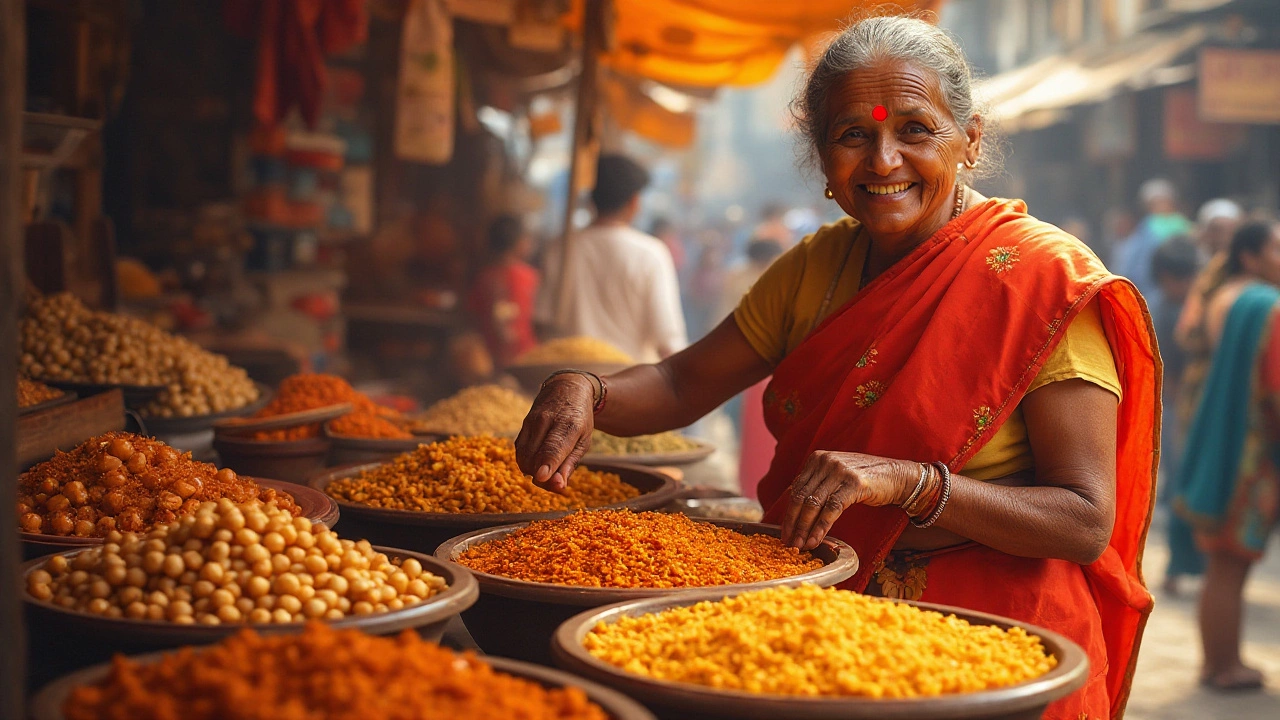
Exploring the Healthiest Indian Snacks
Indian snacks offer a vibrant tapestry of flavors and textures, and among them, some stand out for their health benefits. From protein-rich options to fiber-packed delights, these snacks cater to both taste and nutrition. This article delves into a selection of the healthiest Indian snacks, offering insights into their health benefits and preparation methods. Discover how traditional recipes can be modified for modern health needs.