Fried Rice: How Indian Kitchens Make It Bold, Fast, and Irresistible
When you think of fried rice, a quick, flavorful dish made by stir-frying cooked rice with vegetables, eggs, and seasonings. Also known as stir-fried rice, it’s one of the most adaptable meals on the planet. But in Indian homes, it doesn’t stop at soy sauce and peas. Here, fried rice gets a full spice upgrade—cumin, turmeric, green chilies, and even a pinch of garam masala turn plain rice into something that smells like a street stall in Mumbai and tastes like comfort after a long day.
What makes Indian fried rice different isn’t just the spices—it’s the leftover rice, rice that’s been chilled overnight to dry out slightly, so it doesn’t turn mushy when tossed in a hot pan. You don’t need fancy ingredients. Just rice, oil, onions, garlic, and whatever’s in the fridge—carrots, peas, cabbage, even leftover tandoori chicken. The key? High heat and quick movement. You’re not cooking rice—you’re searing it, letting each grain get a little crispy edge while soaking up flavor. And unlike the sweet-and-sour version you get at takeout spots, Indian fried rice often has a kick from ginger, a tang from lemon juice, and a finish of fresh cilantro.
It’s also tied to another Indian staple: rice water, the starchy liquid left after rinsing or boiling rice, sometimes used to boost texture or even aid digestion. While not added directly to fried rice, the way Indians handle rice—rinsing it well, cooking it just right, letting it cool—shows a deep understanding of grain behavior. That same care shows up in every bowl of fried rice. You’ll find versions in homes across Karnataka, Punjab, and Kolkata, each with their own twist. Some add cashews. Others throw in a fried egg on top. A few even sneak in a spoonful of tomato chutney at the end.
There’s no single recipe. That’s the point. Fried rice is the ultimate make-do meal—perfect for using up bits and pieces, feeding a crowd fast, or eating cold the next day. It doesn’t need a special occasion. It just needs a hot pan and a little confidence. Below, you’ll find real recipes and tips from Indian kitchens that show you how to make it right—no takeout menu required.
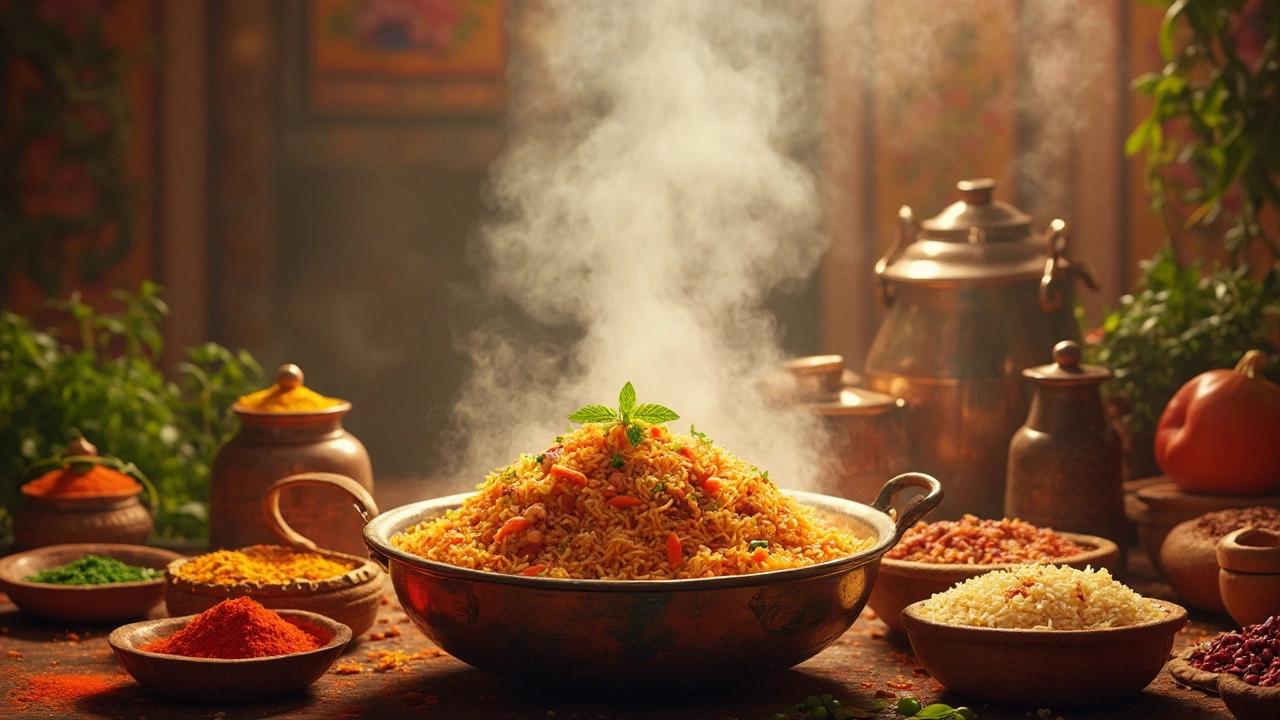
Is Biryani Healthier Than Fried Rice?
Figuring out if biryani is healthier than fried rice can be tricky, given how both dishes are loaded with flavor and calories. Biryani, with its aromatic spices and layered flavors, can provide more nutritional variety and beneficial attributes if you make some smart ingredient choices. Meanwhile, fried rice tends to be heavier in oils and less diverse in nutrients, often making it less suitable for the health-conscious eater. This article explores the health aspects and tips to make both dishes leaner and more nutritious.