Food Safety Eggs: Safe Handling, Storage, and Cooking Tips for Indian Kitchens
When you crack open an egg, a perishable protein source that can carry harmful bacteria like Salmonella if not handled properly. Also known as chicken egg, it’s a staple in Indian homes—from scrambled eggs at breakfast to binding agents in kebabs and desserts like kheer. But without proper care, even a fresh-looking egg can make you sick.
Raw egg contamination, often from Salmonella entering through the shell or inside the yolk is a real risk, especially in warm climates like India’s. You don’t need fancy gear to stay safe—just basic habits. Store eggs in the fridge, not on the counter. Never wash them before storing; washing removes the natural protective coating. If you’re using eggs for raw preparations like egg-based chutneys or traditional sweets like mawa laddoos, always use pasteurized eggs or cook them to 160°F. A simple rule: if an egg floats in water, toss it. That’s not a myth—it’s science. Air pockets grow as eggs age, and old eggs are more likely to harbor bacteria.
Egg storage, the key to preventing spoilage and bacterial growth matters more than you think. In Indian kitchens, eggs often sit out near the stove or in unrefrigerated pantries. But heat speeds up spoilage. Keep them in their original carton, pointed-end down, in the coldest part of the fridge—not the door. Use them within 3–4 weeks. If you crack an egg and it smells off, looks cloudy, or has pink or iridescent whites, don’t cook with it. That’s not just bad flavor—that’s a warning sign. Even if you’re making biryani or a curry that cooks eggs thoroughly, cross-contamination from dirty hands, surfaces, or utensils can still spread bacteria. Always wash your hands after handling raw eggs, and clean every surface they touch.
And here’s something most people miss: cooking eggs safely, means reaching the right internal temperature, not just waiting until the white turns solid. Runny yolks might taste great, but if you’re serving kids, elderly folks, or pregnant women, undercooked eggs are a gamble. Scrambled eggs should be firm, not watery. Boiled eggs need at least 7 minutes for a fully set yolk. When you’re using eggs in dishes like keema or koftas, make sure the whole mixture reaches 160°F. Don’t guess—use a cheap kitchen thermometer. It’s not overkill; it’s smart.
You’ll find posts here that cover everything from how to tell if an egg is still good to why some Indian recipes call for raw egg in marinades—and how to do it without risking illness. We’ll show you how to handle eggs in humid monsoon conditions, what to do if you find blood spots (it’s not a sign of spoilage), and why refrigeration isn’t optional, even if your grandma swears eggs are fine on the counter. This isn’t about fear. It’s about confidence—knowing your food won’t hurt you, no matter how bold the flavors are.
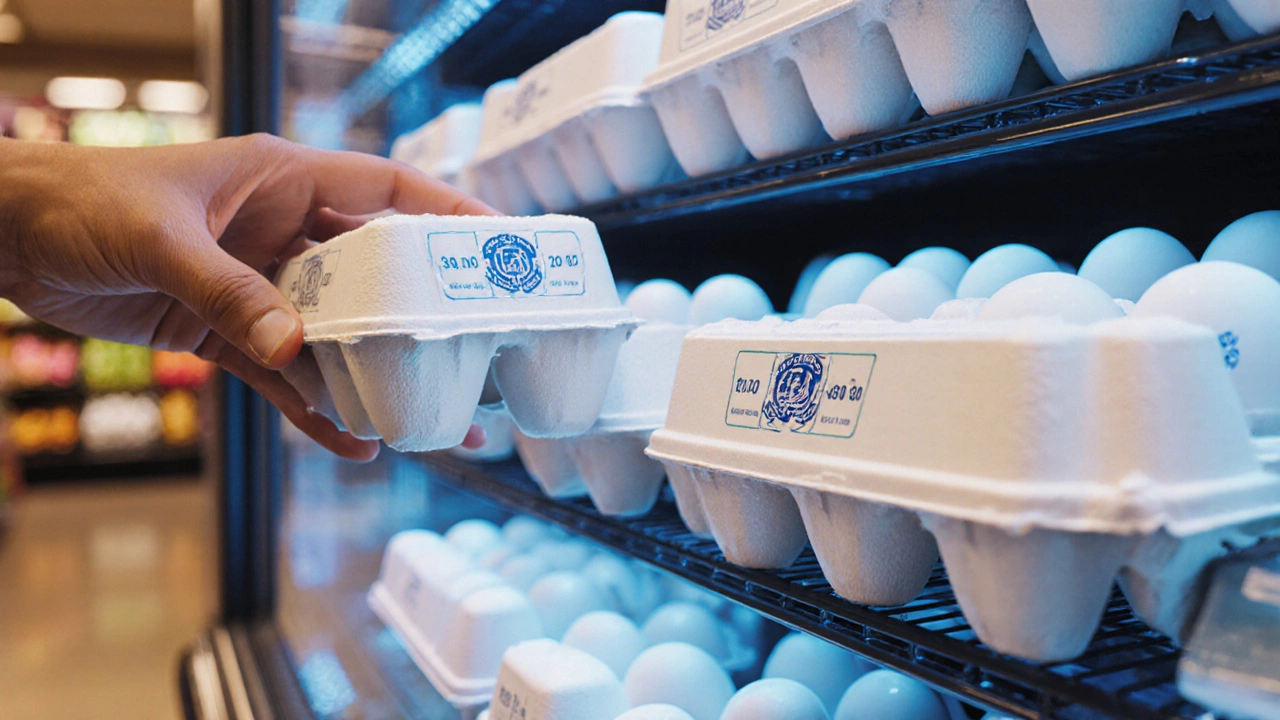
Are Eggs Safe in India? A Practical Guide for Home Cooks
Discover if eggs in India are safe to eat. Learn how to choose, store, and cook eggs properly, understand regulations, and avoid common contamination risks.