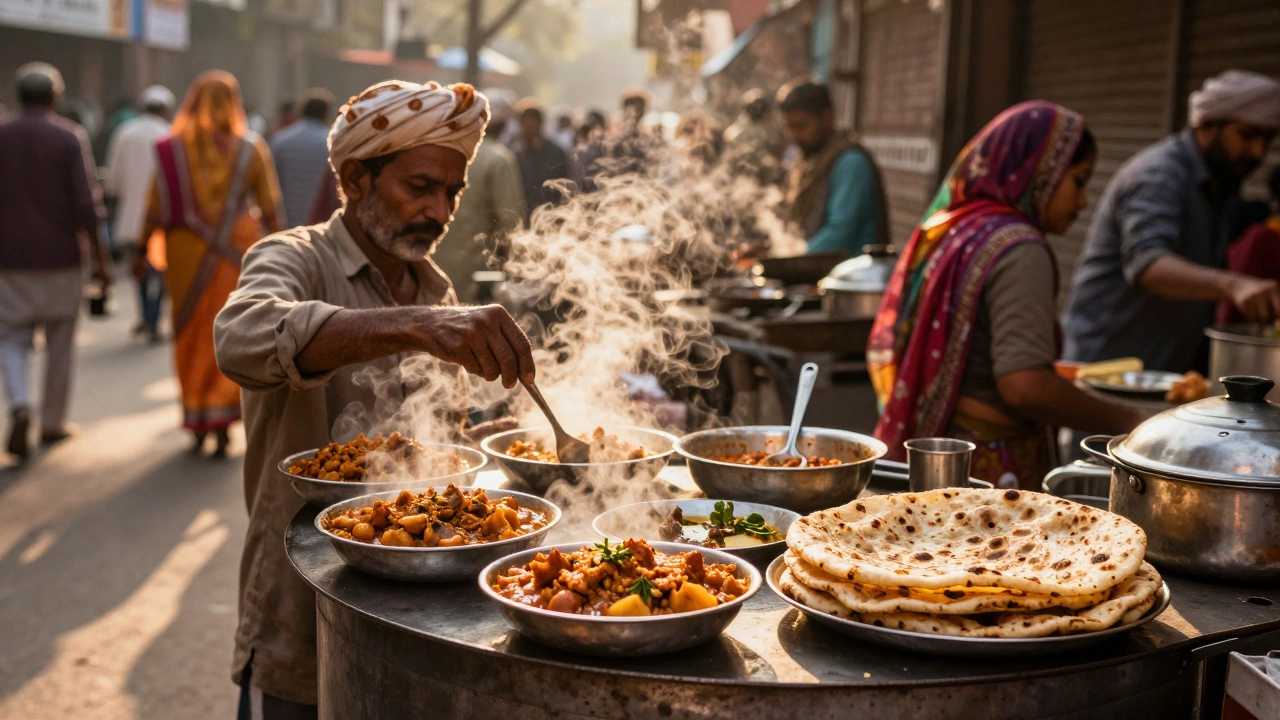
When someone asks what a classic Indian dish is, they’re not just looking for a name. They want to know what tastes like home to millions, what’s served at every festival, and what even non-Indians recognize as unmistakably Indian. It’s not about fancy spices or complicated techniques. It’s about flavor that sticks with you-rich, layered, and deeply comforting.
Chana Masala: The Everyday Hero
Chana masala isn’t just a dish. It’s a daily ritual in Indian homes. Chickpeas simmered in a tomato-based gravy with cumin, coriander, amchur (dry mango powder), and garam masala. It’s cheap, filling, and cooks in under 30 minutes. You’ll find it in school lunches, roadside stalls in Delhi, and Sunday dinners in Mumbai. Serve it with plain rice or warm roti. No fancy ingredients. Just pure, bold flavor.
Butter Chicken: The Global Ambassador
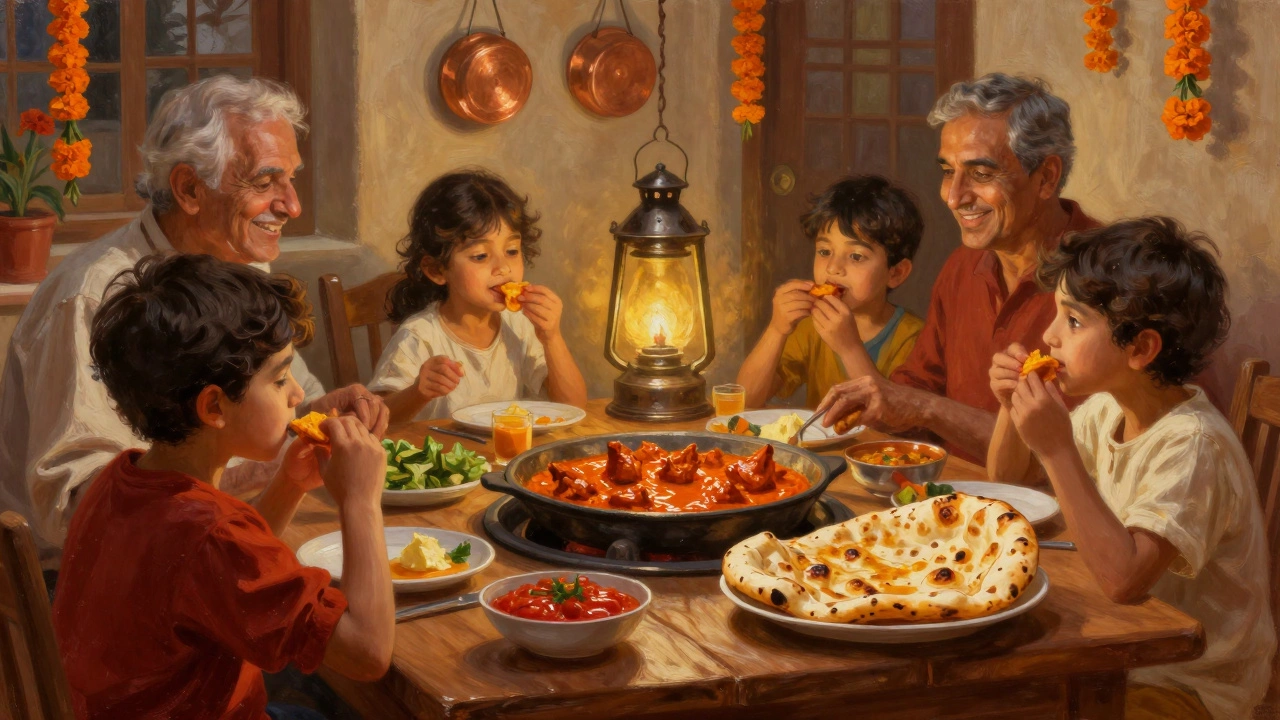
Butter chicken started as a way to use leftover tandoori chicken in 1950s Delhi. Today, it’s the most ordered Indian dish worldwide. Tender chicken pieces bathed in a creamy tomato sauce with butter, cream, and a touch of fenugreek. The secret? A 12-hour marinade in yogurt and spices, then grilled before being gently simmered. It’s not spicy-hot-it’s rich, smooth, and addictive. Pair it with naan and you’ve got a meal that turns first-timers into lifelong fans.
Chaat: The Street Food Star
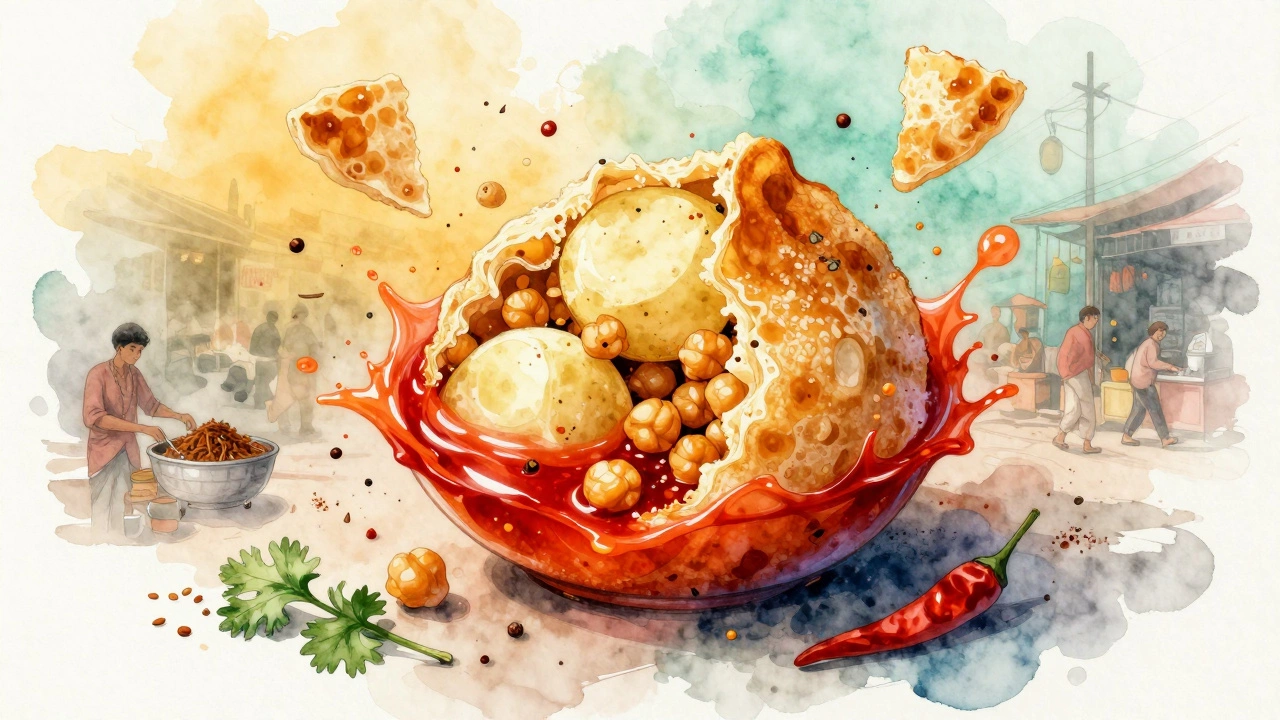
Chaat isn’t one dish-it’s a whole category. But the most iconic version? Pani puri. Hollow, crispy puris filled with spiced potato, chickpeas, and tamarind water. You bite into it, and it explodes-sweet, tangy, spicy, crunchy-all at once. Street vendors in Kolkata and Jaipur make hundreds a day. It’s messy. It’s loud. It’s unforgettable. If you’ve never tried it, you haven’t really tasted India.
Palak Paneer: The Vegetarian Classic
For anyone who thinks Indian food is just curry and rice, palak paneer changes everything. Soft cubes of paneer (Indian cottage cheese) float in a vibrant spinach puree, seasoned with garlic, ginger, and a hint of cream. It’s creamy without dairy overload, healthy without being bland. Made with fresh spinach and home-made paneer, it’s a staple in North Indian households. Serve it with jeera rice or paratha. Even kids who hate greens ask for seconds.
Chole Bhature: The Weekend Feast
Chole bhature is the ultimate comfort combo. Spicy chickpea curry meets deep-fried, fluffy bread. The chole is slow-cooked with onions, tomatoes, and a blend of spices including black salt and asafoetida. The bhature? Made from refined flour, yogurt, and a touch of baking soda-fried until golden and puffed. It’s heavy. It’s indulgent. And it’s what families eat on Sundays after temple visits or during Diwali. Don’t try this on a weekday unless you’re ready to nap afterward.
Dal Makhani: The Slow-Cooked Luxury
Dal makhani sounds simple: black lentils and kidney beans. But the magic is in the wait. Traditionally, it simmers for 8 to 12 hours over low heat, stirred by hand. The result? Creamy, smoky, and deeply savory. Butter and cream are added at the end, but they don’t overpower-they round out the earthy lentils. It’s often served with basmati rice and a side of pickled onions. In Punjabi homes, this isn’t just dinner-it’s a labor of love passed down through generations.
Rajma: The Comfort Bowl of the North
Red kidney beans cooked with onions, tomatoes, ginger, and a pinch of sugar to balance the tang. Rajma is the dish every Indian child grows up eating. It’s the go-to meal when you’re sick, stressed, or just need to feel safe. It’s slow-cooked, thick, and served with steamed rice. No fancy garnishes. Just a drizzle of ghee on top. In Jammu and Himachal Pradesh, families make huge batches on weekends and eat it all week. Simple. Satisfying. Unchanged for decades.
Biryani: The Festival Dish
There are dozens of biryanis-Hyderabadi, Lucknowi, Kolkata, Sindhi. But the classic? Basmati rice layered with marinated meat (usually chicken or goat), fried onions, saffron, and whole spices like cardamom and cloves. The pot is sealed with dough and cooked slowly so the steam locks in every flavor. It’s not just food. It’s celebration. You eat biryani at weddings, Eid, and after a long journey home. The scent alone brings people together.
Idli and Sambar: The South’s Daily Gift
In Tamil Nadu and Karnataka, breakfast isn’t cereal or toast-it’s idli and sambar. Soft, steamed rice and lentil cakes served with a tangy lentil stew made with tamarind, drumstick, and a spice blend called sambar powder. It’s light, nutritious, and eaten daily by millions. The idlis are fluffy, almost cloud-like. The sambar is sour, spicy, and just sweet enough. A squeeze of coconut chutney on the side? Perfect.
Aloo Gobi: The Simple Winner
Potatoes and cauliflower stir-fried with turmeric, cumin, and dried fenugreek leaves. That’s aloo gobi. No meat. No cream. Just vegetables, oil, and spices. It’s the dish you make when you need something quick, healthy, and still full of flavor. It’s served with roti, rice, or even eaten cold the next day. In many homes, it’s the only vegetable dish on the table-and it’s always the first to disappear.
Why These Dishes Are Classic
These aren’t just recipes. They’re cultural anchors. They survive because they’re easy to make with basic ingredients. They’re passed down because they taste better with time. They’re loved because they connect people-not just to food, but to memory, family, and place.
You don’t need a tandoor to make butter chicken. You don’t need 12 spices to make chana masala. You just need patience, a good spice grinder, and the willingness to taste as you go. That’s the real secret of Indian cooking: it’s not about perfection. It’s about presence.
What to Serve With These Dishes
- Roti or naan for scooping
- Basmati rice for soaking up gravy
- Plain yogurt or raita to cool the heat
- Pickled onions or lime wedges for brightness
- Chutney-mint, tamarind, or coconut-for contrast
Don’t overcomplicate it. One main dish, one bread, one side, and you’ve got a full Indian meal.
Where to Start If You’re New
If you’ve never cooked Indian food before, start with chana masala or aloo gobi. Both use common spices you probably already have: cumin, coriander, turmeric, chili powder. They’re forgiving. They’re fast. And they taste better the next day.
Buy whole spices if you can-cumin seeds, mustard seeds, cardamom pods. Toast them in oil before adding other ingredients. That’s the trick most recipes skip. It unlocks flavor you can’t get from pre-ground powder.
And don’t fear the heat. Indian food isn’t about burning your tongue. It’s about balance. Adjust chili levels to your taste. Start mild. Build up slowly.
What is the most popular Indian dish worldwide?
Butter chicken is the most popular Indian dish globally. It’s mild, creamy, and pairs well with naan or rice, making it accessible to people unfamiliar with spicy food. It’s found on menus from London to Los Angeles, and even in small-town diners.
Is Indian food always spicy?
No. "Spicy" in Indian cooking usually means "flavored with spices," not "hot with chili." Many classic dishes like dal makhani, palak paneer, and idli sambar have little to no heat. Chili is added separately and can be omitted or reduced easily.
Can I make Indian dishes without a tandoor?
Absolutely. Tandoor ovens are traditional, but you can get similar results with a broiler, grill, or even a cast-iron skillet. For butter chicken, roast marinated chicken on a baking sheet at 220°C for 20 minutes. The flavor comes from the marinade and sauce-not the oven.
What’s the difference between curry and a classic Indian dish?
"Curry" is a British term for any spiced stew. In India, dishes have specific names like chana masala, rajma, or korma. Each has its own spice blend, technique, and cultural context. Calling everything "curry" oversimplifies a rich culinary tradition.
What’s the easiest Indian dish to make for beginners?
Aloo gobi is the easiest. Just chop potatoes and cauliflower, sauté with onions, add turmeric, cumin, and chili powder, and cook until tender. No soaking, no marinating, no special tools. Ready in 25 minutes.
Next Steps
Start with one dish this week. Make chana masala. Serve it with rice and a dollop of yogurt. Taste it. Adjust the spices. Make it again next week. That’s how Indian cooking works-not by following rules, but by listening to your palate.
Once you’ve made one classic dish, you’ll understand why it’s lasted centuries. It’s not about exotic ingredients. It’s about care. And that’s something anyone can learn.