Food Culture India: Traditions, Flavors, and Daily Rituals
When you think of food culture India, the deep-rooted connection between meals, family, and regional identity in Indian society. Also known as Indian culinary traditions, it’s not just about what’s eaten—it’s about how, when, and why it’s prepared. This isn’t a single cuisine. It’s dozens of them, shaped by climate, religion, history, and generations of hands in kitchens across villages, cities, and coastlines.
Take Indian breakfast, the first meal of the day that differs as much between Tamil Nadu and Punjab as tea does between England and India. In the south, it’s steamed idli with coconut chutney. In the north, it’s hot, flaky parathas stuffed with potatoes or paneer. Neither is ‘more Indian’—they’re both true. Then there’s the chutney, a tangy, spicy condiment that balances meals and has no direct English equivalent. It’s not a side. It’s a necessity—whether it’s made from mint, tamarind, or even mango. And you won’t find a biryani without its layered aromas, thanks to kewra water, a floral essence that gives the dish its signature scent. These aren’t random ingredients. They’re cultural markers.
Food culture India doesn’t stop at taste. It’s in the way roti puffs up over an open flame, the ritual of serving sweets during festivals, or why gold leaf ends up on a ₹2.5 lakh laddoo. It’s why eggs are bought with care, why oil for dosa matters more than you think, and why tandoori chicken turns red—not from food coloring, but from Kashmiri chili and tradition. This is a culture where food is medicine, celebration, and identity rolled into one. You don’t just cook it. You live it.
Below, you’ll find real, practical insights from people who cook this way every day. Whether you’re trying to fix a flat roti, understand why paneer doesn’t melt, or pick the healthiest curry at a restaurant, these posts break down the why behind the what. No fluff. Just the truths that keep Indian kitchens running.
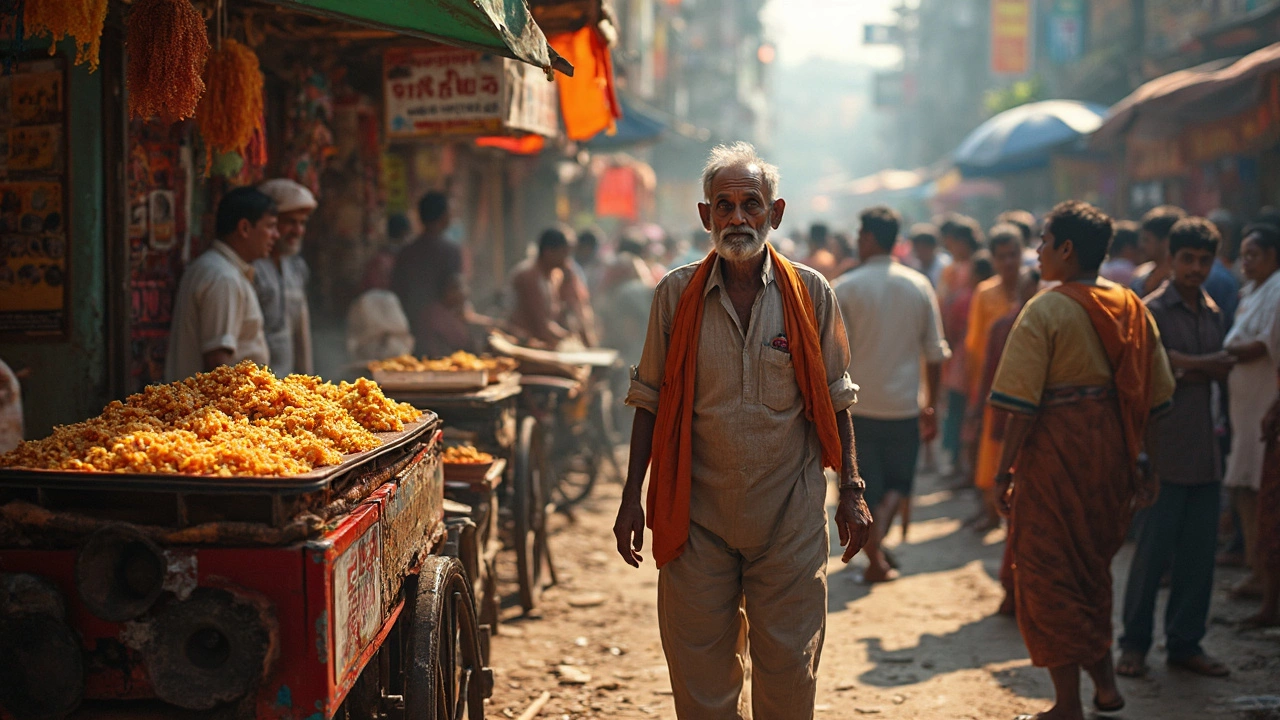
Unveiling India's Least Popular Street Food: A Deep Dive
India is a land of diverse flavors, and while some street foods are beloved across the nation, there are a few dishes that don't make the popularity cut. This article explores what's considered the most unpopular street food in India, digging into the reasons behind its unpopularity. Learn about the cultural influences, taste preferences, and even hygiene considerations that contribute to this status. Whether you're planning a culinary adventure or just curious about unique foods, this piece offers a fascinating look at what doesn't quite make it to the top of the menu.