Dosa Fermentation: How to Get Perfect Fermented Batter Every Time
When you're making dosa fermentation, the natural process where rice and lentil batter rises and develops tangy flavor through wild yeast and lactic acid bacteria. It's not just mixing ingredients—it's letting nature do the work. Skip this step, and you'll end up with flat, dense pancakes that taste like plain rice. Get it right, and you get crispy, airy dosas with that unmistakable sour tang that makes them addictive.
Dosa batter, a simple mix of rice and urad dal soaked, ground, and left to rest needs warmth, time, and patience. Most people think it takes 8 hours. In reality, it can take 12 to 24 hours depending on your kitchen. In cold weather? It might need 30 hours. The key isn't following a clock—it's watching the batter. When it doubles in volume, smells slightly sour like yogurt, and has tiny bubbles all over, you're good. If it doesn't rise, your rice might be old, your water too cold, or your spot too drafty. A warm corner near the stove, a turned-off oven with the light on, or even a thermos with warm water can make all the difference.
Idli dosa batter, a close cousin to dosa batter, made with the same ingredients but often ground finer and fermented longer for fluffier idlis shows you how sensitive this process is. The same batter that works for dosas might be too runny for idlis if you don't adjust the water. Fermentation isn't just about time—it's about texture, smell, and feel. Over-fermented batter? It smells boozy and collapses when stirred. Under-fermented? It sticks to the pan and doesn’t crisp up. You don’t need fancy starters or yeast. Just good rice, fresh urad dal, salt, and a little patience.
What you’ll find in the posts below aren’t just recipes—they’re real fixes for real problems. Why does your batter smell funny? How do you save over-fermented batter? Can you refrigerate it and use it later? What oil gives the crispiest dosa? You’ll see how people cracked the code on batter that rises every time, even in winter. No fluff. No theory. Just what works in a home kitchen, tested over and over.
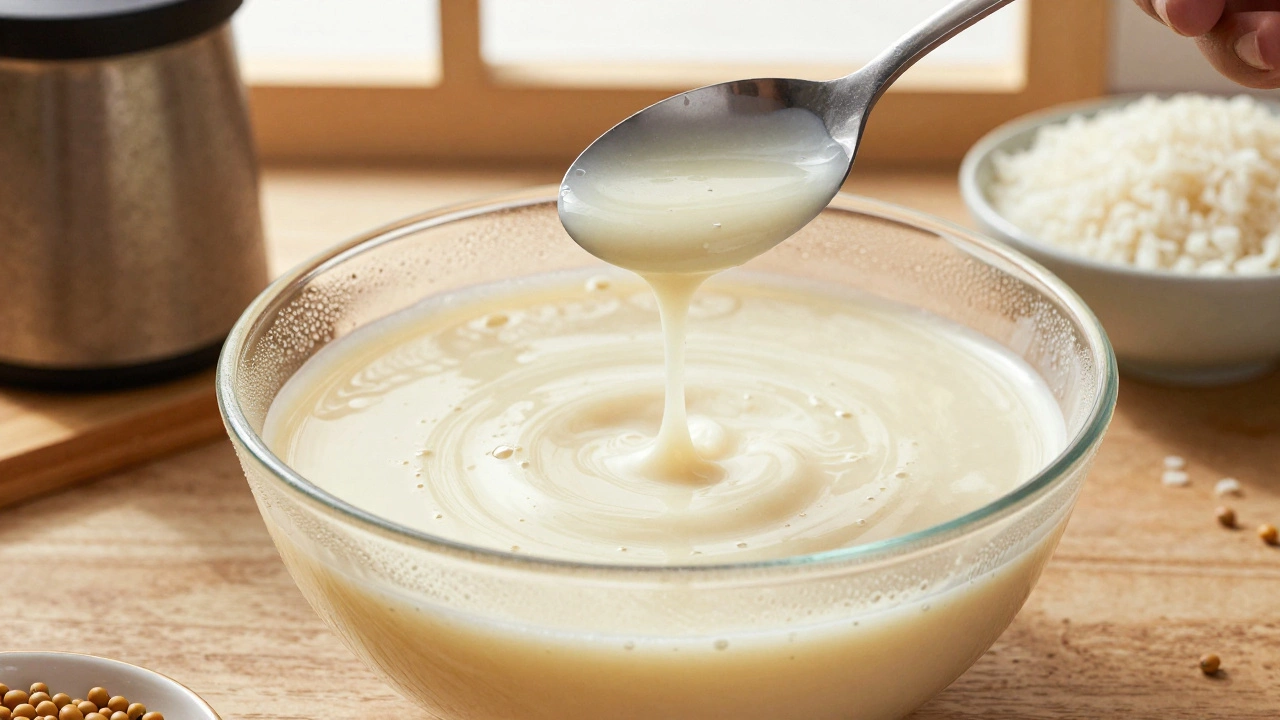
Why Is My Dosa Batter Rubbery? Fix Your Dosa Batter with These Simple Fixes
Your dosa batter turns rubbery because it's under-fermented, too thick, or not ground right. Learn how to fix it with temperature tips, water ratios, and fermentation tricks that actually work.
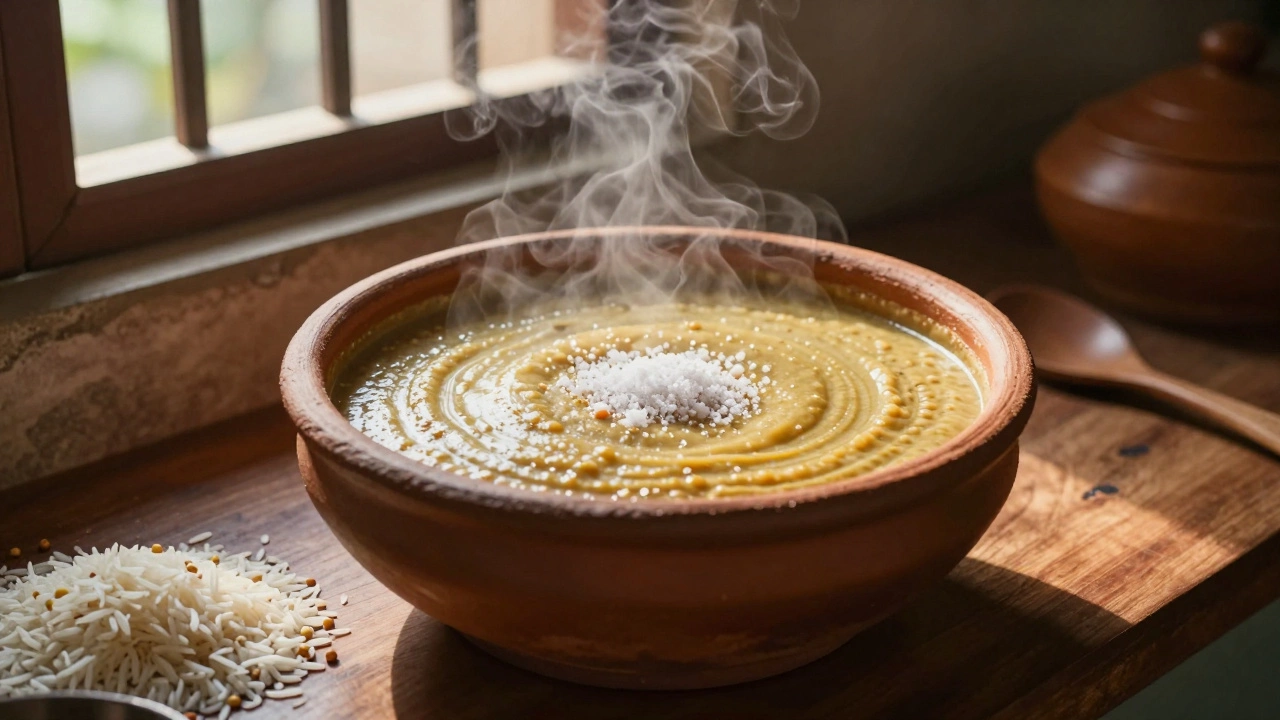
Should We Add Salt to Dosa Batter? The Science Behind the Flip
Adding salt to dosa batter isn't optional - it's essential for flavor and fermentation. Learn the right amount, timing, and type of salt to use for perfect, crispy dosas every time.
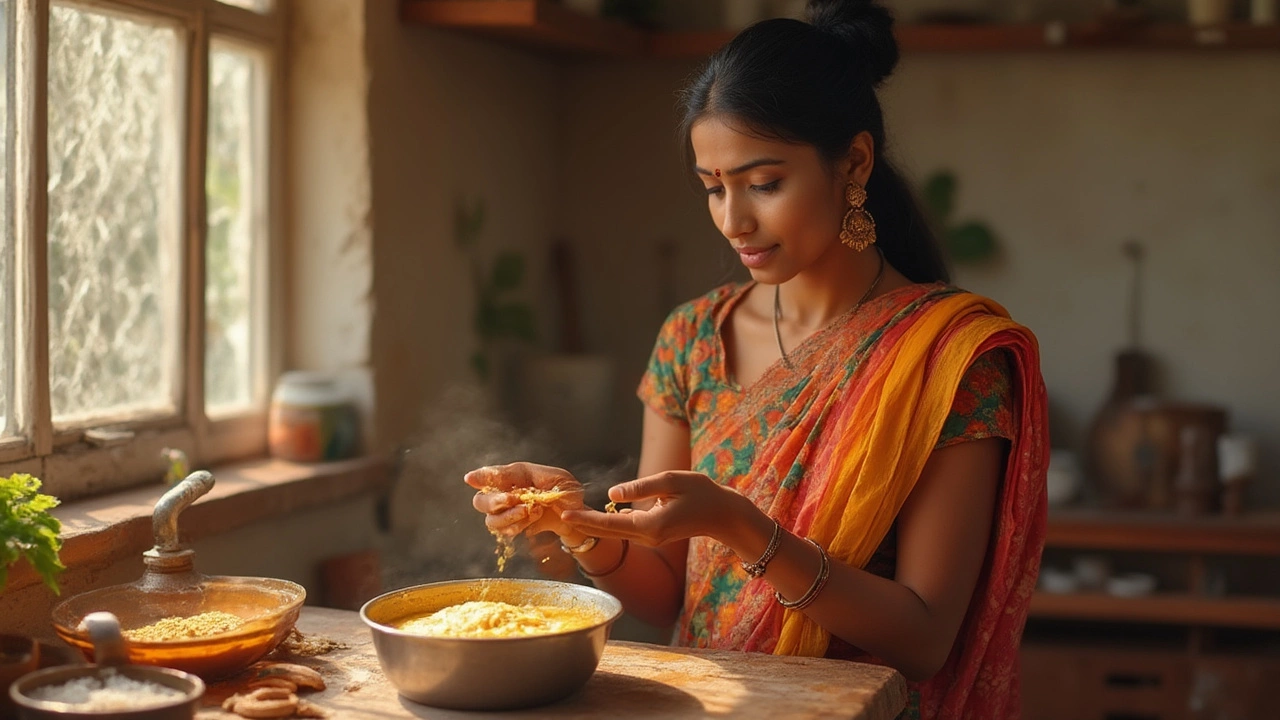
Why Your Dosa Batter Turns Rubbery: Causes, Fixes, and Pro Tips
Discover why dosa batter turns rubbery, how to fix it, and expert tips for perfect crispy dosas every time at home.

Curd in Dosa Batter: What Really Happens and Why You Should Try It
Curious about adding curd to dosa batter? This article breaks down what actually happens when you mix curd into your dosa base, tackling texture, taste, and technique. Discover how curd changes fermentation, why it makes your dosas fluffier, and what to watch out for if you go overboard. Packed with practical tips for home cooks who want to level up their dosas. If you've ever ended up with flat or sour dosas, this guide is for you.