Cooking Biryani: Secrets to Perfect Rice, Aroma, and Layered Flavor
When you're cooking biryani, a layered rice dish from India that combines spiced meat or vegetables with fragrant basmati rice. Also known as biryani recipe, it’s not just about boiling rice and mixing in spices—it’s about timing, layering, and letting heat do the quiet work of turning simple ingredients into something deeply aromatic. Most people think the flavor comes from curry powder or turmeric, but that’s not it. The real magic is in the slow steam, the hidden spices like kewra water and saffron, and the way the rice absorbs every drop of flavor without turning mushy.
Getting the biryani baking time, the precise oven duration needed to finish steaming the rice without drying it out right is make-or-break. Too short, and the rice stays crunchy. Too long, and it turns to glue. The sweet spot? Around 25 minutes at 325°F. That’s not a guess—it’s what works when you layer the rice and meat, seal the pot with dough or foil, and let the trapped steam finish the job. And then there’s the biryani aroma, the unmistakable scent that fills a kitchen when spices like cardamom, clove, and bay leaf release their oils under gentle heat. It’s not just about adding more spices—it’s about when and how you add them. Toasting whole spices before grinding, blooming them in ghee, and finishing with a splash of rose or kewra water? That’s what turns good biryani into something people remember.
The green garnish isn’t just decoration. green garnish biryani, the fresh cilantro and mint leaves scattered on top just before serving adds a bright, cooling contrast to the rich, spicy layers below. It’s the same reason you serve raita with tandoori chicken—it balances. And if you’ve ever wondered why your biryani doesn’t smell like the ones in restaurants, it’s probably because you’re skipping the final steam. The lid stays on. The heat stays low. The flavors marry. That’s the secret no one talks about.
There’s no single way to cook biryani. Lucknow styles are subtle, Hyderabad versions are bold, and Kolkata biryani even includes boiled eggs. But they all share the same rules: rice must be parboiled just right, meat needs to be tender before layering, and the pot must seal tight. You don’t need a tandoor. You don’t need fancy tools. Just a heavy pot, patience, and a little trust in the process.
Below, you’ll find real answers to the questions people actually ask when they’re cooking biryani: How long to bake it? What makes it smell so good? Why do the herbs matter? And what’s the one mistake that ruins it every time? No fluff. No theory. Just what works.
What Gives Biryani Its Taste?
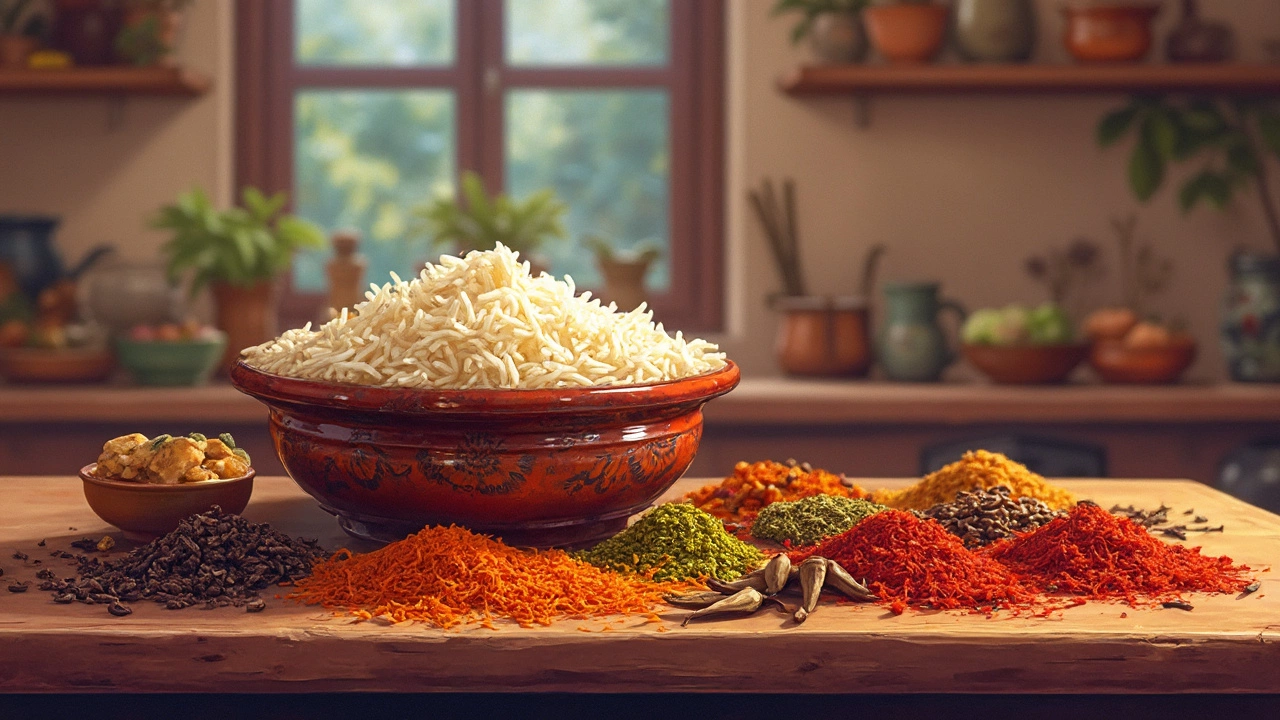
Biryani, a delicious medley of spices, meats, and rice, owes its flavor to a unique combination of ingredients. From the aromatic basmati rice to the blend of spices like saffron and cardamom, each component plays a crucial role. The preparation method, including marination and slow cooking, is another key factor. Understanding these elements can help you prepare a mouth-watering biryani at home.