Chutney Recipes: Authentic Indian Condiments Made Simple
When you think of chutney, a spicy, sweet, or tangy Indian condiment made from fruits, herbs, or vegetables, often served with snacks or curries. Also known as Indian relish, it's not just a side—it’s the flavor booster that turns a simple meal into something unforgettable. You won’t find it in a jar on the shelf that matches the real thing. Homemade chutney is alive with freshness—crushed garlic, toasted cumin, lime juice, and herbs crushed just before serving. It’s not a sauce you pour. It’s a punch you taste.
There’s more to chutney than just mango. mint chutney, a bright green paste made from fresh cilantro and mint, ground with green chilies and lemon is the classic partner to samosas and tandoori snacks. Then there’s coconut chutney, a creamy, slightly sweet blend of grated coconut, roasted lentils, and dried red chilies, a staple in South Indian breakfasts with idli and dosa. And if you’re out of chutney? You’re not stuck—you’ve got options. Tomato chutney, spiced apple butter, even mango salsa can step in, but they’re not the same. Nothing replaces the sharpness of freshly ground coriander seeds or the heat of a single green chili crushed with your mortar and pestle.
Chutney isn’t just about taste. It’s about balance—sweet, sour, salty, spicy—all in one spoonful. It cuts through rich curries, wakes up fried snacks, and even cools down a fiery tandoori chicken. The best chutneys are made in minutes, not hours. You don’t need fancy tools. Just a bowl, a spoon, and ingredients you already have. And while store-bought versions sit on shelves for months, homemade chutney lasts a week at most—and that’s the point. It’s meant to be used, not stored.
What you’ll find below isn’t just a list of recipes. It’s a collection of real, tested methods—from the classic green mint chutney that’s been passed down in households for generations, to the unexpected twists like spiced apple butter that work surprisingly well when you’re out of the usual ingredients. You’ll see why some recipes call for tamarind, others for jaggery, and why a pinch of salt can make or break the whole thing. No fluff. No filler. Just the facts, the fixes, and the flavors that make Indian meals come alive.
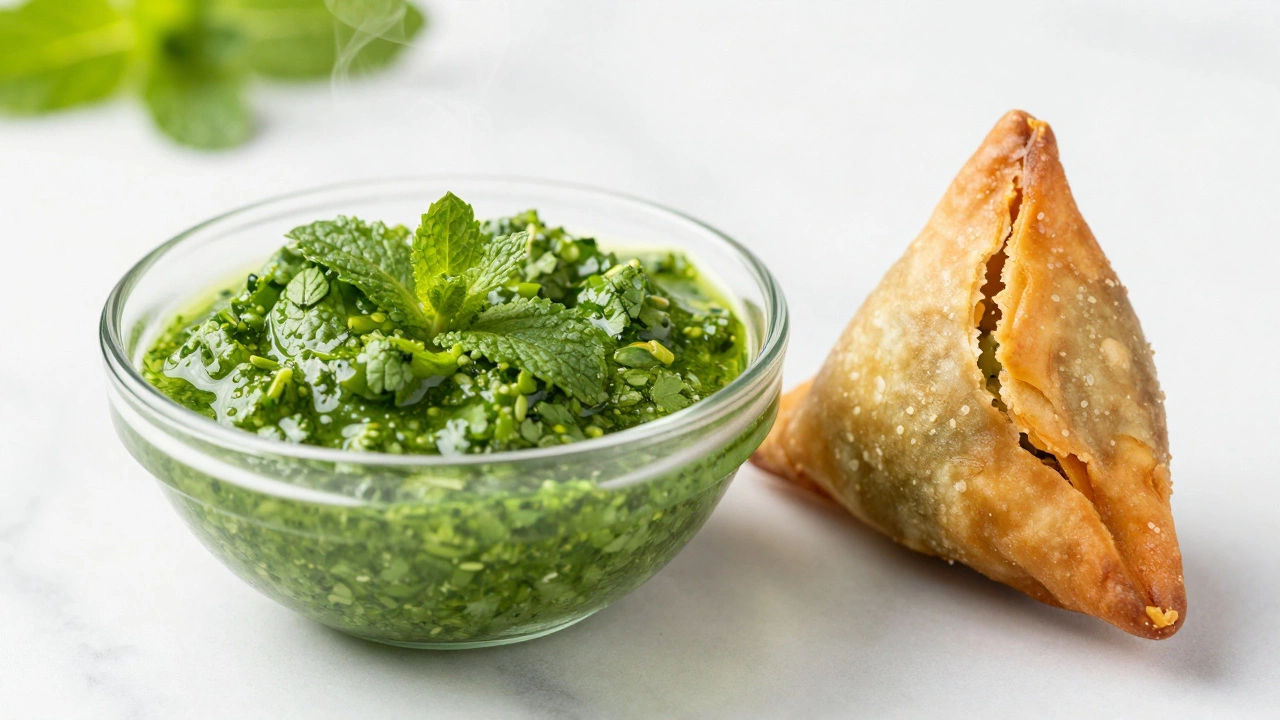
Should You Serve Chutney Hot or Cold? The Ultimate Guide
Wondering if chutney should be served hot or cold? Discover the rules for fruit preserves, fresh herb dips, and coconut chutneys to maximize flavor and contrast.
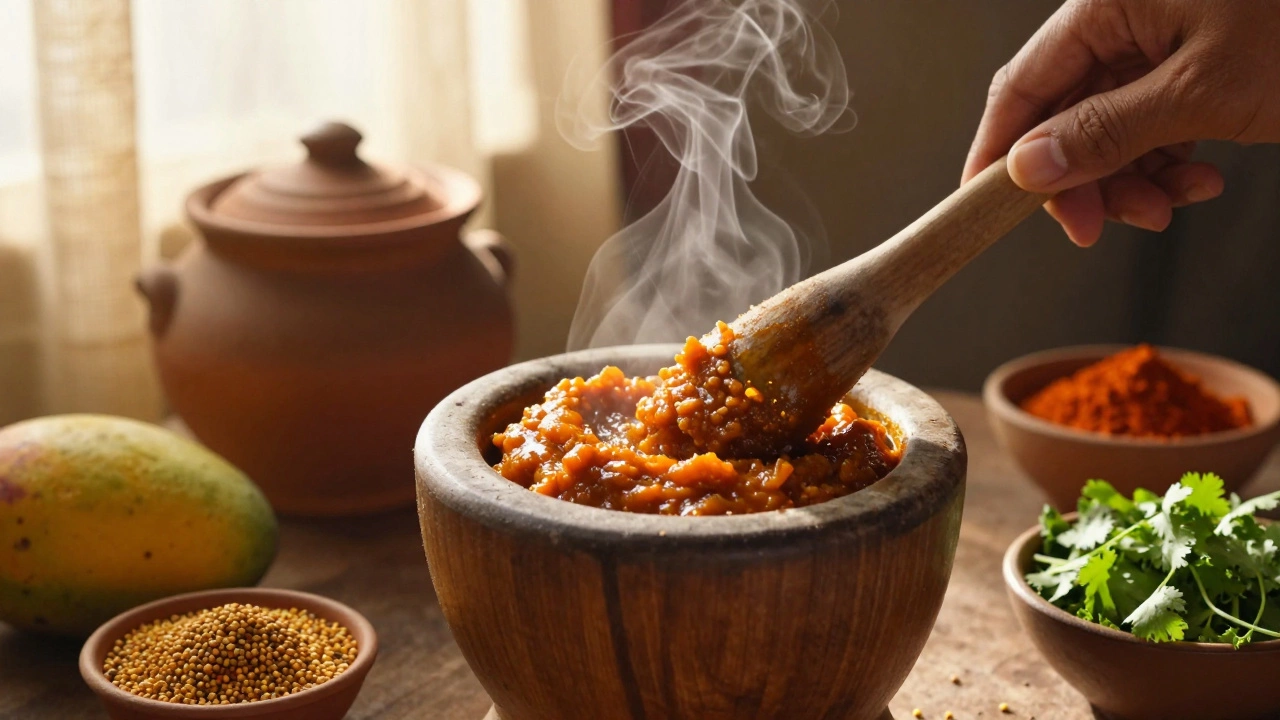
What's the Difference Between Chutney and Relish?
Chutney and relish look similar but are worlds apart. Chutney is a spiced, fruity condiment from India with deep flavor; relish is a crunchy, vinegar-based pickle topping common in American cuisine. Know the difference before you swap them.
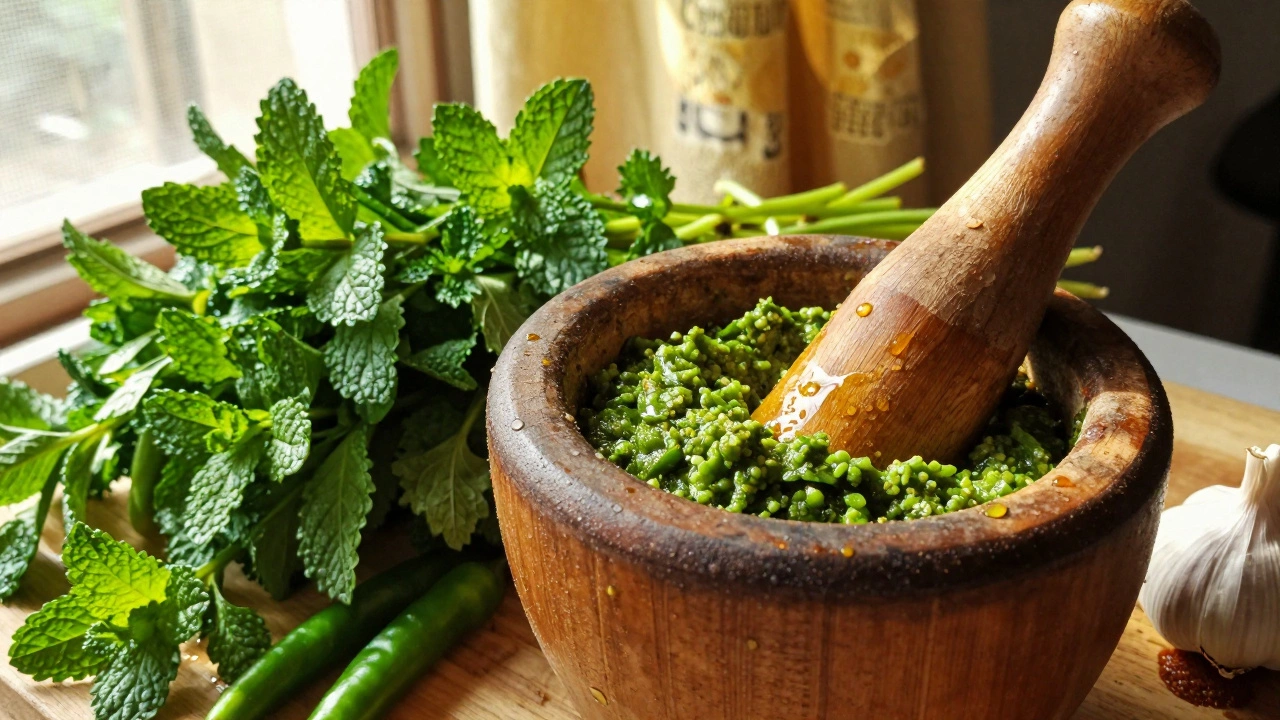
What Does Chutney Taste Like? A Real-World Guide to Flavors
Chutney isn't just spicy or sweet - it's a layered explosion of sour, salty, smoky, and fresh flavors. Learn how fruit, spices, texture, and time shape its unique taste in Indian kitchens.

Is Salsa a Chutney? Breaking Down the Tangy Truth
Wondering if salsa is just another name for chutney? This article uncovers the similarities and differences between salsa and chutney, diving into their ingredients, methods, and cultural backgrounds. Get a clear picture of how these two iconic condiments stack up. You'll pick up tips for using them and ideas for swapping one for the other in your kitchen. If you've ever scratched your head in the condiment aisle, this will clear things up.

Thickening Agent for Chutney: What Works Best and Why It Matters
Wondering why some homemade chutney turns out runny while other jars deliver that perfect texture? Thickening agents can be the secret weapon behind a chutney’s texture. This article breaks down what thickening agents actually are, how they work, and which ones home cooks love. Get tips, pros and cons, and insider tricks for getting your chutney just right. If you want a spread that isn’t dripping off your toast, you’ll want to keep reading.

What is the Famous English Chutney? A Beginner’s Guide to Real British Flavour
Trying to figure out what makes English chutney so famous? This article breaks down what it really is, the history behind it, and the most iconic types you'll find in kitchens across Britain. Find out how this simple condiment became a national favorite, get tips for using it, and learn how to mix things up at home. You'll walk away knowing how to pick the right chutney for any meal—even if you've never tried it before. No fuss, just straight-to-the-point information.