Cheese Whey Drink: What It Is, How It's Used, and Why It Matters in Indian Cooking
When you make cheese whey drink, the liquid left over after curdling milk to make fresh cheese like paneer. Also known as paneer whey, it’s not waste—it’s a kitchen treasure. In Indian homes, this clear, slightly sour liquid doesn’t go down the drain. Instead, it’s saved for cooking, drinking, or fermenting. It’s packed with proteins, calcium, and live cultures, making it a quiet superfood in households that know how to use it.
It’s closely tied to paneer, a fresh, non-melting Indian cheese made by curdling milk with lemon juice or yogurt. Indian cheese—a concept you’ll see repeated in posts about how to make paneer at home, why lemon juice curdles milk, and what to do with the leftover liquid. You can’t make paneer without whey, and you shouldn’t throw it away. Many families use it to knead roti dough for softer bread, to cook dal for extra richness, or even to ferment dosa batter for better rise. It’s the secret ingredient in many regional dishes that never made it into cookbooks.
Some people drink it straight—chilled, with a pinch of salt or a squeeze of lime. In South India, it’s mixed with jaggery and spices as a post-meal digestive. In Punjab, it’s boiled down to make a sweet, sticky candy called chhena. It’s also used as a natural tenderizer for meats and a base for cooling drinks during summer. This isn’t fancy food science—it’s practical, generations-old kitchen wisdom. And if you’ve ever made paneer and wondered what to do with the liquid, you’re not alone. The posts here cover everything from how to store it properly, to how it affects fermentation, to why some cooks swear by it over water in curries.
It’s not just about nutrition. Using whey reduces waste, cuts grocery costs, and connects you to how Indian food was made before supermarkets. You’ll find posts that explain how to tell if your whey is still good, how it compares to yogurt water, and why it’s better than store-bought buttermilk in some recipes. If you’ve ever made paneer and felt guilty tossing out that gallon of liquid, this collection is your fix. You’ll learn how to turn waste into flavor, and how the simplest byproducts often hold the biggest taste secrets.
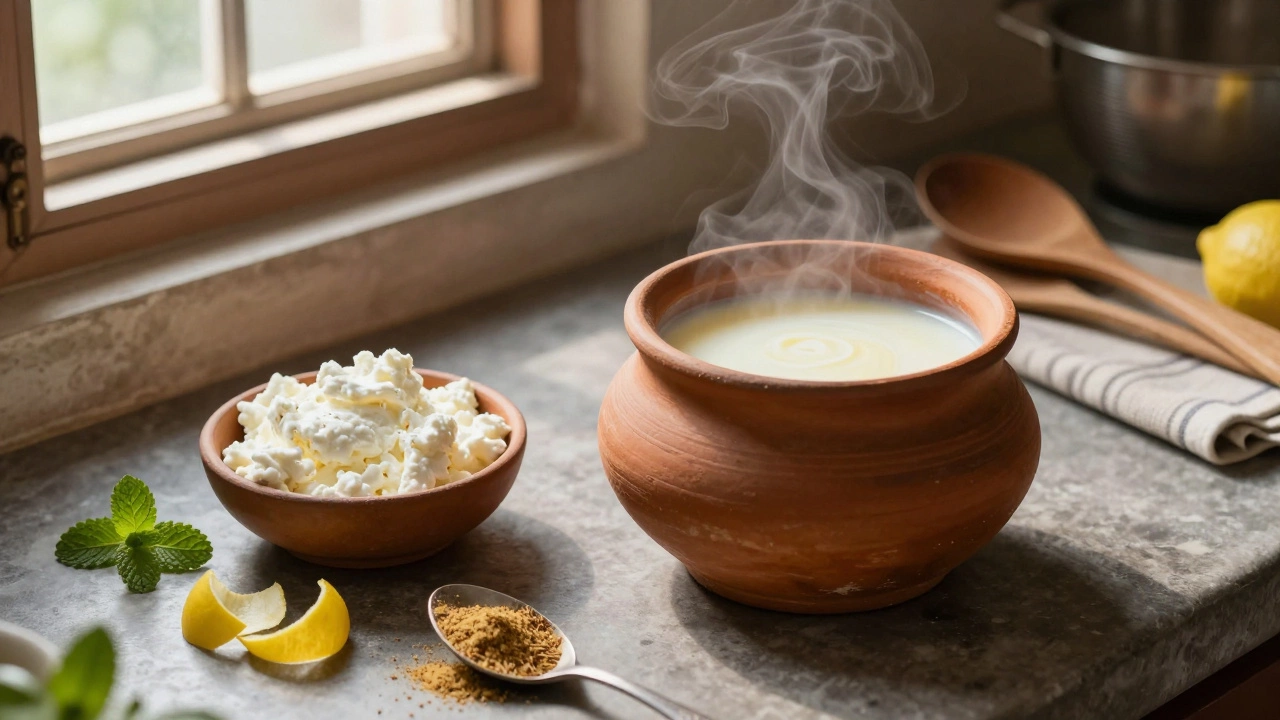
Can You Drink Whey After Making Paneer? Here's What Actually Happens
Yes, you can drink whey after making paneer at home. It's nutritious, safe if handled properly, and used traditionally in Indian kitchens. Learn how to drink it, use it in cooking, and avoid common mistakes.