Bad Indian Food Choices: What to Avoid and Why
When people think of Indian food, they imagine bold spices, rich curries, and fragrant rice. But not every dish on the table is good for you. Bad Indian food choices, common habits like over-fried snacks, sugary desserts, and poorly prepared fermented foods that can upset digestion, spike blood sugar, or even cause foodborne illness. It’s not about giving up tradition—it’s about knowing what to watch out for so you can still enjoy flavor without the fallout.
Take over-fermented dosa batter, a situation where the batter sours too much, creating harmful bacteria or excessive acidity that can lead to bloating, nausea, or worse. Many assume sour means ready, but too much fermentation isn’t just unpleasant—it’s risky. Same with tandoori chicken, a dish often made with artificial red coloring and too much oil, turning a healthy protein into a gut irritant. The real issue isn’t the chicken—it’s how it’s prepared. And then there’s the myth that everything homemade is safe. Not true. Drinking whey after making paneer, can be nutritious, but if the milk wasn’t fresh or the process wasn’t clean, that liquid could carry harmful microbes. These aren’t edge cases. They’re everyday mistakes in homes and small restaurants across India.
You don’t need to avoid Indian food. You just need to know what to question. Is that crispy samosa fried in reused oil? Is the chutney packed with sugar? Did the dosa batter sit out for three days? These aren’t just cooking tips—they’re health checkpoints. The posts below break down exactly what goes wrong in these dishes, why it matters, and how to fix it without losing flavor. You’ll learn what’s actually safe to eat, what to skip, and how to spot the red flags before you take your first bite.
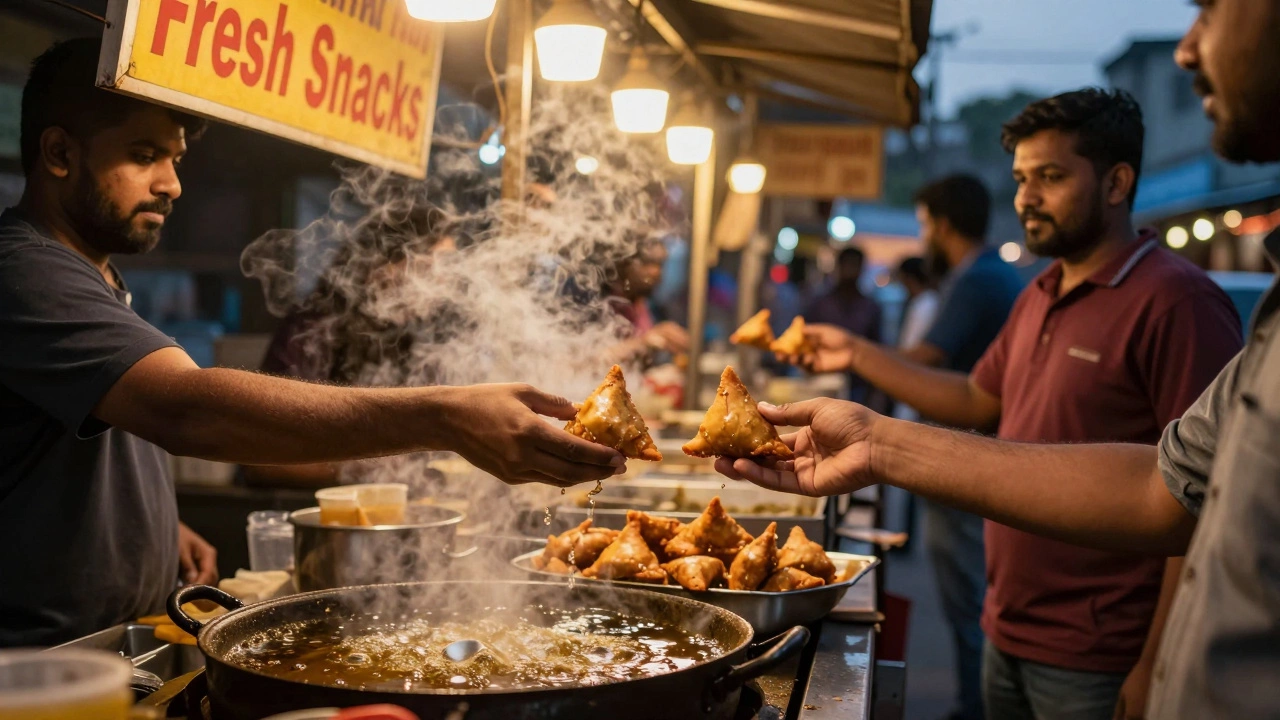
What Is the Most Unhealthy Indian Food? Hidden Dangers in Popular Dishes
Some Indian dishes are loaded with fried ingredients, cream, sugar, and refined flour. Learn which ones are the unhealthiest and how to enjoy Indian food without the guilt.