Chutney Serving Temperature Advisor
Select your chutney type to discover the best temperature and pairing strategy.
Recommendation
TemperatureReasoning will appear here.
Select a chutney to get the professional serving guide
Quick Summary: The Temperature Cheat Sheet
- Cold/Room Temp: Best for fruit-based, vinegary, or fresh herb chutneys (like Mint or Mango).
- Warm/Hot: Best for coconut-based, nutty, or tempering-heavy chutneys (like Coconut or Peanut).
- Rule of Thumb: If it's a preserve, keep it cool. If it's a fresh dip, keep it warm.
When to Keep It Cold
Fruit-based chutneys, especially those with a high vinegar content, are designed to be eaten cold or at room temperature. Think of a classic Mango Chutney. Because it's a preserve, the acidity and sugar act as stabilizers. Heating it up can sometimes make the sweetness feel overwhelming or cause the consistency to become too runny, losing that thick, jammy texture that clings to a piece of naan.
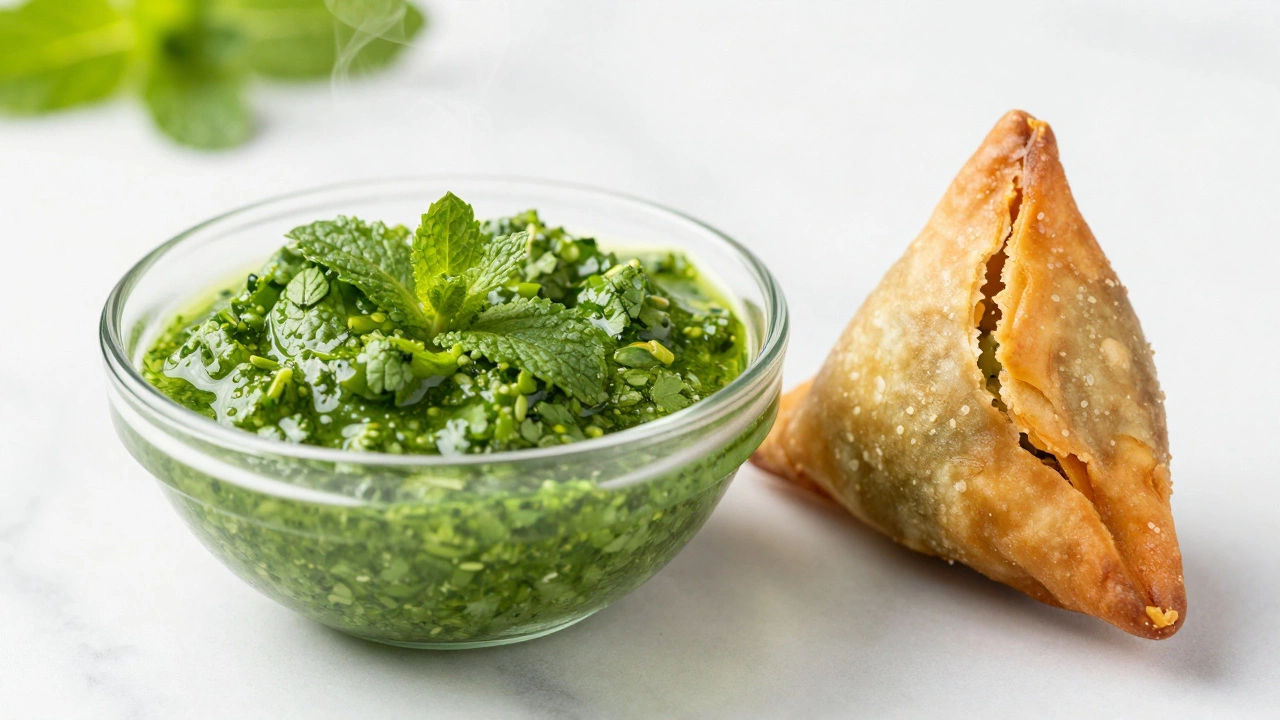
Fresh herb chutneys also belong in the cold category. A Mint Chutney, made with fresh coriander and mint leaves, relies on the brightness of the raw herbs. If you heat this up, you'll likely kill the volatile oils that give it that refreshing zing, leaving you with a dull, brown sauce instead of a vibrant green accompaniment. This is why you'll almost always see it served chilled alongside hot, fried Samosas-the temperature contrast is exactly what makes the dish exciting.
The Magic of Warm Chutneys
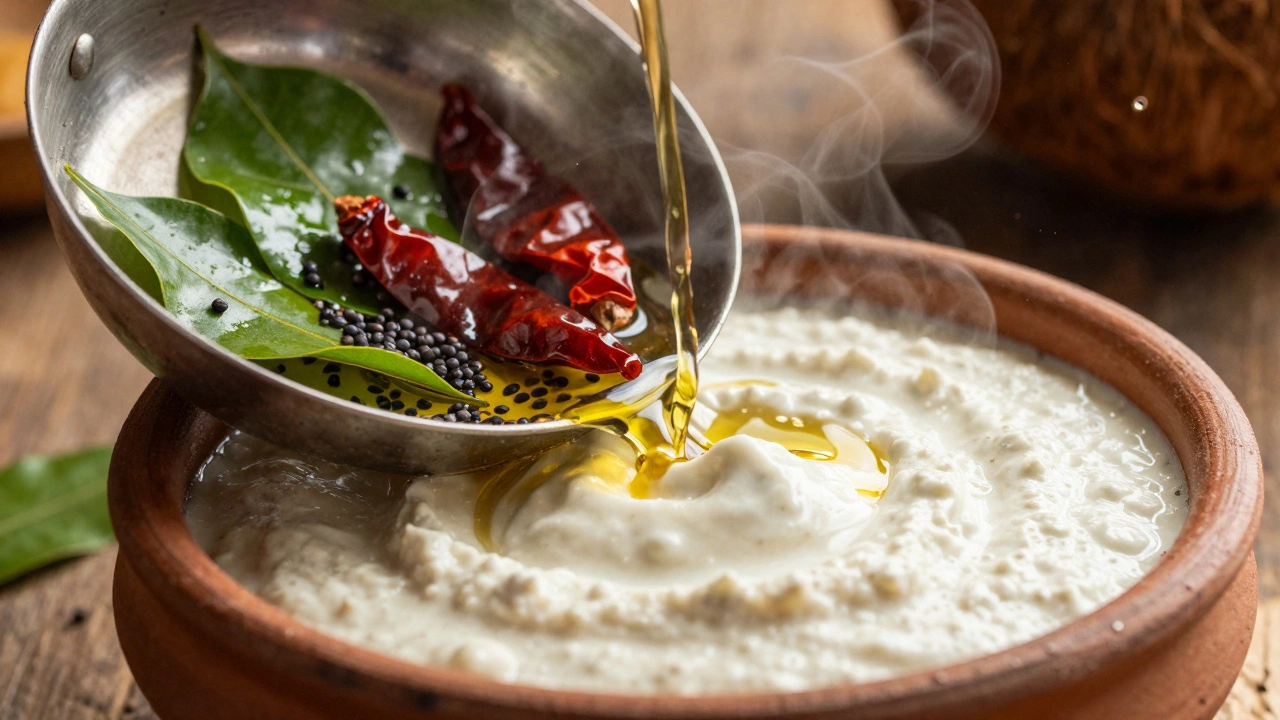
Now, let's talk about the other side of the spectrum. In South Indian cuisine, many chutneys are treated more like dips and are often served warm. The secret here is the Tadka, which is the process of tempering spices in hot oil. When you see a Coconut Chutney topped with sizzling mustard seeds, curry leaves, and dried red chilies, the heat from the oil wakes up the flavors in the coconut base.
Eating a coconut or peanut chutney slightly warm enhances the nuttiness. Cold coconut can sometimes feel a bit heavy or "cloying" on the palate. When warmed, the fats in the coconut or peanut butter melt slightly, allowing the salt and spice to distribute more evenly across your tongue. If you're pairing your chutney with something like Idli or Dosa, a warm chutney complements the steaming temperature of the rice cakes, creating a cohesive eating experience.
| Chutney Type | Recommended Temp | Key Reason | Best Pairing |
|---|---|---|---|
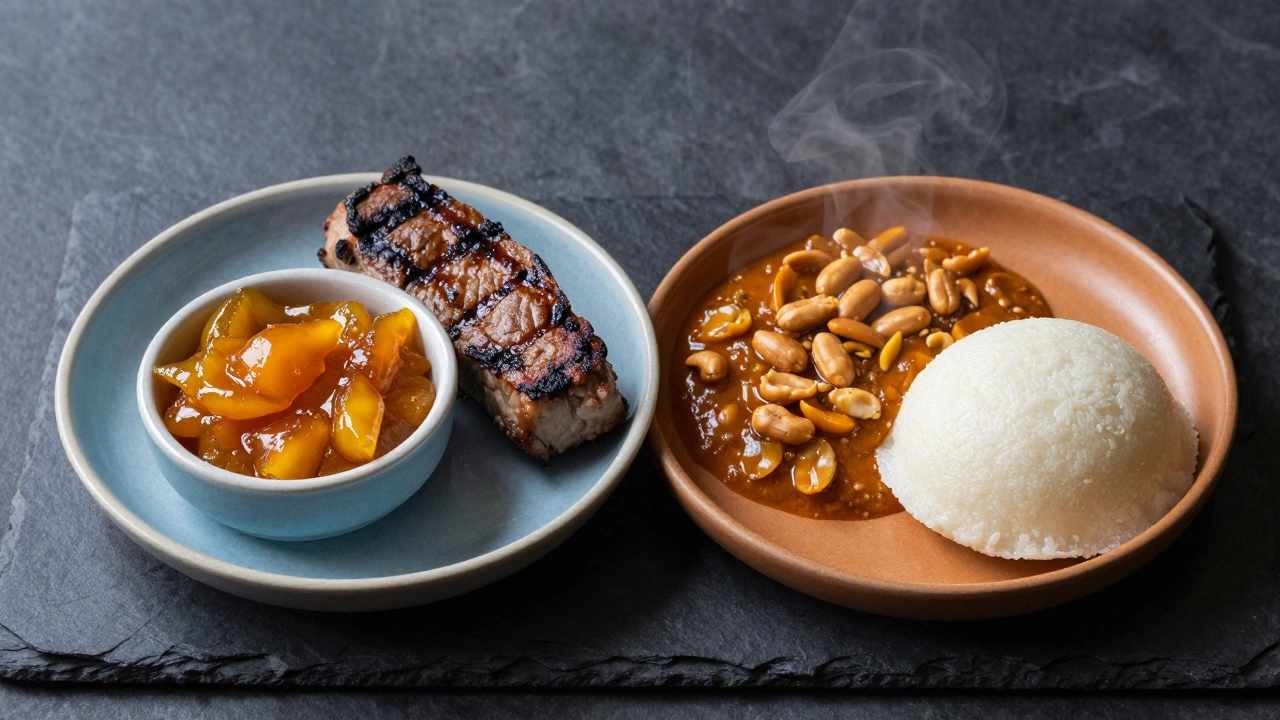
| Mango / Tamarind | Cold / Room Temp | Preserves acidity and thickness | Cheese boards, Grilled meats |
| Mint / Cilantro | Chilled | Maintains herb freshness | Pakoras, Kebabs |
| Coconut / Peanut | Warm / Room Temp | Activates tempered spices | Idli, Dosa, Vada |
| Tomato / Onion | Either (Variable) | Depends on if it's sautéed or raw | Parathas, Sandwiches |
The Role of the Palate and Contrast
Cooking isn't just about recipes; it's about the sensory experience. One of the biggest reasons to choose cold chutney is to create thermal contrast. When you have a piping hot piece of fried food, a cold, tangy chutney acts as a palate cleanser. It cuts through the grease and resets your taste buds for the next bite. If everything on the plate is hot, the flavors can blend together into one monolithic taste.
On the flip side, when the main dish is mild or bland (like steamed rice or plain bread), a warm, spiced chutney provides the necessary heat and energy. It doesn't just add flavor; it changes the physical sensation of the meal. For instance, a warm tomato chutney on a cold piece of sourdough toast provides a comforting, cozy contrast that a chilled version simply wouldn't achieve.
Common Mistakes to Avoid
A frequent error is microwaving a store-bought fruit chutney. Because these are high in sugar, they can develop "hot spots" in the microwave, causing the sugar to caramelize or burn in small clumps. If you absolutely must warm up a preserve-style chutney, do it slowly in a small saucepan on low heat with a splash of water or apple cider vinegar to loosen the texture.
Another mistake is letting a fresh herb chutney sit out in the sun. Because of the fresh ingredients and lack of strong preservatives, these can spoil quickly. Keep your mint and coriander chutneys in the fridge and only bring them to room temperature a few minutes before serving to maintain that critical snap of freshness.
Pro Tips for Serving
- The Tempering Trick: If you have a cold coconut chutney, don't heat the whole bowl. Instead, heat a teaspoon of oil, fry your mustard seeds and curry leaves until they pop, and pour the sizzling oil directly over the cold chutney. This gives you the best of both worlds: a cool base with an aromatic, hot topping.
- The Room Temp Transition: For vinegary chutneys, take them out of the fridge 30 minutes before the meal. This allows the complex sugars and spices to open up, which they can't do when they are frozen shut by refrigeration.
- Consistency Check: If your cold chutney is too thick to scoop, don't heat it-stir in a teaspoon of lemon juice or water. This restores the flow without compromising the temperature profile.
Will heating chutney change the taste?
Yes, significantly. Heating fruit-based chutneys often intensifies the sweetness and can make the vinegar taste sharper. For herb-based chutneys, heat can destroy the fresh, "green" flavor of the mint or cilantro. However, for nut and seed-based chutneys, heat typically unlocks deeper, toastier notes and blends the spices more effectively.
Is it safe to eat chutney that has been sitting at room temperature?
It depends on the type. Preserved chutneys (high vinegar and sugar) are very stable and can stay out for several hours. However, fresh chutneys made with coconut, yogurt, or raw herbs should not be left out for more than two hours, as they are prone to bacterial growth and spoilage.
Can I freeze chutney and then heat it?
Most cooked chutneys freeze beautifully. When reheating, it's best to do so gently on the stove. Avoid the microwave for high-sugar chutneys to prevent burning. Fresh mint chutney doesn't freeze as well because the cell structure of the leaves breaks down, often resulting in a loss of color and flavor.
Why do some restaurants serve chutney in chilled bowls?
This is specifically to maintain the thermal contrast. By keeping the bowl cold, the chutney stays chilled longer, which provides a refreshing counterpoint to hot appetizers like pakoras or tikkas, preventing the palate from becoming overwhelmed by heat.
Does the type of vinegar affect the temperature preference?
Generally, yes. Chutneys using strong distilled vinegars are often better cold as the acidity is more refreshing. Those using apple cider vinegar or date vinegar have a softer, fruitier profile that can handle being served at room temperature or slightly warmed without becoming too harsh.
Next Steps for Your Chutney Experience
If you're a beginner, try the "Contrast Method" first: pair a chilled mint chutney with a hot fried snack. If you're looking to level up, experiment with the "Tadka Method" for your coconut chutneys. Try heating just the oil and spices and pouring them over the dip right before you hit the table. You'll notice an immediate difference in how the aromas hit your nose before the food even touches your tongue.