Gut-Friendly Chutney Builder
● Step 1: Choose Your Fresh Base
Select one or more fresh vegetables/fruits. These provide the fiber (prebiotics) that feed good bacteria.
● Step 2: Add Gut Healers
Select ingredients known to soothe inflammation, repair gut lining, or aid digestion.
● Step 3: Choose Your Method
How will you prepare it? This determines if you get live probiotics or just enzymatic benefits.
Raw & Fermented
Blend raw, add salt/yogurt, age in fridge for 24-48 hours. High probiotic content.
Fresh Blend
Blend immediately before eating. Good for enzymes, zero sugar, but lower probiotics.
● Your Custom Gut-Healing Chutney
Recipe Name
Most people reach for a jar of store-bought sauce to add flavor to their meals without thinking twice about what happens after they swallow it. But when you ask if chutney is good for your gut, the answer isn't just yes or no-it depends entirely on how that chutney was made. Not all chutneys are created equal. Some are simply sweetened fruit purees with added vinegar, while others are living foods packed with beneficial bacteria that can transform your digestive system.
The confusion comes from the word itself. In many parts of the world, "chutney" refers to any tangy condiment. However, there is a massive difference between a cooked, shelf-stable mango chutney and a traditional, raw, fermented green chili chutney. One acts like candy for your taste buds but does little for your biology. The other acts as a prebiotic and probiotic powerhouse. Understanding this distinction is the first step toward using these condiments to heal rather than just flavor your food.
The Two Types of Chutney: Cooked vs. Fermented
To understand the impact on your gut, we need to split chutneys into two distinct categories. This separation is crucial because their biological effects are opposites.
| Feature | Cooked/Sweet Chutney | Fermented/Raw Chutney |
|---|---|---|
| Processing Method | Boiled with sugar/vinegar | Raw, ground, and aged (often with salt) |
| Probiotic Content | Zero (heat kills bacteria) | High (live cultures present) |
| Sugar Content | High (often 30-50% sugar) | Low to None |
| Gut Impact | Can feed harmful yeast/bacteria | Feeds beneficial flora |
| Shelf Life | Months (preserved) | Days to Weeks (refrigerated) |
Cooked Chutney is a condiment typically made by simmering fruits like mango or pineapple with sugar, vinegar, and spices until thick. While delicious, the cooking process destroys any natural enzymes and beneficial microbes found in the fresh ingredients. The high sugar content can actually feed bad bacteria in the gut, potentially leading to bloating or inflammation if consumed in excess. Think of this type more as a dessert topping than a health booster.
In contrast, Fermented Chutney is a raw condiment made by grinding fresh vegetables, herbs, or spices and allowing them to age, often through lacto-fermentation or simple enzymatic breakdown. Examples include Indian coconut chutney (when eaten fresh), Korean kimchi-based sauces, or traditional Southeast Asian fish pastes used as condiments. These contain live cultures similar to yogurt or kefir, which actively support your microbiome.
Why Fermented Chutneys Boost Digestion
When you consume a properly fermented chutney, you aren't just adding flavor; you're introducing allies to your internal ecosystem. The primary benefit comes from Probiotics, which are live microorganisms that provide health benefits when consumed. Specifically, lactic acid bacteria (LAB) are common in fermented vegetable chutneys. These bacteria help break down complex carbohydrates that your own body struggles to digest alone.
This process reduces the workload on your stomach and small intestine. Instead of your body fighting to extract nutrients from fibrous greens or tough vegetables, the fermentation has pre-digested some of those compounds. You get better nutrient absorption with less effort. Additionally, these bacteria produce short-chain fatty acids (SCFAs) like butyrate, which fuel the cells lining your colon and reduce systemic inflammation.
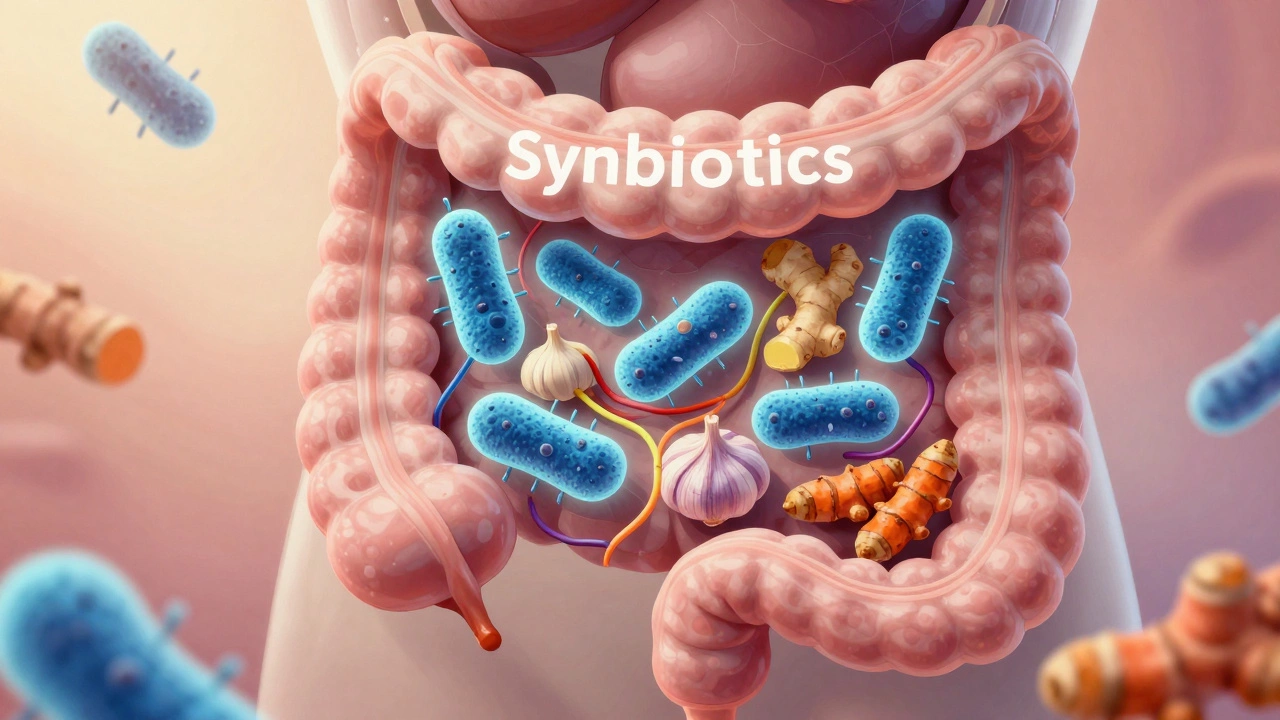
Beyond probiotics, many raw chutneys act as Prebiotics, which are types of fiber that feed the good bacteria already living in your gut. Ingredients commonly found in chutneys-such as ginger, garlic, onions, and leafy greens-are rich in inulin and fructooligosaccharides (FOS). These fibers pass undigested through the upper GI tract, where they serve as food for your existing beneficial microbes, encouraging them to multiply.
Key Ingredients That Heal the Gut
The power of chutney lies not just in the fermentation process, but in the specific ingredients chosen. Many traditional recipes include components that have been scientifically proven to soothe the digestive tract.
- Ginger: Found in many Thai and Indian chutneys, ginger stimulates saliva, bile, and gastric enzymes. It speeds up gastric emptying, meaning food moves through your stomach faster, reducing feelings of fullness and bloating. Studies show ginger can be as effective as some medications for treating nausea and functional dyspepsia.
- Turmeric: Often paired with black pepper in yellow chutneys, turmeric contains curcumin. Curcumin is a potent anti-inflammatory agent that helps repair the gut lining. A leaky gut, or increased intestinal permeability, is linked to numerous chronic conditions, and turmeric helps tighten those junctions between cells.
- Mint and Coriander: Common in South Asian green chutneys, these herbs have antispasmodic properties. They relax the smooth muscles of the gastrointestinal tract, helping to relieve cramping and gas. If you suffer from IBS (Irritable Bowel Syndrome), mint-based chutneys can offer significant relief.
- Coconut: Fresh coconut meat, used in many tropical chutneys, contains medium-chain triglycerides (MCTs). MCTs are easily absorbed by the liver and converted into energy, bypassing the complex digestion required for long-chain fats. This makes coconut chutney a gentle option for those with compromised digestion.
The Role of Enzymes in Raw Chutneys
One aspect often overlooked is the presence of digestive enzymes. When you eat raw chutneys made from fresh fruits and vegetables, you are consuming natural enzymes like bromelain (from pineapples) and papain (from papayas). These proteolytic enzymes help break down proteins in your meal.
If you eat a heavy protein meal, such as grilled chicken or lentils, alongside a raw pineapple or papaya chutney, the enzymes assist in breaking down that protein before it reaches your intestines. This reduces the likelihood of undigested protein fermenting in the colon, which causes foul-smelling gas and discomfort. Cooking destroys these enzymes, which is why a raw fruit chutney is functionally different from a cooked one.
Potential Pitfalls: When Chutney Hurts
While fermented and raw chutneys are generally beneficial, they are not suitable for every situation. Context matters. For individuals with Small Intestinal Bacterial Overgrowth (SIBO), consuming large amounts of fermented foods can sometimes worsen symptoms. The additional load of bacteria and the fermentation byproducts (like histamines) can trigger headaches, brain fog, or abdominal pain in sensitive individuals.
Additionally, watch out for hidden sugars. Many commercial "healthy" chutney brands add cane sugar or high-fructose corn syrup to balance acidity. Fructose malabsorption is common, and unabsorbed fructose draws water into the intestine, causing diarrhea and bloating. Always check the label. If sugar or syrup is listed among the top three ingredients, it’s likely doing more harm than good to your gut.
Acidity is another factor. Vinegar-based chutneys are highly acidic. While acetic acid has its own antimicrobial benefits, excessive acidity can irritate the esophagus in people with GERD (Gastroesophageal Reflux Disease) or acid reflux. If you experience heartburn after eating spicy or tangy chutneys, opt for milder, oil-based blends rather than vinegar-heavy ones.
How to Make Gut-Friendly Chutney at Home
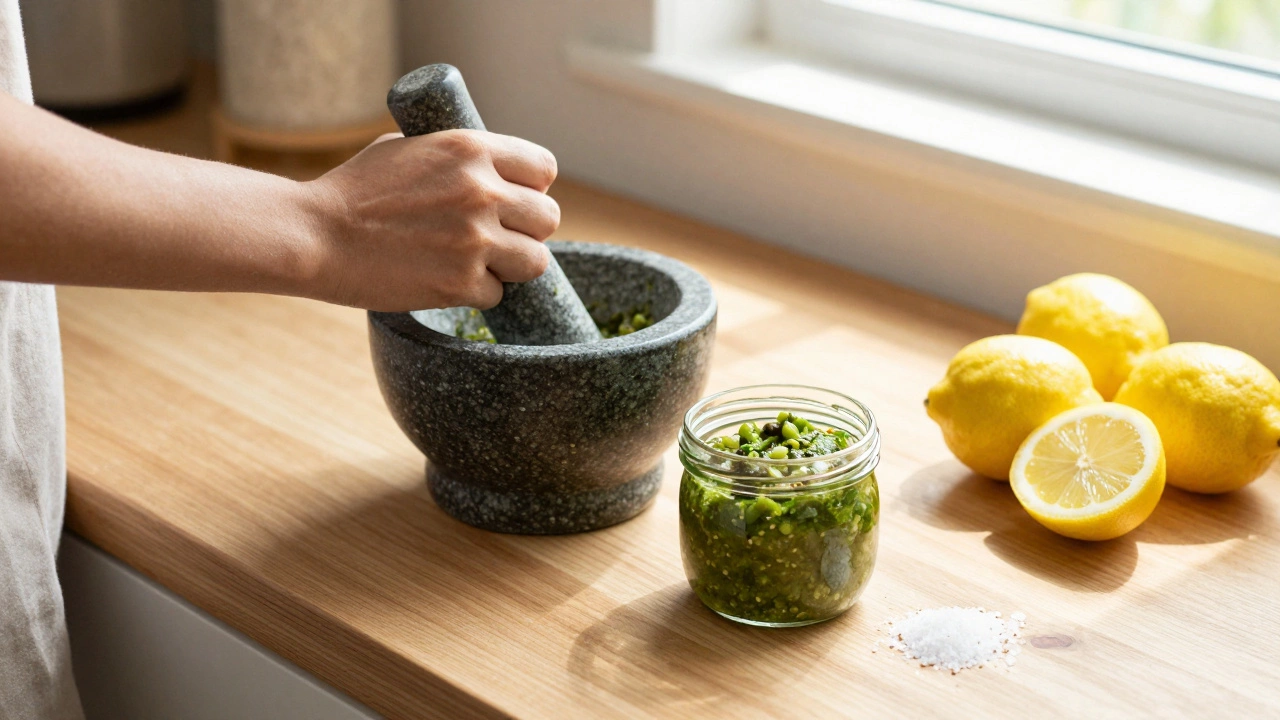
You don’t need a science lab to make chutney that supports your health. The simplest method involves blending fresh ingredients and letting them sit. Here is a basic framework for a probiotic-rich green chutney.
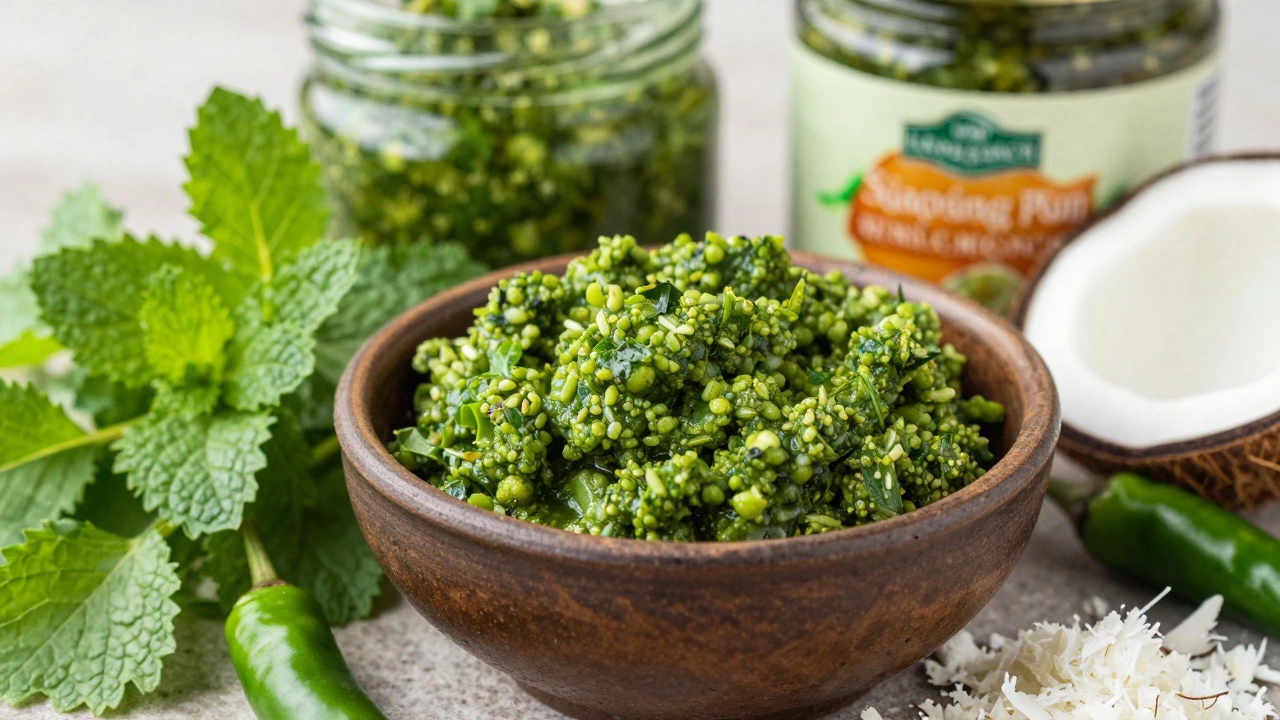
- Choose Fresh Base Ingredients: Use cilantro, mint, green chilies, and grated coconut. Ensure everything is organic if possible, as you won’t be cooking off pesticides.
- Add a Probiotic Starter: Mix in a tablespoon of plain, unsweetened yogurt or a teaspoon of whey (liquid from strained yogurt). This introduces Lactobacillus bacteria immediately.
- Season Minimally: Add sea salt and lemon juice. Avoid sugar. Salt acts as a preservative and helps draw out moisture, creating an environment where good bacteria thrive.
- Blend and Age: Blend until smooth. Store in a glass jar in the refrigerator. Consume within 3-5 days. The longer it sits, the more sour it becomes due to fermentation.
For a non-dairy version, use a splash of coconut aminos or just rely on the natural fermentation of the vegetables over 24 hours at room temperature before refrigerating. This creates a wild culture of beneficial microbes.
Incorporating Chutney into a Gut-Healing Diet
To maximize the benefits, treat chutney as a functional supplement, not just a side dish. Start small. If you are new to fermented foods, begin with one teaspoon per day. Your gut needs time to adjust to the influx of new bacteria and fibers. Gradually increase to one or two tablespoons daily.
Pair your chutney with low-fiber, easy-to-digest meals initially. As your tolerance builds, you can enjoy it with high-fiber foods like legumes and whole grains. The combination of the prebiotic fiber in the grains and the probiotics in the chutney creates a synergistic effect known as synbiotics, which is ideal for long-term gut health.
Remember, consistency is key. Occasional consumption provides temporary relief, but regular intake helps maintain a diverse and resilient microbiome. A diverse microbiome is linked to better immunity, improved mood, and even healthier skin. By swapping your sugary, processed condiments for homemade, fermented chutneys, you take a small but powerful step toward better digestive health.