Why Sikhs Avoid Eggs
Many Sikhs avoid eggs because they follow a Sikh dietary code, a set of guidelines rooted in spiritual discipline and purity, not just personal preference. This practice is tied to the broader concept of Jhatka meat, the method of slaughtering animals in one swift cut, which is the only form of meat permitted in some Sikh communities. Eggs, being an animal product that can contain life, fall outside this defined category—making them ambiguous under the principle of avoiding harm and maintaining physical and spiritual cleanliness.
While Sikhism doesn’t have a single central authority dictating every food rule, the Akal Takht, the highest temporal seat of Sikh authority, has historically advised against consuming eggs for those who follow the Khalsa code. This isn’t a universal rule for all Sikhs—some do eat eggs—but for those committed to the Khalsa tradition, avoiding eggs is part of a larger commitment to simplicity, non-violence, and mindfulness in what they consume. It’s not about banning food—it’s about choosing what aligns with a life of discipline. The same logic applies to alcohol, tobacco, and other intoxicants: if it clouds the mind or exploits life unnecessarily, it’s avoided.
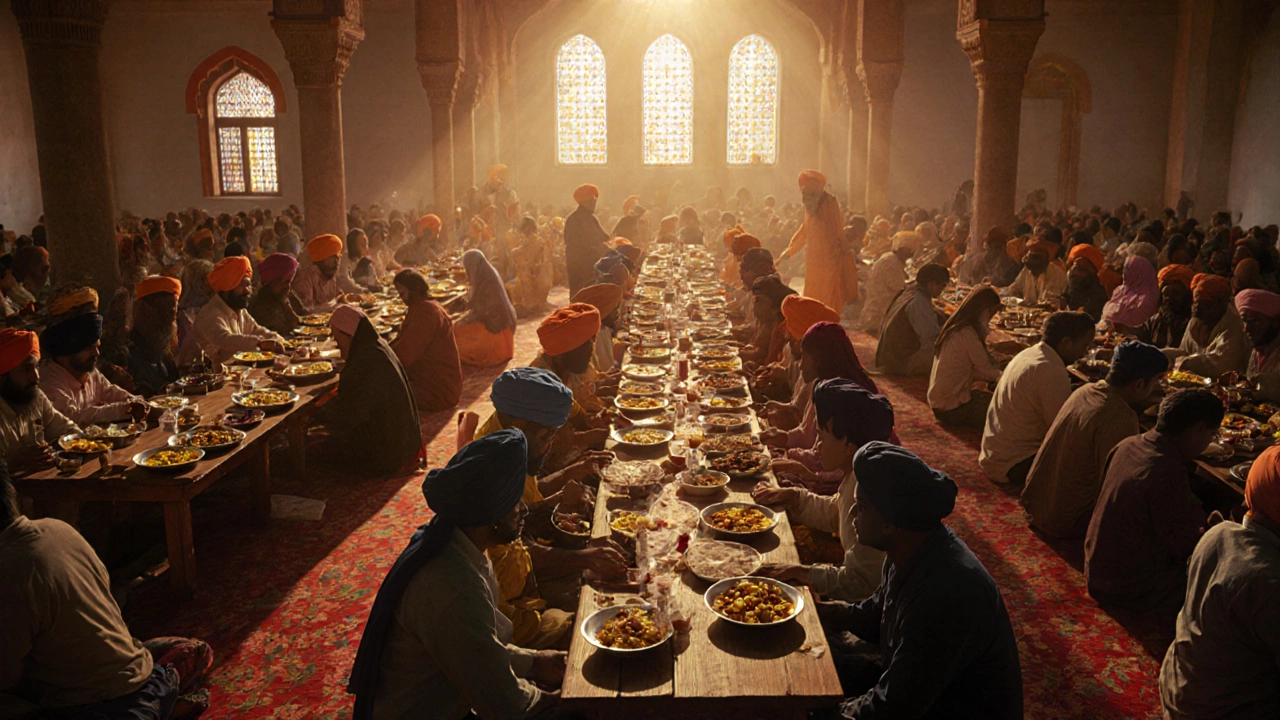
The connection between eggs and Sikh identity becomes clearer when you look at what’s encouraged instead. Langar, the community kitchen found in every gurdwara, serves only vegetarian meals—no meat, no eggs, no fish—to ensure everyone, regardless of faith or background, can eat together. This practice reinforces equality and respect, and many Sikhs carry this principle into their homes. Even if you’re not religious, the reasoning makes sense: if you’re trying to live without causing avoidable suffering, eggs become a gray area. Are they fertilized? Are they taken from hens kept in poor conditions? These questions matter to those who eat with conscience.
What’s interesting is that this isn’t a rule written in scripture like the Guru Granth Sahib—it’s a cultural and ethical interpretation that evolved over centuries. Some Sikh families eat eggs without hesitation. Others, especially those raised in traditional households or who’ve taken Amrit Sanchar (the initiation into Khalsa), avoid them completely. It’s personal, but it’s also deeply tied to community identity. You’ll find this same pattern in other food choices: why some Sikhs avoid onions and garlic (believed to stimulate aggression), or why dairy is widely used (milk and ghee are seen as pure and nourishing).
If you’re curious about what Sikhs actually eat on a daily basis, you’ll find a lot of whole grains, lentils, vegetables, and dairy. Dishes like chana masala, dal, roti, and sarson ka saag are staples—not because they’re religiously required, but because they’re filling, affordable, and align with the values of simplicity and sustainability. The avoidance of eggs isn’t about restriction—it’s about alignment. It’s choosing a plate that reflects your beliefs, not just your appetite.
Below, you’ll find posts that explore related food practices in Indian culture—from why paneer is preferred over cheese, to how chutney fits into meals, to what makes biryani smell so good. These aren’t random recipes. They’re pieces of a larger story about how food, faith, and tradition shape what ends up on your plate.
Why Sikhs Avoid Eggs: Cultural and Religious Reasons Explained
Explains why many Sikhs avoid eggs, covering religious teachings, Langar tradition, regional variations, and practical cooking tips.