Unhealthy Street Food: What Makes Indian Street Eats Harmful and How to Spot the Risks
When you think of unhealthy street food, cheap, fried, and often poorly handled snacks sold on busy Indian streets. Also known as roadside munchies, it's the kind of food that smells amazing but leaves you wondering if it was worth it. This isn’t about banning street food—it’s about knowing what to watch out for. Many vendors serve delicious, fresh meals daily. But a shocking number use old oil, unclean water, or expired spices just to cut costs. And that’s where the real danger hides.
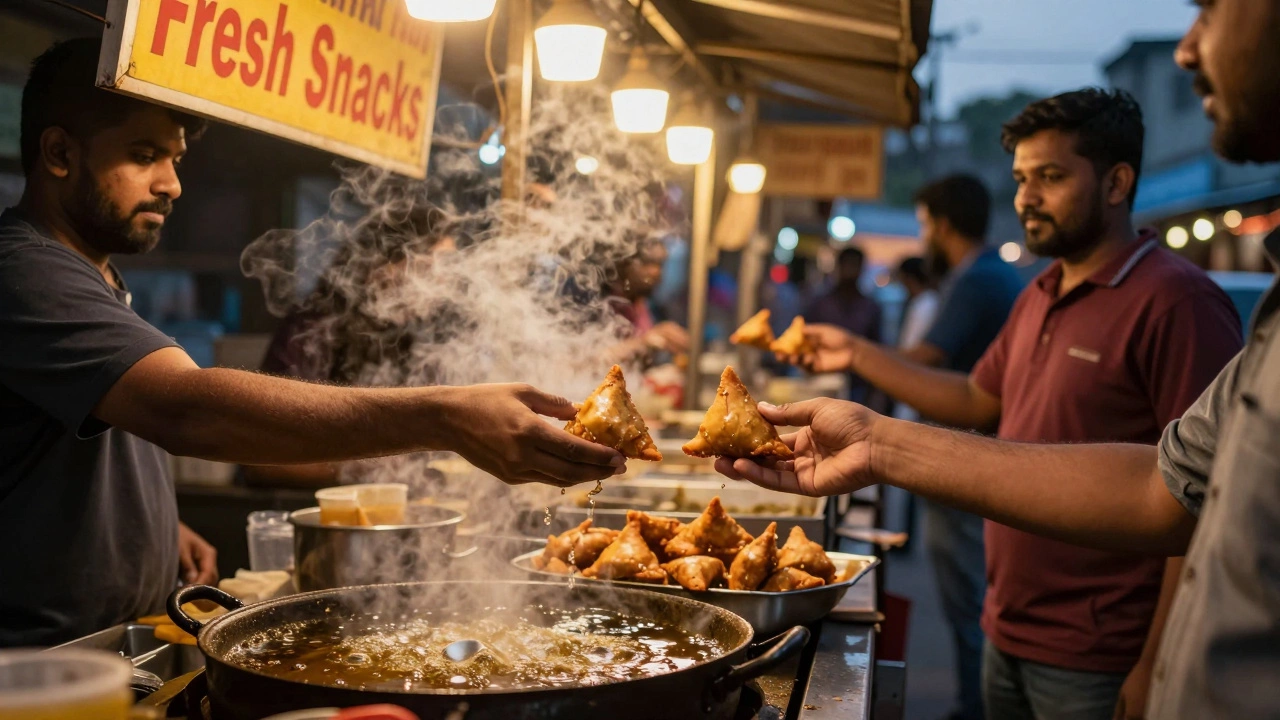
The biggest problem with fried snacks, like samosas, pakoras, and vada pav that are deep-fried in reused oil is the oil itself. Vendors often reuse the same oil for days, sometimes weeks. Each time it’s heated, it breaks down into harmful compounds like acrylamide and trans fats. These aren’t just empty calories—they’re linked to inflammation, liver stress, and long-term heart issues. Then there’s the water. Many vendors wash vegetables or mix batter with tap water that hasn’t been boiled or filtered. In cities like Delhi or Mumbai, that water can carry E. coli, giardia, or hepatitis A. One bite of a contaminated chole bhature can land you in bed for days.
food safety, the practices that prevent contamination during food handling and preparation is rarely enforced at small stalls. No one checks if the vendor washed their hands after handling cash or touching raw meat. No one tests if the chicken in the tandoor was stored at safe temperatures. And let’s not forget the sugar in sweet treats—some jalebis are soaked in syrup that’s been sitting out for hours, attracting flies and bacteria. Even the spices? Some are stored in open sacks, exposed to dust, cockroaches, and moisture that breeds mold.
It’s not all doom and gloom. You can still enjoy street food safely if you know what to look for. A busy stall means high turnover—food is fresh. Clear oil? Good sign. Vendors who use gloves or tongs? Even better. Look for stalls that fry in small batches and serve food hot off the pan. Avoid anything sitting under a fly trap or covered in plastic wrap that’s been reused. And skip the drinks unless they’re sealed or served from a fresh jug.
This collection of posts doesn’t just warn you—it helps you make smarter choices. You’ll find out why over-fermented dosa batter can be risky, how to tell if your tandoori chicken is safe for your stomach, and what hidden ingredients in biryani might be doing more harm than good. You’ll learn how to spot spoiled ingredients, understand what makes certain snacks inflammatory, and discover which traditional foods are actually safer than they look. This isn’t about giving up street food. It’s about eating it with your eyes open.
What Is the Most Unhealthy Indian Food? Hidden Dangers in Popular Dishes
Some Indian dishes are loaded with fried ingredients, cream, sugar, and refined flour. Learn which ones are the unhealthiest and how to enjoy Indian food without the guilt.