Turmeric: The Golden Spice Behind Indian Curries, Healing, and Daily Cooking
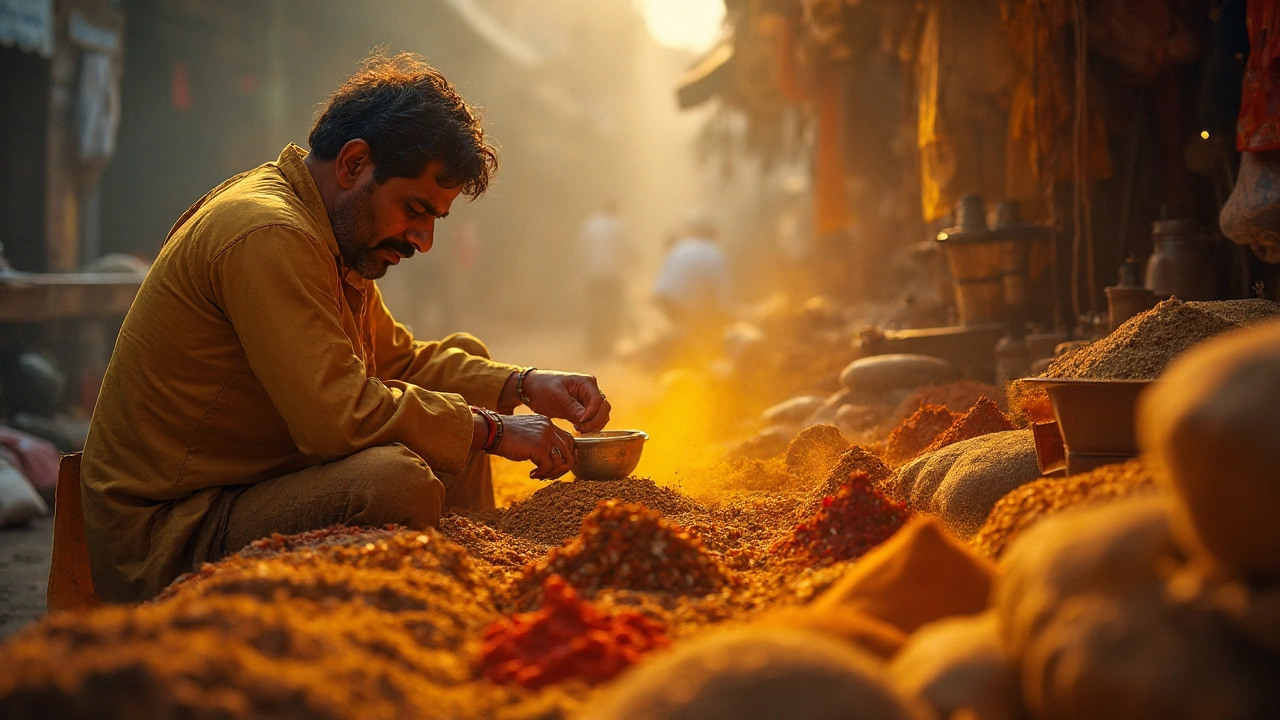
When you think of Indian cooking, one color comes to mind—turmeric, a bright yellow root spice native to Southeast Asia and the backbone of countless Indian dishes. Also known as haldi, it’s not just for color—it’s the flavor foundation of curries, the secret behind golden milk, and a centuries-old remedy used in homes across India. You’ll find it in every spice rack, from Mumbai kitchens to rural Punjab villages. It’s added to rice, lentils, soups, and even tea—not because it’s trendy, but because it works.
Turmeric doesn’t work alone. It teams up with black pepper, a common companion that boosts turmeric’s absorption by up to 2,000%. That’s why every authentic Indian recipe calls for both. The active compound in turmeric, curcumin, a natural anti-inflammatory and antioxidant, is what makes it valuable beyond the plate. People in India have used it for wound healing, digestion, and joint pain long before labs started studying it. You don’t need supplements—just a pinch in your dal or curry gives you the same benefit.
Look at the recipes on this site. Turmeric shows up in biryani for color and depth, in tandoori chicken for that signature hue, and even in homemade paneer to give the cheese a warm glow. It’s in the chutneys, the rice dishes, the spice blends that make Indian food taste like home. It’s not just a spice—it’s a cultural marker. When you taste a dish with turmeric, you’re tasting tradition.
And it’s not just about flavor or tradition. If you’ve ever wondered why Indian meals feel so grounding, part of the answer lies in turmeric. It’s gentle on the stomach, helps with bloating, and adds a layer of warmth without heat. Unlike chili, which burns, turmeric soothes. That’s why it’s added to morning drinks, bedtime teas, and even baby food in some households.
What you’ll find in the posts below isn’t just a list of recipes. It’s a look at how turmeric lives in Indian kitchens—how it’s used, why it’s paired with certain ingredients, and how it transforms simple meals into something healing and memorable. Whether you’re making chicken curry, dosa, or just trying to understand why your rice looks golden, the answers are here.
What Is the Key Ingredient in Curry? The Masala Behind Real Curry Flavor
There isn’t one magic spice. The heart of curry is a balanced masala-aromatics plus spices, usually led by turmeric. Learn what to buy, how to build it, and fix common issues.