Spices for Curry: Essential Flavors and How to Use Them
When you think of spices for curry, a blend of aromatic, earthy, and warm ingredients that form the foundation of Indian cooking. Also known as curry spice blend, it’s not a single powder—it’s a carefully layered combination that transforms simple ingredients into something unforgettable. This isn’t about tossing in a pre-mixed packet from the shelf. Real flavor comes from knowing what each spice does, when to add it, and how to balance them.
cumin, a nutty, earthy seed that gives curry its base warmth hits the pan first, sizzles in oil, and releases its aroma. Then comes coriander, a citrusy, slightly sweet ground spice that softens the heat and adds depth. Turmeric? It’s not just for color—it brings a mild bitterness and anti-inflammatory punch. And mustard seeds, tiny but loud, that pop in hot oil to start a flavor explosion—they’re the secret in many South Indian curries. These aren’t optional extras. They’re the backbone.
People often confuse curry powder with curry spices. Curry powder is a Western shortcut—blended, dried, and often stale. Real Indian kitchens use whole spices, toasted fresh, ground as needed. That’s why your homemade curry doesn’t taste like restaurant food? You’re missing the timing. Add garam masala at the end, not the start. Let the onions caramelize before you touch the spices. A pinch of asafoetida (hing) can turn a flat curry into something that smells like your grandmother’s kitchen.
And don’t forget the supporting cast: fenugreek for bitterness, red chili for heat, cardamom for sweetness, and cloves for that deep, almost medicinal warmth. These aren’t just ingredients—they’re tools. Each one controls a different note in the flavor symphony. Too much turmeric? Bitter. Too little cumin? Flat. Get the balance right, and your curry doesn’t just taste good—it lingers in your memory.
You’ll find posts here that break down exactly which spices go into chicken curry, how to make biryani smell like it came from a street vendor in Lucknow, and why some curries need toasted cumin while others need raw. There’s no magic trick—just the right spice, in the right order, at the right time. Whether you’re making a simple weeknight curry or aiming for restaurant-level depth, the answer starts with understanding these core spices. What you’re about to read isn’t theory. It’s what works—tested, repeated, and trusted by home cooks who know the difference between a good curry and a great one.
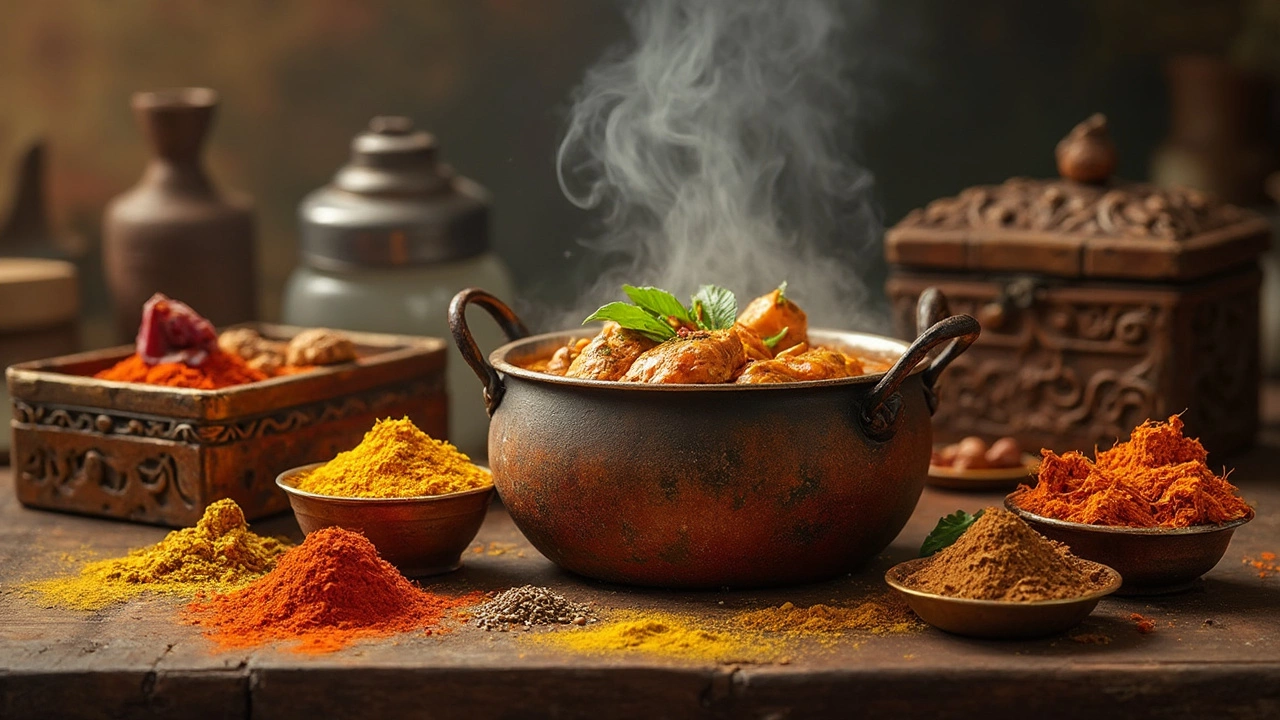
Best Spices for Chicken Curry: Elevate Your Dish
Discover which spices can transform your chicken curry from ordinary to extraordinary. This guide highlights essential spices, from turmeric to cardamom, that bring authentic flavors to your dish. Learn how to balance spices and explore their roles in creating a delightful curry. With helpful tips and interesting facts, you'll be ready to cook up a flavorful storm in the kitchen.