Spice Tips: Master Indian Flavors with Proven Techniques
When you think of Indian spices, a vibrant mix of ground seeds, roots, and dried fruits used to build deep, layered flavors in Indian cooking. Also known as masalas, they’re not just seasoning—they’re the soul of the dish. Too many people treat them like a one-size-fits-all powder, but that’s where things go wrong. The real magic happens when you understand how each spice behaves—when to toast it, when to add it, and how much to use. A pinch of cumin seeds fried in hot oil releases a nutty aroma that’s nothing like ground cumin stirred in at the end. Same with cardamom: whole pods simmered in milk give you perfume; ground cardamom in a curry gives you earthiness. These aren’t just differences—they’re transformations.
That’s why spice blending, the art of combining spices in specific ratios to create balanced, complex flavors matters more than buying fancy pre-mixed powders. Most store-bought curry powder is flat because it’s been sitting on a shelf for years. Freshly ground coriander, toasted cumin, and crushed black peppercorns? That’s a different world. And then there’s curry spices, the core group of spices—turmeric, cumin, coriander, chili—that form the base of most Indian curries. They’re not optional. Skip one, and the whole structure collapses. But here’s the secret: it’s not about adding more. It’s about timing. Add turmeric too late? It tastes bitter. Add chili powder before the onions are soft? It burns and turns bitter. The best cooks don’t just know what to add—they know exactly when to add it.
And don’t forget the supporting players. Fennel seeds calm heat. Asafoetida (hing) adds umami depth without garlic or onion. Mustard seeds pop when they hit hot oil, giving that signature crunch and bite. These aren’t extras—they’re the hidden hands behind the flavor. You’ll find all of this in the posts below: how to fix a bland curry, why your biryani smells like nothing, what replaces garam masala when you’re out, and how to store spices so they don’t go stale before you even open the jar. No fluff. No theory. Just what works, tested in real kitchens. Whether you’re making your first dal or trying to replicate your favorite restaurant’s tandoori chicken, these spice tips will change how you cook—every single time.
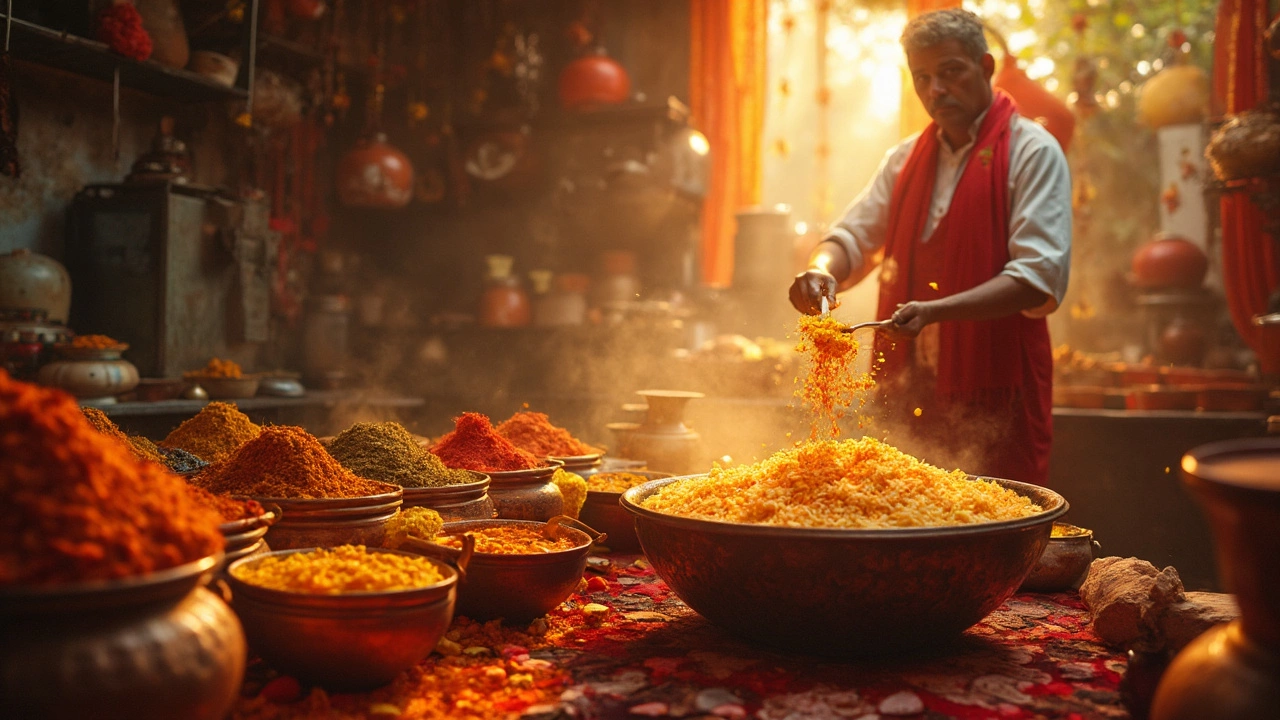
Why Does My Biryani Taste Bland? Spice Up Your Recipe Now!
Ever wondered why your biryani lacks that punch of flavor? This article explores the common mistakes that lead to bland biryani and offers practical solutions to spice up your dish. Learn about essential spices, cooking techniques, and the importance of proper marination. With a few tweaks, make your biryani burst with taste and aroma.