Soft Paneer: How to Make It, Use It, and Why It Matters in Indian Cooking
When you think of soft paneer, a fresh, non-melting Indian cheese made by curdling milk with lemon juice or vinegar. Also known as Indian cottage cheese, it’s the quiet hero behind dishes like palak paneer, paneer butter masala, and even sweet rabdi. Unlike cheddar or mozzarella, paneer doesn’t melt—it holds its shape, soaking up spices while staying tender and slightly springy. That’s why it’s the go-to protein for vegetarians across India, and why getting it soft makes all the difference.
What makes paneer soft isn’t just the milk—it’s the technique. If you press it too hard or for too long, you end up with a rubbery block that fights back when you bite into it. Real soft paneer is barely pressed at all, just enough to remove excess water without squeezing out the moisture that gives it that melt-in-your-mouth feel. It’s made with full-fat milk, not skim, and the acid—whether lemon juice, yogurt, or vinegar—has to be added slowly. Too much acid too fast? You get grainy, crumbly curds. Too little? Your paneer won’t set. And here’s the thing: if you’re buying it, most store-bought paneer is over-pressed and dry. That’s why so many home cooks swear by making it themselves.
Soft paneer doesn’t just sit in curries. It’s fried in spicy coatings for paneer tikka, stuffed into parathas, soaked in sweet syrup for rasgulla, or even blended into creamy sauces. It pairs with everything: the tang of tomato gravy, the earthiness of spinach, the warmth of garam masala. And if you’re out of paneer? You can swap it with halloumi or queso blanco—but only if you’re okay with a slightly saltier or firmer texture. Nothing else behaves quite like it.
That’s why this collection of posts dives deep into everything around soft paneer: how to make it at home without a fancy press, why lemon juice turns milk into cheese, what to use when you can’t find paneer, and how to keep it from turning tough in your curry. You’ll find answers to the little frustrations—like why your paneer gets rubbery in the pan, or why some recipes call for soaking it in warm water. There’s no fluff here, just real fixes and real recipes from people who cook this every day.
Whether you’re new to Indian cooking or just tired of dry paneer, what follows is everything you need to get it right—the science, the shortcuts, the swaps, and the simple tricks that turn good paneer into great paneer.

Why Does Homemade Paneer Turn Out Crumbly? Solutions & Tips for Creamy Paneer
Is your homemade paneer always crumbly? Learn why this happens and how to fix it with tips for making smooth, creamy, restaurant-style paneer at home.
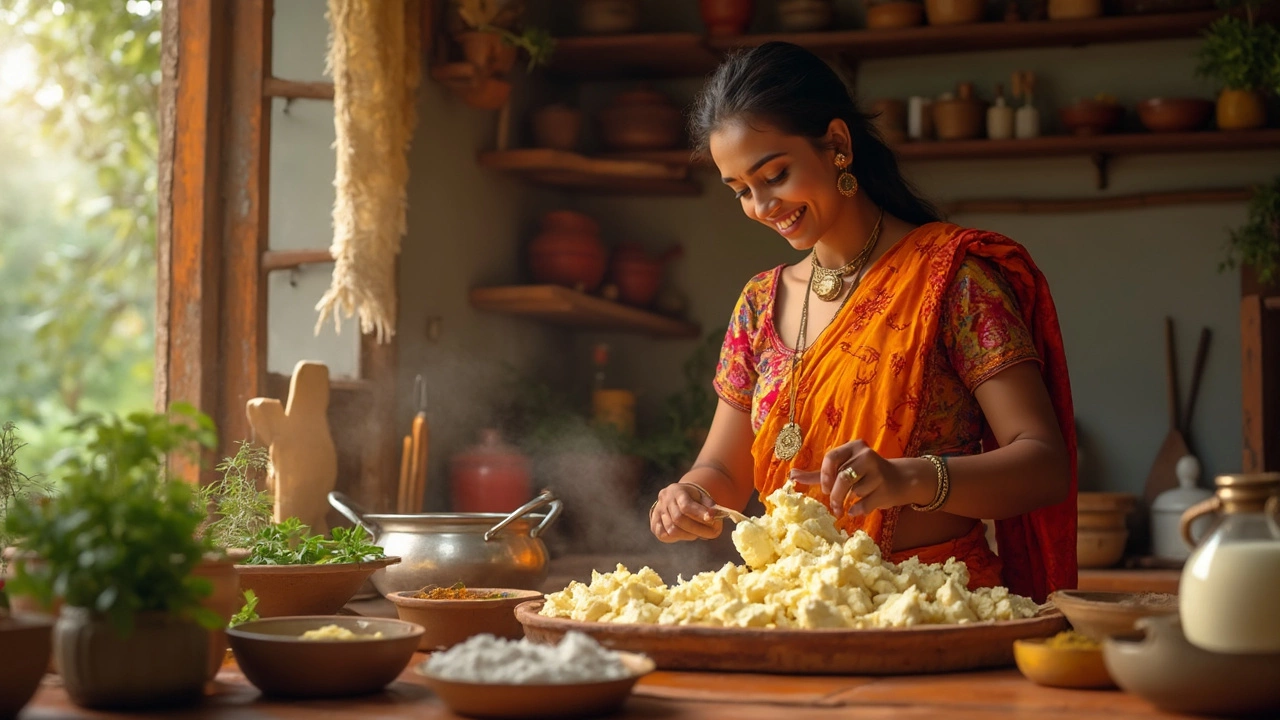
How to Make Costco Paneer Soft: Simple Tricks That Actually Work
Struggling with tough or rubbery Costco paneer? This article spills the beans on why store-bought paneer tends to get firm and exactly what you can do at home to make it soft and creamy again. Get simple kitchen hacks, some surprising science, and ways to keep your paneer tasting fresh a whole lot longer. No fancy chef skills needed—just a little insider know-how. You’ll even get tips on storing and reheating paneer for weekday use.