Roti Making: How to Get Perfect Puffy Roti Every Time
When you're making roti, a simple, unleavened flatbread from India made with whole wheat flour, water, and a pinch of salt. Also known as chapati, it's the backbone of countless meals across the country—from spicy curries to dal and pickles. But if your roti comes out flat and tough, it’s not the flour. It’s the technique.
Getting roti to puff up isn’t luck. It’s heat, pressure, and timing. The dough needs to rest just right—not too long, not too short. The rolling has to be even, not too thin in the middle. And the tawa or skillet? It has to be hot enough to create steam inside the dough, but not so hot it burns before the air expands. Many people skip the key step: letting the rolled roti sit for 30 seconds before cooking. That pause lets the gluten relax, so the steam can push through evenly. If you’ve ever wondered why your roti looks like a pancake instead of a balloon, it’s probably because you’re rushing.
Related to roti making is the tawa, a flat, heavy griddle used across India for cooking breads and pancakes. A cast iron tawa holds heat better than non-stick, which means more consistent puffing. Then there’s the dough, the foundation of all Indian flatbreads, made from atta (whole wheat flour) and water. The kneading matters—10 minutes of firm, rhythmic pressure develops the gluten that traps steam. Too little, and the roti stays flat. Too much, and it gets chewy.
You’ll find roti in almost every Indian home, but how it’s made varies by region. In the north, it’s thicker and softer. In the south, it’s often thinner and cooked with a bit of oil. Some families add a drop of oil to the dough for extra softness. Others swear by a sprinkle of rice flour on the rolling surface to prevent sticking. None of these are wrong. But the core rules? Heat, even thickness, and patience. Skip any one, and your roti pays the price.
Below, you’ll find real fixes from people who’ve been there—the seven most common mistakes that turn roti into cardboard, the exact temperature to set your stove, how to tell when your tawa is ready, and why your fingers might be the secret tool you’re not using. No fancy gadgets. No expensive ingredients. Just the simple, proven steps that turn flat roti into that perfect, airy, puffing bread everyone remembers from their grandmother’s kitchen.
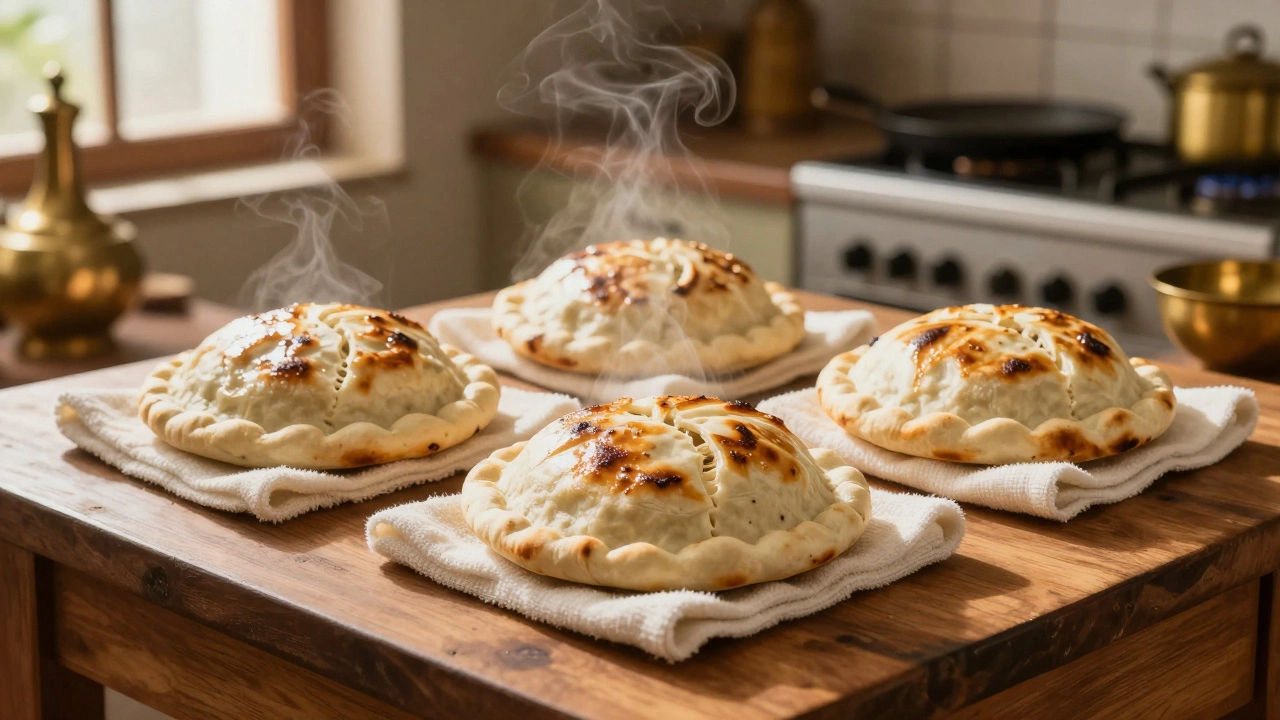
How to Prevent Roti from Getting Soggy: 7 Proven Tips
Learn how to keep roti soft and fresh for hours without sogginess. These 7 simple tips-based on traditional Indian kitchen methods-solve the most common roti storage problems.

Soft Chapatis: The Secret to Perfect Roti Every Time
Ever wondered why some chapatis are soft and puff up just right, while others turn out dry and tough? This article breaks down the real secrets behind getting perfectly soft chapatis, from flour choice to kneading tricks. Get practical steps and insights that actually work in a home kitchen, and clear up common roti myths. No guesswork, just real advice you can use today. Making soft chapatis isn’t as complicated as people make it sound—here’s what you need to know.

How to Keep Your Roti Soft and Fresh: Top Tips Revealed
Roti, a staple in many households, often becomes hard and unappetizing by the next day if not stored properly. Discover practical tips and tricks on how to preserve your roti’s softness and freshness. From understanding why rotis harden to exploring various methods for preparation and storage, this guide covers all you need to enjoy tender rotis even after 24 hours. Transform your cooking habits with these easy-to-follow steps and relish soft rotis with every meal.