Popular Indian Food: Must-Try Dishes, Secrets, and Simple Swaps
When people talk about popular Indian food, a vibrant, spice-driven cuisine rooted in regional traditions and home-cooked wisdom. Also known as Indian cuisine, it’s not just curry and rice—it’s a whole world of textures, aromas, and techniques that turn simple ingredients into unforgettable meals. Think of the slow-steamed rice in biryani, the smoky char on tandoori chicken, or the tangy bite of fresh chutney beside a hot roti. These aren’t random dishes—they’re the result of generations of smart cooking, passed down in kitchens across India.
What makes biryani, a layered rice dish cooked with spices, meat, and herbs, often sealed and steamed to lock in flavor so special isn’t just the spices—it’s the timing. Too long in the oven and the rice turns mushy. Too short and it’s raw. The secret smell? It’s not curry powder. It’s saffron, kewra water, and slow-cooked onions. And if you’ve ever wondered why your roti won’t puff, it’s not the flour—it’s your heat, your rolling, or how long you let the dough rest. Same with tandoori chicken, marinated in yogurt and spices, then cooked in a clay oven for that signature red color and juicy texture. That bright red? It’s Kashmiri chili powder, not food dye. And if you’re out of paneer, you don’t need to run to the store—halloumi or queso blanco can work if you know how to handle them.
Popular Indian food isn’t just about the main dish. It’s the sides that make it complete. Raita cools down the spice. Naan soaks up the sauce. Chutney adds a punch of sweet, sour, and heat all at once. And if you’ve ever tried to replace chutney with ketchup or salsa, you know it’s not the same. Real chutney is fresh, made daily, and tailored to the dish. But if you’re out of it, mango salsa or spiced apple butter can step in—just not as a substitute, but as a cousin.
And yes, there’s a reason some Indian sweets cost more than gold. A Moti Chur Laddoo with edible gold leaf isn’t just dessert—it’s a cultural artifact. But you don’t need luxury to enjoy Indian food. The healthiest choices? Tandoori chicken, dal tadka, chana masala. Skip the creamy kormas, avoid the fried snacks, and you’re already ahead. Even rice water—yes, the water you rinse rice in—has a role in weight management, if you know how to use it.
From the crispiness of a dosa fried in coconut oil to the science behind lemon juice turning milk into paneer, popular Indian food is full of small, smart tricks that make big differences. You don’t need fancy equipment. Just a good stove, some patience, and the willingness to learn why things work the way they do. Below, you’ll find real answers to real cooking problems—how to fix flat roti, what makes biryani smell like heaven, which cheese works instead of paneer, and why your chicken might be leaking liquid before you even cook it. No guesses. No fluff. Just what works.
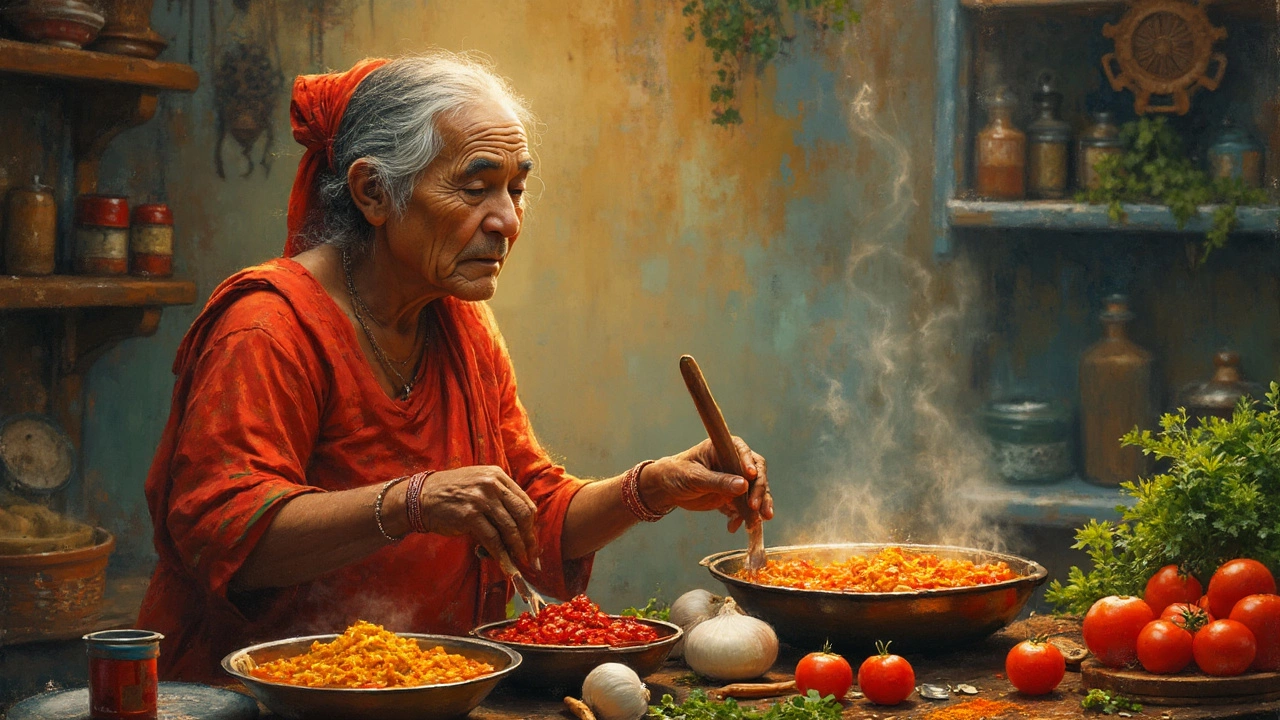
What's the Most Ordered Vegetarian Dish in India?
Indian cuisine offers a wide range of delicious vegetarian dishes, and one stands out as the most ordered across the country. This article explores the factors contributing to the popularity of this beloved dish, its unique ingredients, and its cultural significance. Whether you're a seasoned lover of Indian food or a curious newcomer, you'll find valuable insights into what makes this dish so irresistible. Additionally, discover some easy tips to try making it at home.